



Table of Contents
Author | Jaime RamosThe fully realized smart city ideal offers a tool that goes beyond the advanced use of technology to improve the life of its citizens: the capacity to enable citizens to have a say not just in matters related to public affairs, but the city’s own urban organization.
The future of urban planning
One of the finest examples of this democratic instrument is the possibility of being involved in the urban planning process. A process which, traditionally, has not included the average citizen. Neighborhood associations and related groups have fought in recent years for the voices of the people to be heard.Despite this and the fact that regulations now establish some formulas for engagement (such as social councils in cities), local authorities have the last word in terms of urban design and street furniture. Smart cities aims to overthrow this model. In terms of urban design, the future of urban planning goes beyond simply listening to citizens, to actually place them at the center of all strategies.
Setting an example in participative urban planning
The capital of the state of Utah, Salt Lake City, has around 200,000 inhabitants in its historic center and it seeks to establish a precedent in the area of smart urban planning. In fact, the project has begun by revolutionizing the classic street typologies applied in this area. Until now, there were three types of roads in the United States:
- Arterial.
- Collectors or distributors.
- Local.
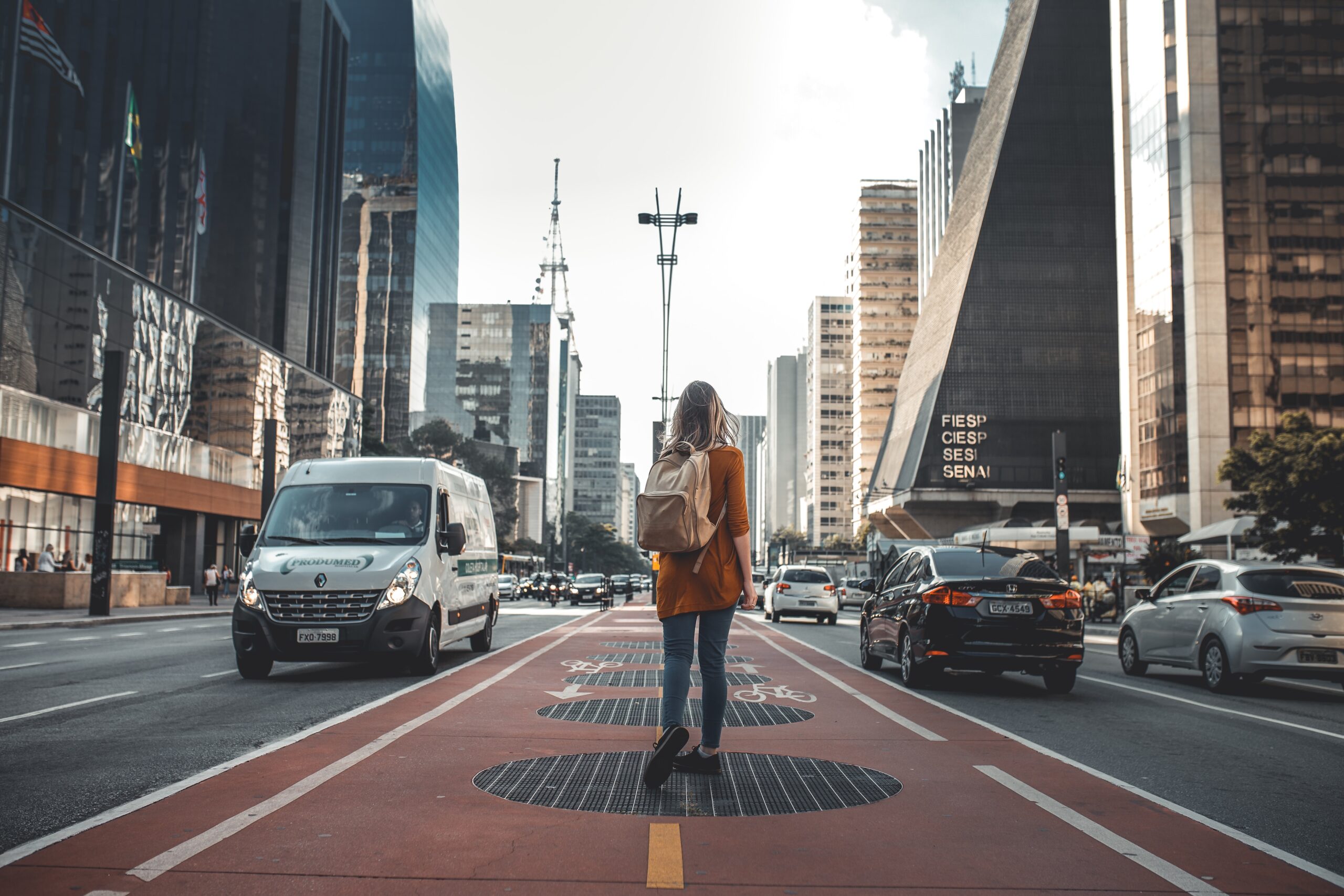
This model shared by many major cities, is based on facilitating the flow of traffic in the city. The system is also responsible for the Cartesian layouts that exist in so many major cities across the country. Now, well into the 21st century, the aim is to steal the leading role away from cars.
Salt Lake City’s smart urban planning project
Citizens have a real say in this task. Salt Lake City launched a survey last Autumn, which defined up to 15 types of roads, based on the different urban functionalities. This not only enables greater engagement, but also opens the door to customized urban planning designs.The new typologies are applied to over 8,400 roads in the center and they are included in a guide with real models made public by the authorities. To create these, five factors regarding public use spaces were taken into account:
- Personal mobility, in terms of pedestrians, bikes and PMVs.
- Mobility of other vehicles.
- The environment (greening), relating to minimum sustainability requirements and green spaces.
- That is, the concept of a street as a social activity and not just as a walking exercise.
- Use of sidewalks.
Citizen contributions
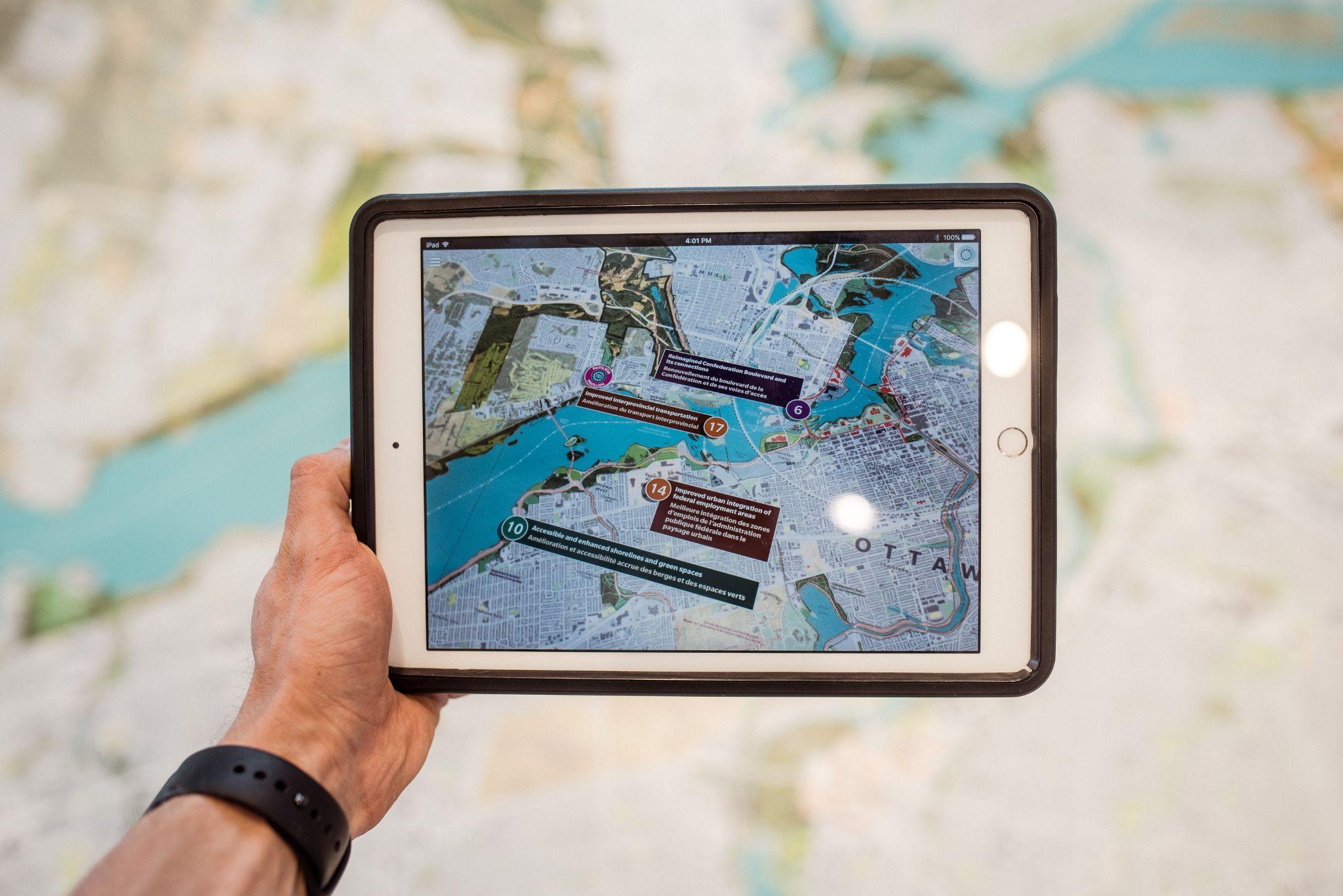
In a subsequent chapter, the citizens of Salt Lake City have finalized the 15 types of streets and, in general, the guide, providing more feedback through the enabled web platform. In order to make it more accessible, it offers a map, which distinguishes the type of streets according to a color code and in which comments can be added to each street. This way, urban planners gain valuable insights about its given or expected usage well before construction machinery starts rolling.After this phase, the authorities will draw up a final draft of the guide, the standards of which will be used by urban planners when the city’s next map is designed.
Towards a more humane and inclusive urban planning
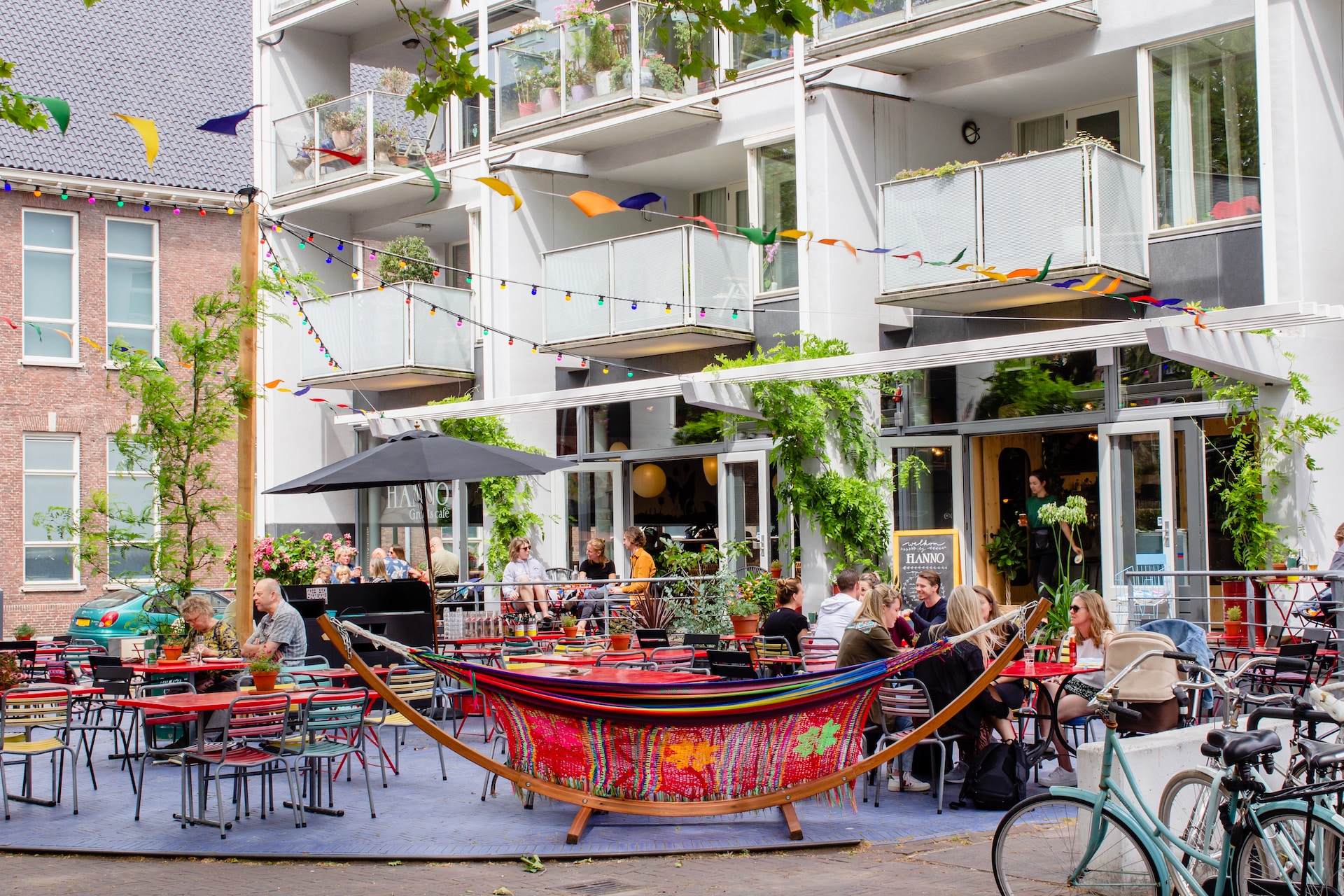
Citizen participation in matters of urban planning can push towards the development of streets and blocks far more accessible, taking into account both large collectives and also minorities, empowering stakeholders at all levels and reducing the dependence on simple statistics that may distort the full picture. These measures can be complemented with innovative projects such as Block by block, which allows citizens to create a basic digital twin using the popular videogame Minecraft.The basic needs of each city can drastically differ due to their soecieties, economies and preexisting circumstances. All in all, the most common reactions of the Salt Lake City inhabitants tend to demand more public space for people and less for vehicles.Images | Yhz1221 (CC BY-SA 3.0), Matt Milton, Padraic Ryan (CC BY-SA 3.0), Street & Intersection Typologies Design Guide,