



Table of Contents
Author | Jaime Ramos
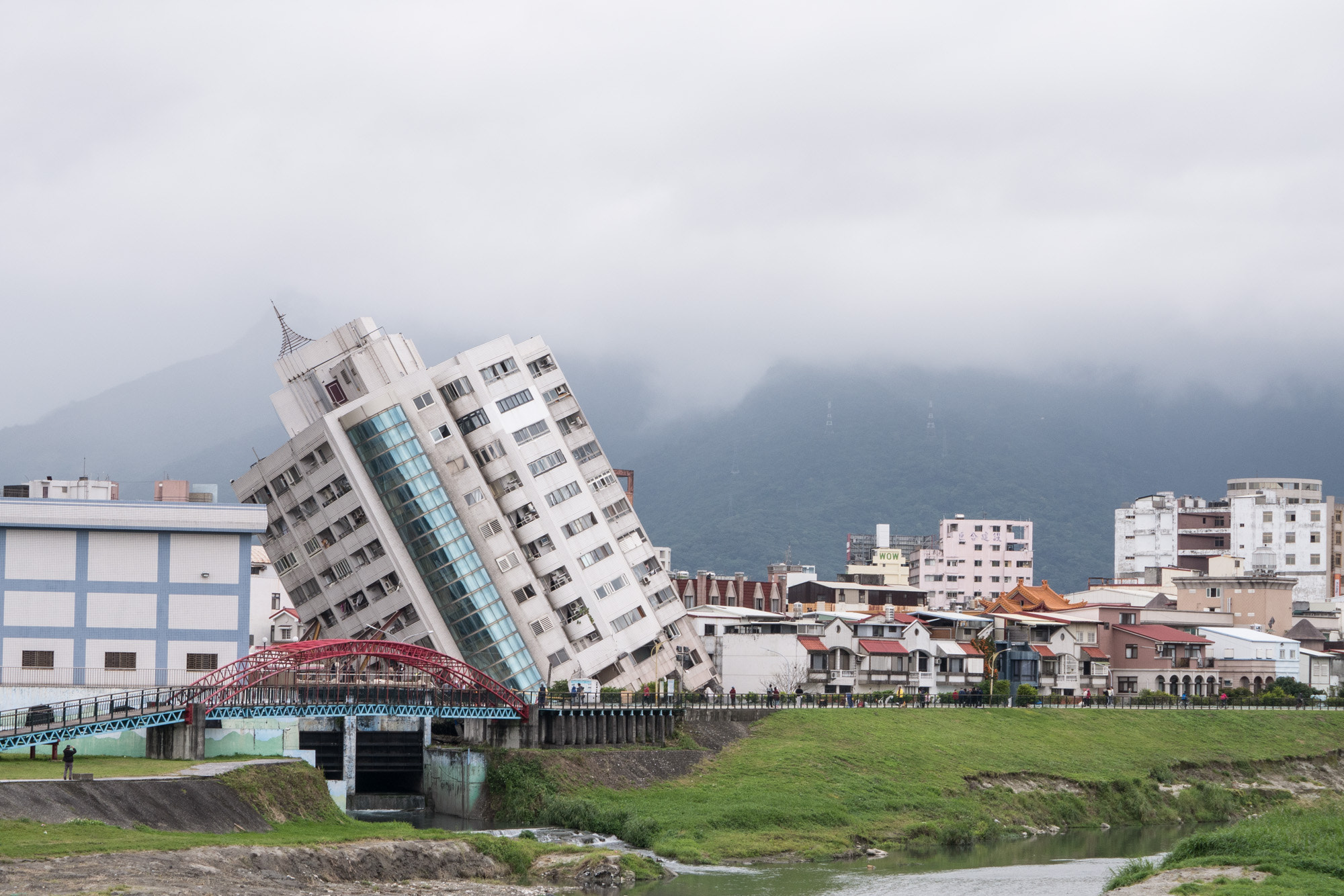
Surviving a natural disaster without damage could be considered the quintessence of urban resilience. Since the emergence of the polis, earthquakes have battered cities, without any chance of defending themselves. This has changed in recent decades.
Earthquakes have been a defining factor throughout history. For example, an earthquake so old that it dates back to 464 BC in the city of Sparta, is still famous and significant today. It shaped ancient Greek culture and the development of "urban democracy" in Athens.
What is seismic resilience and why is it important?
This defenselessness is not as devastating as in the past thanks to seismic resilience technologies. The importance of seismic resilience lies in the capacity of cities to reduce human casualties and economic costs.
It was in 2015 when we saw the most recent major turning point. It was then that the General Assembly of the United Nations endorsed a voluntary agreement to alleviate the effects of natural disasters.
The Sendai Framework sets out 50 measures aimed an unifying global criteria. Many are designed to take into account disastrous phenomena in urban planning, strengthen investments in new and more resistant infrastructures and foster retrofitting. In terms of earthquakes, the regions and cities that have suffered the most are those that have established the bases for resilience.
Japanese cities as a good example
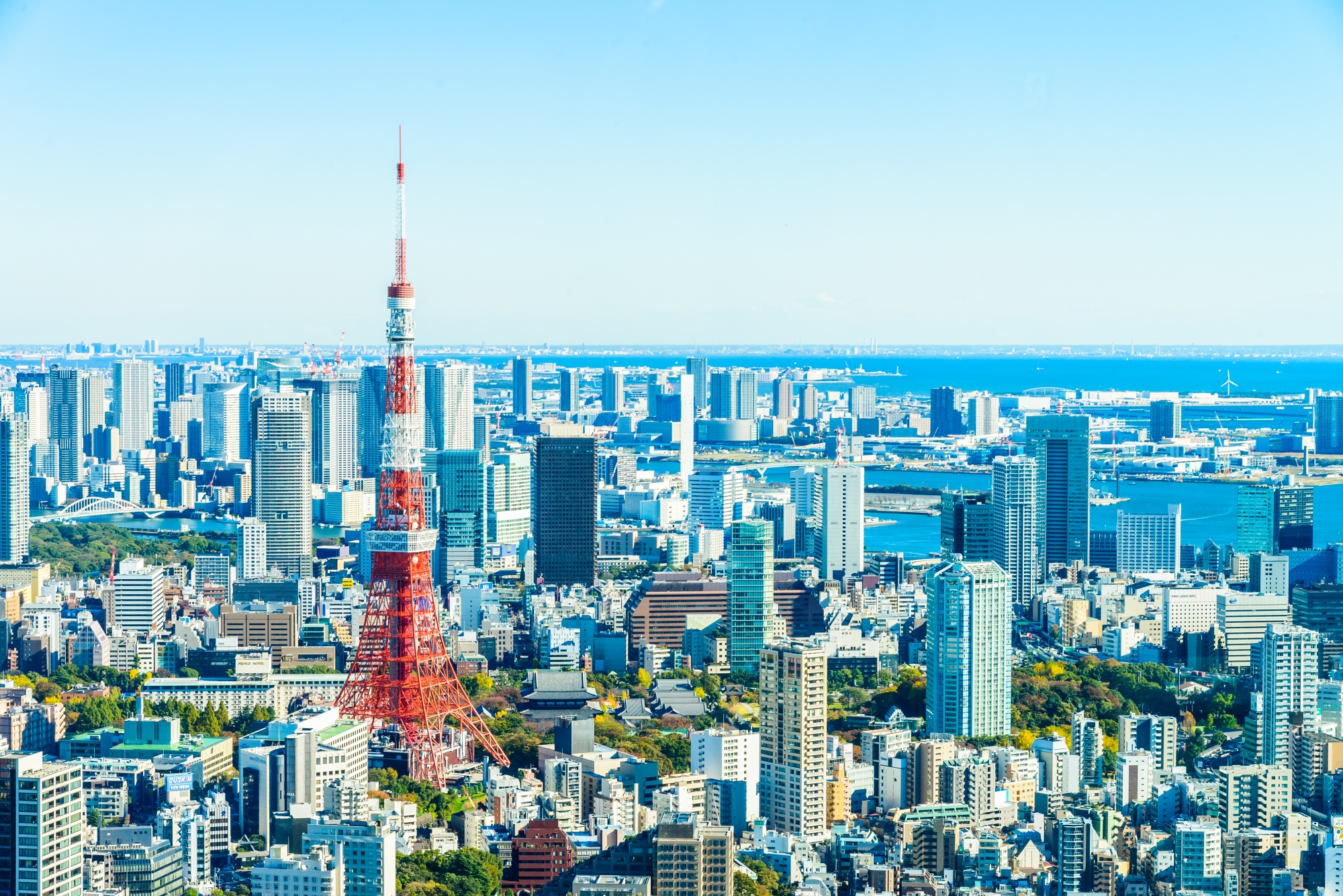
The geological position of the Japanese archipelago makes it one of the world’s most vulnerable points. Unsurprisingly, Japan records up to 5,000 tremors each year.
Thanks to the country’s historical efforts, Japan has managed to gradually reduce the number of earthquake fatalities. Cities such as Tokyo or Osaka are leading examples because they have developed a genuine infrastructure reinforcement plan at three levels known as Taishin, Seishin and Menshin. These can be briefly summarized in the design of building reinforcement, absorption and isolation models.
Seismic resilience in San Francisco
San Francisco is another city with an unfortunate history of earthquakes. Those that took place in 1906 and 1989 were significant chapters for the city. During the past decade, the Golden Gate city (the bridge collapsed in the 1906 earthquake and was rebuilt to withstand future seismic onslaughts) has implemented an urban resilience plan, with 100 specific strategies and which includes measures to reduce the impact of future earthquakes.
It has also taken into account the situation generated after the event, seeking to ensure the subsequent stability of communications and power; or economic support for the most badly affected communities.
The Wellington case
The city in New Zealand is another example of resilience. After the earthquake in 2011, in which 185 people died, the authorities strengthened their strategy, prioritizing retrofitting. Work has been conducted to preserve existing structures, analyzing gravitational loads and increasing their strength by changing elements that withstand lateral shaking, for example.
Lessons from Turkey
The recent earthquakes in Syria and Turkey have also served to boost seismic resilience. Of the more than 100,000 buildings affected by the earthquake in Turkey, authorities are analyzing the structures that had a better response to the tragedy. An example is the Adana City Hospital, which saw a 75% reduction in shaking thanks to its seismic isolation system.
Images | Wikimedia.commons/500px