



Table of Contents
Author | Lucía Burbano
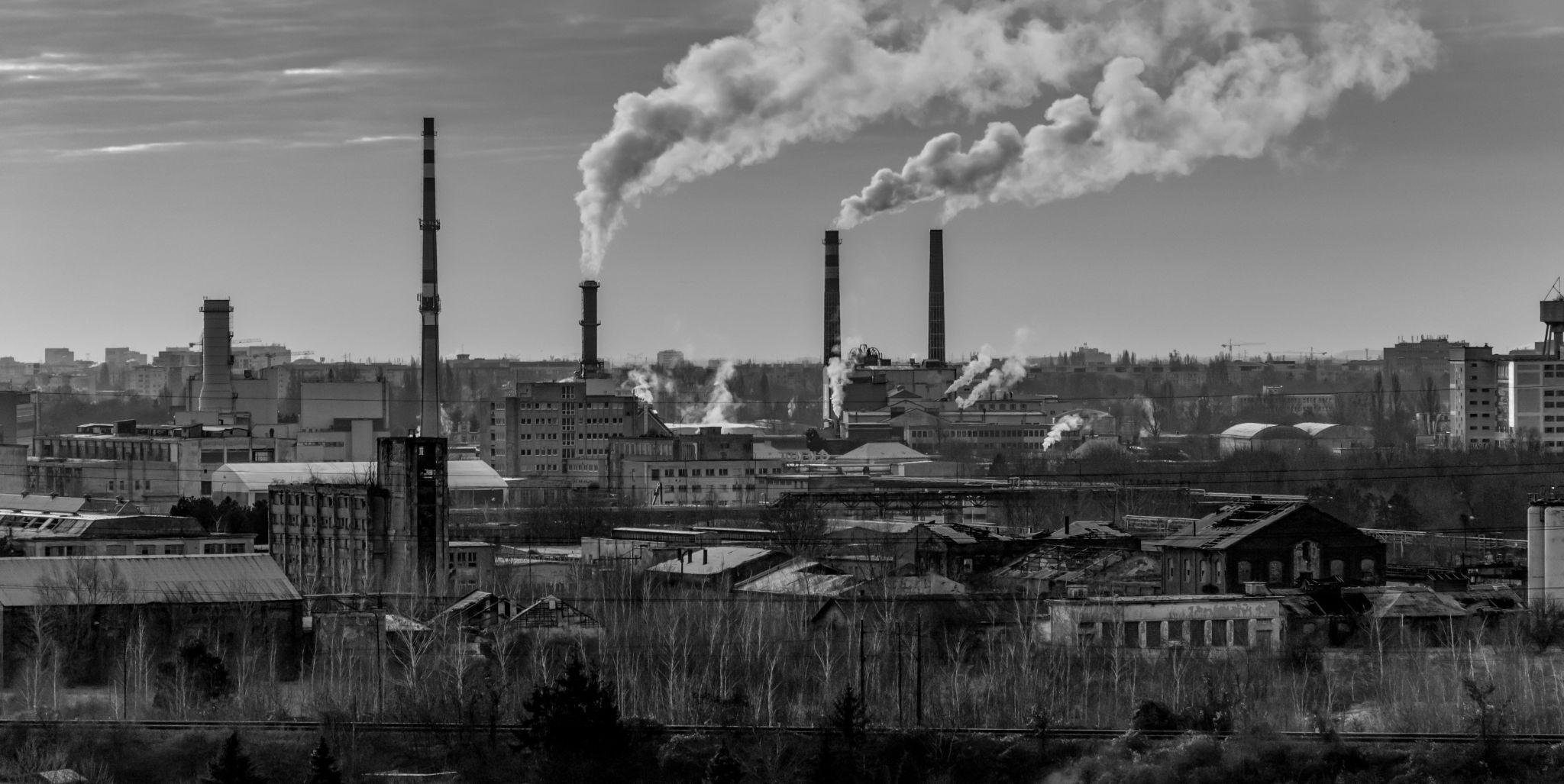
Cities represent almost two-thirds of the global energy demand, produce up to 50% of solid waste and are responsible for 70% of greenhouse gas emissions. Cities that include circular economy criteria in their municipal strategies not only benefit themselves but the planet as a whole.
Circular economies and smart cities
The Circular Economy in Cities report, published by the World Economic Forum, defines the circular economy as "an economic system that is based on business models that replace the ‘end-of-life’ concept with reducing, alternatively reusing, recycling and recovering materials in production/distribution and consumption processes, operating at a micro- and macro-economic level, with the aim of accomplishing sustainable development".
And what is the relationship of cities with the circular economy? Cities now generate over 80% of global GDP, with 56% of the global population living in cities. Cities also form a rich productive, residential, experimental and administrative ecosystem, which allows them to be the perfect testing bench to explore circular economy models.
Example of circular economy in cities

Lolland and Copenhagen, Denmark
Denmark is an interesting example of circular economy, and also balances living demands between rural and urban areas. In the rural area of Lolland, where the population is decreasing, Lendager, a company specializing in implementing circular business models in the construction industry, is recycling and reusing materials from the demolition of abandoned buildings to build new housing in the capital.
The company has designed a highly complex new technique for recycling brick walls, and it has used this in a residential building in Ørestad, Copenhagen, which also reduces the carbon footprint associated with construction by 70%.
China’s sponge cities, an example of a circular economy
The 30 sponge city initiative, which includes Shanghai, Wuhan and Xiamen, wants to tackle rainwater runoff by incorporating wetlands and natural drainage elements such as green roofs, and permeable pavements in order to take advantage of the excess storm water which the soil cannot absorb. The aim is to reuse 70% of this rainwater in Chinese urban areas.
This circular project has received $12 billion in funding, 20% of which was funded by the central Chinese government. Local governments and private companies cover the remaining percentage.

And who funds the circular economy?
Changing from a linear economy to a circular one requires huge efforts by cities. The current dependence on fossil fuels, the change of mentality required in the management of resources or the high research and development investments required, the return of which is not immediate, are some of the barriers.
But it is essential for national and local governments to back these circular initiatives. London has a program in place to help SMEs incorporate circular economy criteria into their strategies called ‘Business Transformation’; it forms part of ReLondon and has various grant schemes in place. It has helped more than 350 SMEs since 2017.
Toronto’s Circular Economy Procurement Implementation Plan and Framework strategy has been allocated CAD 1.8 million to cover the costs of projects and initiatives that enable the Canadian city to reduce its waste. It is aimed at providers who want to take part in the various tenders organized by the city council and which integrate circular economy criteria.
Images | Bamban heru, Vivianne Lemay, Chuttersnap