



Table of Contents
Author | Arantxa HerranzThe massification of cities and the abandonment of rural areas is a widely explored phenomenon and for which solutions are being sought. Perhaps it is the cause or perhaps the effect, but the truth is that one consequence of this population transfer is that large investments, including technological investments, often concentrate in these large cities, with the subsequent risk of generating an urban-rural digital divide. In fact, this is one of the objectives of the FAO, to close the Internet connectivity gap that exists between rural areas and urban areas.However, size should not matter when it comes to enjoying a digital life, the same as having access to other basic services such as water or electricity. Therefore, the European Union launched the WIFI4EU programme, with the aim of ensuring that the digital gap between large cities and smaller and more disperse towns does not get any wider.What is WiFi4EU? It is a European programme via which town councils can ask for subsidies so that their public spaces (such as parks, squares, official buildings, libraries, health centres and museums) not only have a Wi?Fi connection but high?quality Wi?Fi. The aim? For all citizens to have access to that connectivity, regardless of where they are or where they live.It is worth pointing out that, according to the objectives of the Digital Agenda, all Europeans should have access to high speed Internet (with a minimum of 30 Mbps). Furthermore, the goal is for half the population to be able to access broadband internet services delivering speeds in excess of 100 Mbps.
It is not just feast or famine
According to EU figures, last year alone, over 20,000 municipalities applied to receive help from the WiFi4EU programme, although these subsidies were finally granted to 5,180 municipalities in the 30 countries that form part of the Union.When a town council receives these subsidies (the WiFi4EU budget is 120 million euros between 2018 and 2020), it also undertakes to ensure that the Wi-Fi access points that are installed (the acquisition and installation of which is the responsibility of these European subsidies) are operational for at least three years. Furthermore, they must make sure the connection is always as fast as possible (exceeding that threshold of 30 Mbps).WiFi4EU awards each town council 15,000 euros and the municipal authorities are responsible for deciding the areas of public life in which these wireless access points will be installed.
Villarcayo de Merindad de Castilla La Vieja, an award-winning project
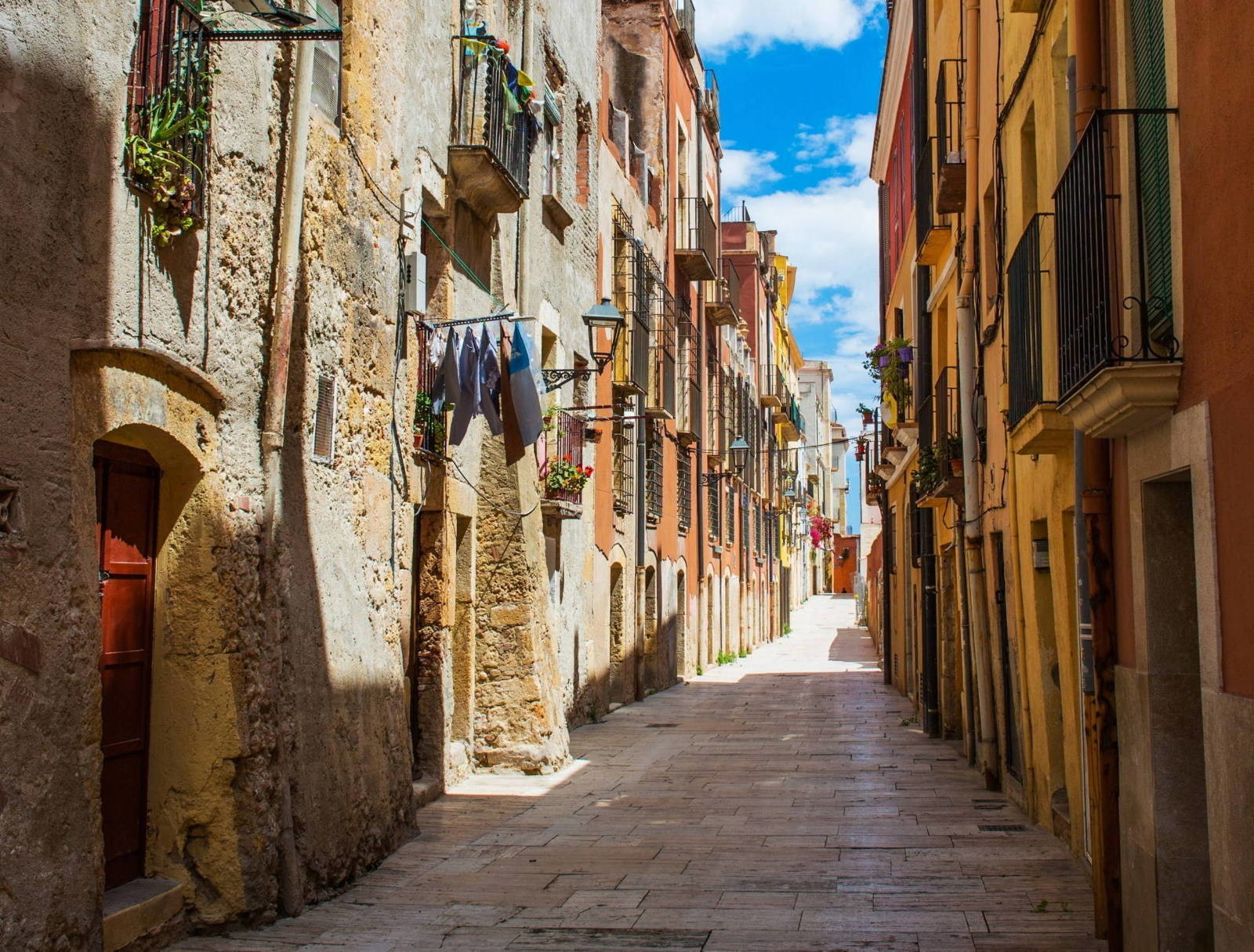
As we said, all the European Union countries have benefited from the granting of these subsidies. In Spain, a project received an award in the 2019 National Congress of Innovation for Public Administrations for converting a town into a real Smart City. The town in question is Villarcayo de Merindad de Castilla La Vieja, in Burgos. A town with just 4,000 inhabitants, which sees its population grow five-fold during the summer months.Thanks to the European initiative, Villarcayo de Merindad has gone from not even having ADSL or 4G in some of its districts to enjoying free and quality Internet access. It is also worth pointing out that, it is not only this town that has benefited from the subsidies, 26 districts that depend on this town have too. Which was a real challenge in itself.In order to allow all the inhabitants of these 26 towns to enjoy Internet access, 42 Wi-Fi access points have been installed (35 indoor and 7 outdoor). Most of them are located in the town councils of the districts for two reasons. On the one hand, this is where residents tend to gather and, secondly, they tend to be very centrally located, facilitating Internet connectivity even when the town councils are closed.This town council also has an electronic office, enabling a number of procedures to be carried out online, which is an example that being a Smart City does not depend on the size of the town, but rather the determination to be digital.Images | M. R., John Reed, paolo candelo