



Table of Contents
Author | Jaime Ramos
Smart meters are now one of the primary practical examples of sensor technologies and IoT. They are particularly noted for being devices that allow simple and large-scale implementation.
The current technological revolution is closely related to improving our knowledge of processes that will shape the urban future. And energy has an important role to play. In terms of smart homes, residential and commercial building energy use accounts for 39% of the total energy demand in countries such as the United States, according to its energy department. In this regard, the implementation of smart meters is the first and essential step.
What are smart meters and how are they used?
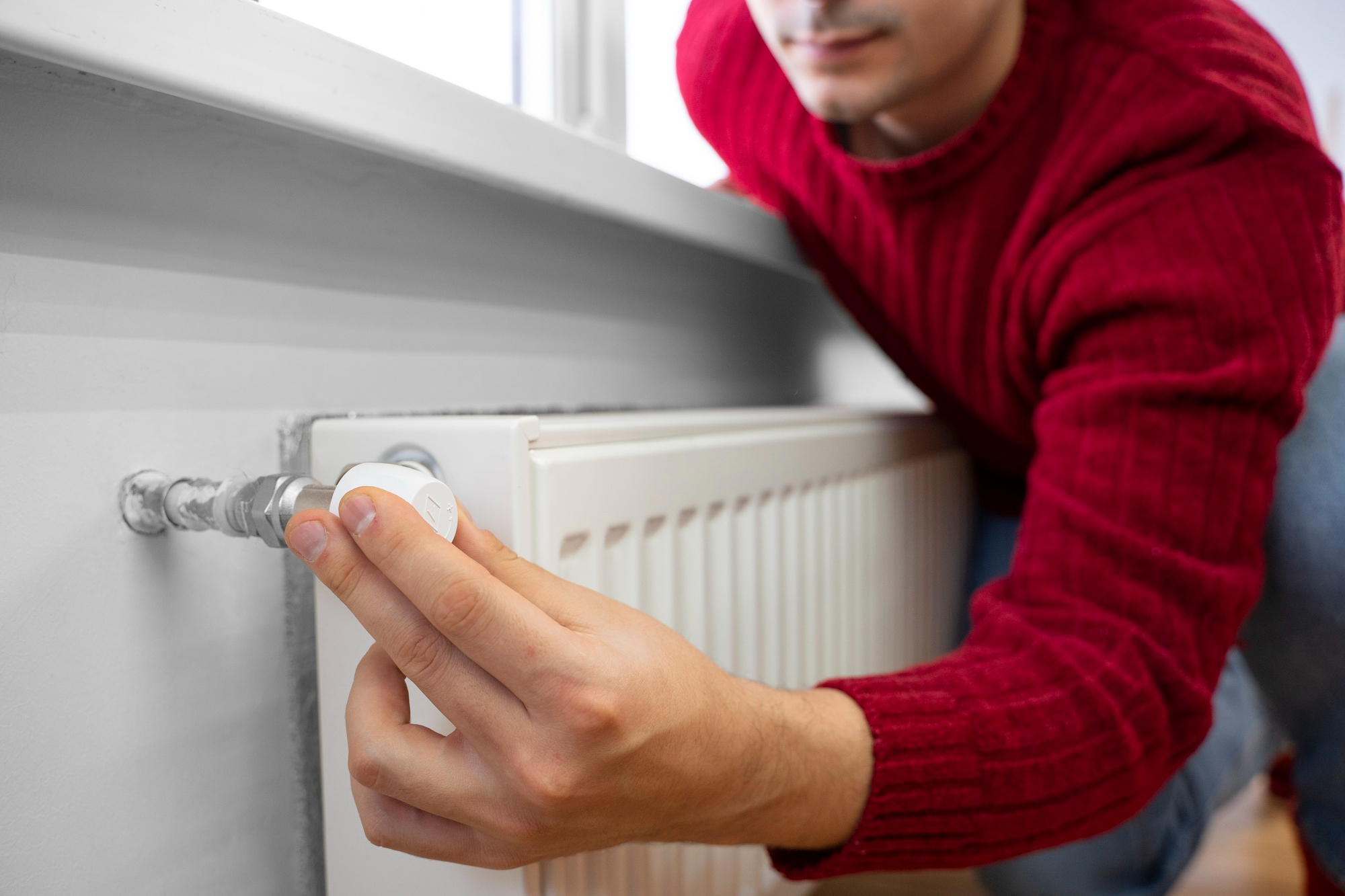
Smart meters are devices that measure water, electricity or gas consumption (or other utilities), which are implemented and digitalized to offer detailed information about energy use in homes or businesses; they also transmit that information in real time, serving as a base for the development of smart grids.
Although the integration of smart meters is relatively modern, the concept actually dates back to the 1970s, as part of the development of telecommunications. The inventor Theodore Paraskevakos was thought to have developed the first modern application as part of his work with Boeing.
What are the advantages and disadvantages of smart meters?

The advantages of smart meters include:
- Simplifying meter reading. Companies receive the information directly through a wireless connection, without having to send someone out to physically read the meters and consumers do not have to provide the information. They greatly reduce costs and resources for companies.
- They reduce administrative procedures between suppliers and customers.
- They give consumers greater control in terms of preventing fraud.
- They provide end consumers with valuable information for increasing the efficiency of their energy usage. For example, thanks to IoT, households can adapt their tariffs in real time, adjusting them to the times when they use less energy.
- They enable macro data to be collected digitally, making them a basic tool for Smart Grids, which undoubtedly has an effect on sustainability. This allows energy trends to be identified, differentiated by areas or by periods; work can be conducted on the grid to increase efficiency, the overall use of energy can be streamlined and supply can be readjusted to demand.
The common disadvantages associated with smart meters are:
- The implementation of the devices requires investment and time, which should not be underestimated. While some regions, such as the United Kingdom, have a penetration rate of 55%, with 31.1 million meters installed, in other larger areas, such as South America, the penetration of smart meters stands at 6.2% and it is hoped to reach 21.7% by 2028.
- As with other technology solutions, they require updates and standardization protocols, which can hinder their potential and effectiveness.
- Also like all other devices and sensors that penetrate the private lives of individuals, they do pose a challenge in terms of privacy. They require regulations that guarantee certain consumer rights to ensure the information given is not used for self-serving purposes or fraudulently.
Basic sensors for the development of smart grids.

On the whole, they are a basic instrument within the most valuable IoT urban devices. They are the first link in a chain designed to update the energy infrastructure aspiring to more ambitious goals for sustainability.
Images | Freepik/pvproductions,Freepik/freepik, Freepik/fanjianhua