



Table of Contents
Author | M. Martínez Euklidiadas
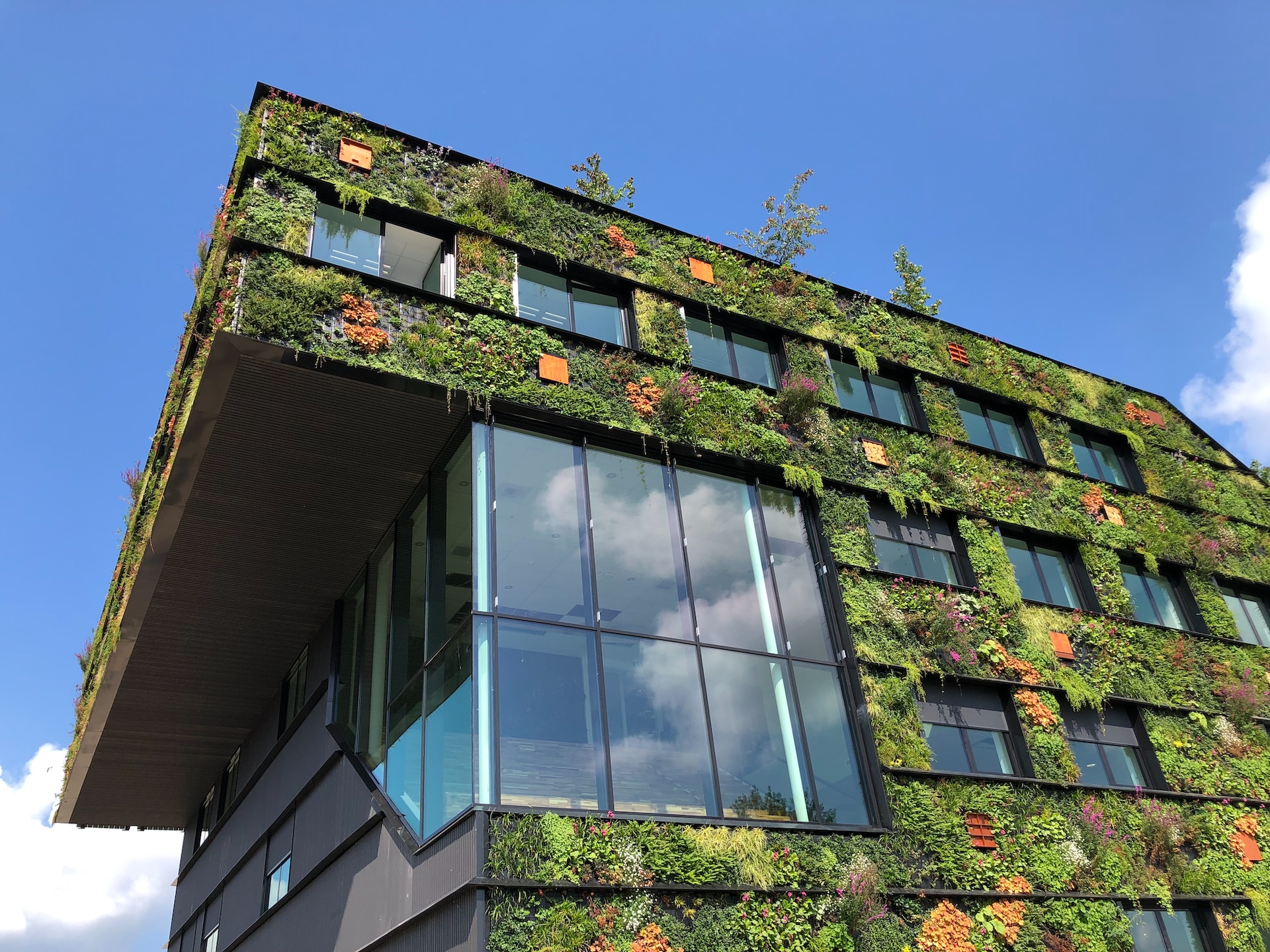
Sustainable architecture is a form of architecture that seeks to minimize the impact of buildings, protect the environment, optimize resources and even ensure the wellbeing of people or the economy after the construction work. Given the pressure currently being put on Earth by humans, sustainable architecture is now unavoidable and the only feasible future.
Fundamental principles of sustainable architecture
The sustainable architecture concept came about in 1987 with the report by the minister Gro Harlem Brundtland entitled Our Common Future (also called the Brundtland Report), in which a generic definition of sustainability was used beyond the environmental definitions, which undoubtedly form the hard core of the fundamental principles of sustainable architecture:
● The impact during construction, operation and demolition must be as minimal as possible.
○ Locally sourced materials, with low energy and embodied carbon dioxide must be used.
○ Passive heating and cooling systems should be prioritized, as well as hyperlocal sources of energy.
○ The materials used in the construction must be able to be reused at the end of their useful life.
● The building must be designed and looked after in order to be as durable as technically feasible. Continuous demolition and construction must be avoided.
● In as far as possible, underutilized spaces should be avoided, by means of multi-use rooms.
Furthermore, architecture is not alone, but rather it falls with urban planning, the impact of which must also be reduced through its own principles.
Benefits and advantages of sustainable architecture
Obviously, a significant environmental impact reduction is an advantage to be taken into account. However, there are also some co-benefits such as improving the health and wellbeing of both occupants and nearby residents.
When a building removes gas lines to heat it with heat pumps, local chemical pollution is reduced. And if passive thermal control systems are used, local thermal pollution is avoided too.
High-use (multi-use) buildings are often the point of origin of the social and associative fabric of the neighborhood, and the nexus of new social movements.
We should also remember than a more efficient use of resources also tends to be cheaper in the long term.
What are the current trends in sustainable architecture?

The popularity of sustainable architecture is constantly on the rise, as people become more aware of how necessary it is. Some of its trends include:
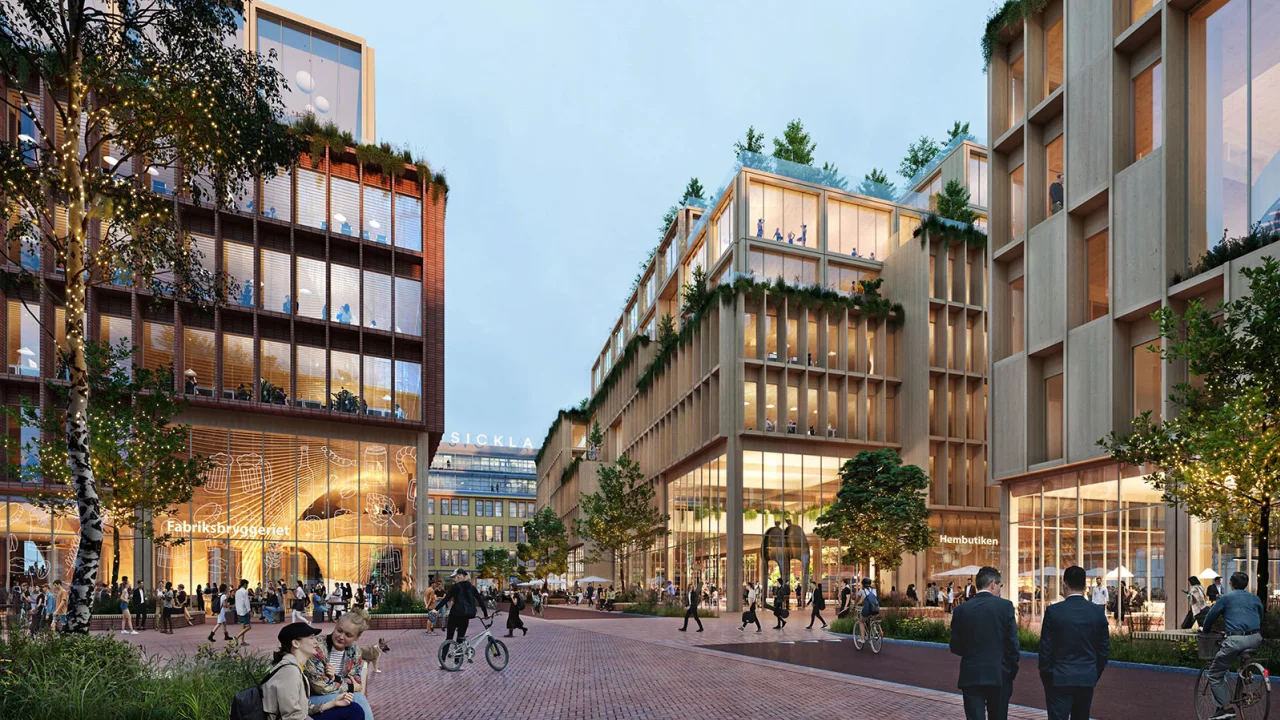
● Combining a concrete base with a timber structure for upper floors in mixed construction buildings.
● Prioritizing passive design is critical in terms of environmental and economic sustainability in the long term: if the building cools itself, all the better in a Net Zero setting.
● Traceability of local low impact incorporated materials and a return to light materials such as bamboo or fibers. This traceability enables the future circularity of materials.
● In the urban layout, designing connected buildings with collective public transport networks, since a significant part of the building depends on its isolation and the need to use a private vehicle.
The challenges of sustainable architecture
The greatest challenge of sustainable architecture is probably the apparent high price compared to unsustainable architecture, the low sum of which is not because it is more efficient, but rather because costs are outsourced. Eco-friendly materials have a higher price but a lower cost. The price of unsustainable materials must cover that cost.
Images | Vitalii Mazur, Pawel Czerwinski