



Table of Contents
Author | Jaime Ramos
The homelessness problem has become deeply embedded in California. Within the Golden State, San Francisco’s situation clearly represents how the good intentions of politicians and administrators are not quite working. What is going wrong?
Homelessness in San Francisco: a problem spiraling out of control
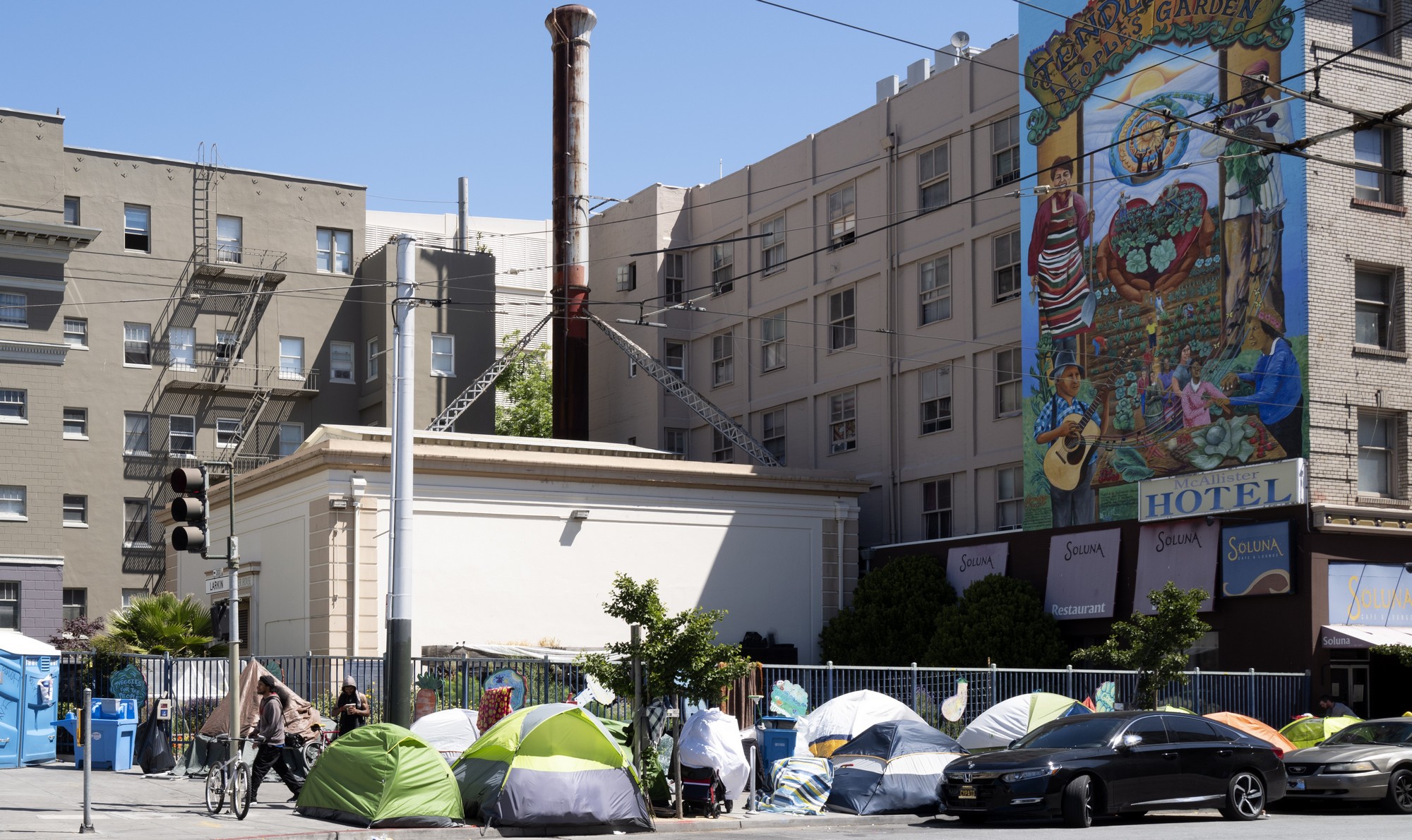
Neighborhoods turning into shanty towns. Drifters emerging from tents set up on the sidewalks. Within one of the wealthiest areas of the west, areas that previously represented San Francisco, are now a true gateway to urban degradation.
This is how it was described by the UN special rapporteur Leilani Farha, in 2018. Five years and an investment of 3.5 billion dollars later, the number of homeless people has not only failed to drop, but it is increasing uncontrollably. When Farha visited, the figure was estimated to stand at around 7,800, in 2022 this figure has increased to more than 20,000.
At the center of the political battle
How can this major urban problem exist in the same bay as Silicon Valley? Given the situation, it is worth clarifying that the homelessness situation in San Francisco is at the center of a heated political debate in the United States.
In recent years, the issue hit the public headlines in an attempt to find a simple solution to a complex problem. Both runaway capitalism and disastrous liberal aid strategies involving even greater bureaucracy have been blamed for the situation.
In fact, the immense outlay of public spending has led to viral strategies suggesting that the city subsidizes this lifestyle. Despite it being a healthy debate in a democratic society, it has actually added to the confusion in terms of identifying what is happening and how to contain the situation.
Causes or effects?
From the point of view of urban planning, there have been a series of culminating factors in San Francisco.
Gentrification and unequal growth
From the start of the millennium, the city has experienced a harsh process of gentrification which has led to greater inequality. Perhaps it is not a coincidence that it is the place in the United States with the highest cost of living.
In the complex diagnosis of San Francisco, we have symptoms that are not causal, extremely high average rent prices (2,174 dollars per month) and that the city moves to the beat of the economic power of local tech companies. Unsurprisingly, prices are expected to drop with layoffs within these companies. Likewise, it is no coincidence that San Francisco is the US city (within the group of major cities) with the lowest percentage of kids per family.
Town planning regulations and strict zoning
Many, particularly free market defenders, believe the origin of this relationship between poverty and the high cost of living could lie in the tough restrictions applied to urban planning reforms. These have reduced the number of homes on offer and affected prices.
Drugs and mental health issues
Does poverty lead to addiction or the other way round? What is clear is that it certainly forms part of the desolate situation of the homeless population. Withing the city’s panorama, fentanyl is at the center of this deadly battle.
Conservative sectors suggest that the support policy is not working. San Francisco provides its homeless population with relatively high financial assistance, up to 687 dollars per month, not including additional services, but this is still not sufficient to guarantee them a home and, its main critics claim that this assistance is more often spent on drugs, increasing the problem.
Whatever the case, it is clear that there is no easy solution to San Francisco’s homelessness situation. It seems that a plan is required that attacks all the factors involved.
Images | Wikimedia.commons/Christopher Michel