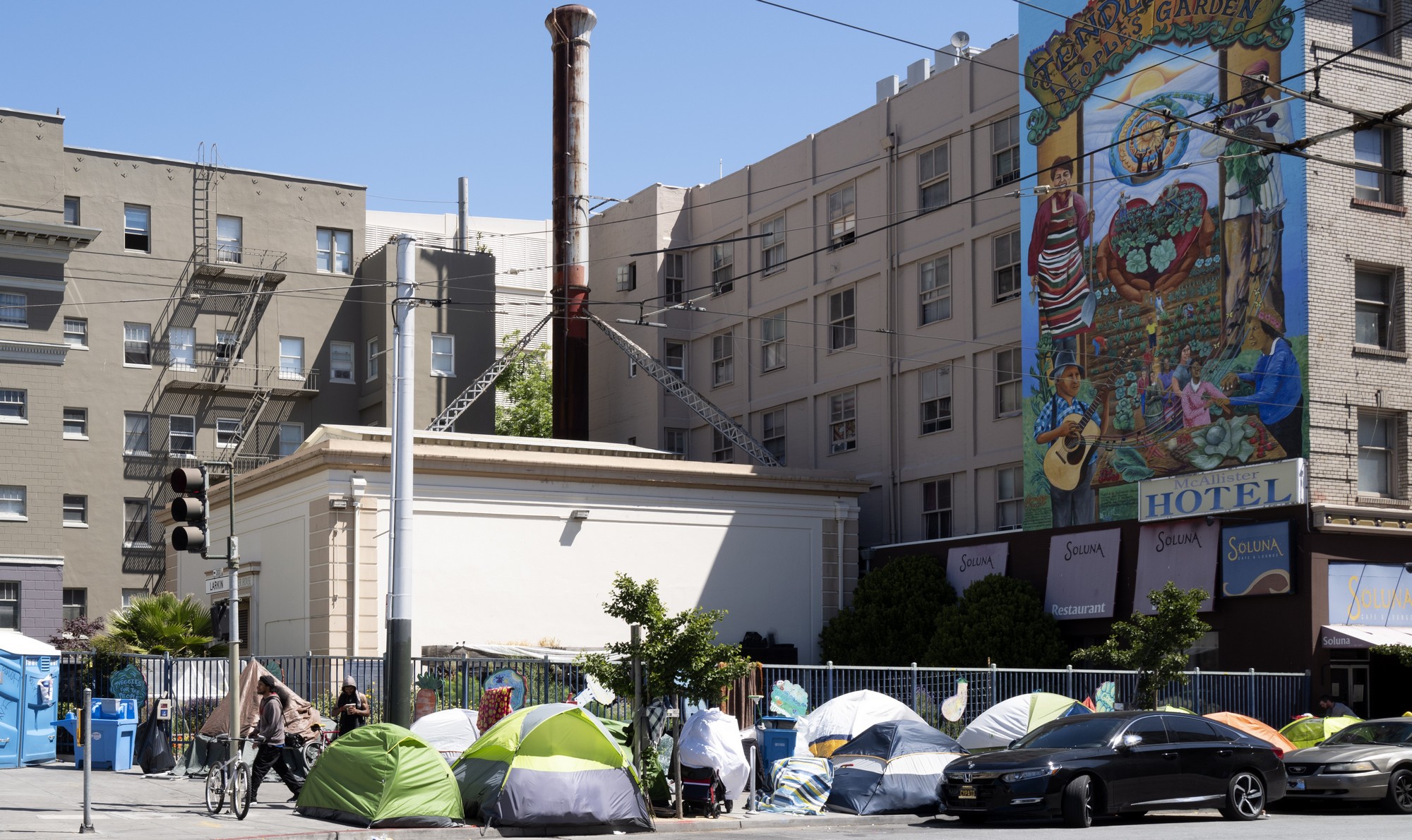




Author | Eduardo BravoOver 150 million people around the world are homeless. In other words, 2% of the global population lives on the street. The most chilling aspect of these figures is that they are not conclusive, given the difficulty of collecting data and the different criteria used by countries in classifying homeless people.Although it is the most visible side, not just people living on the street are homeless. This classification also includes those living in public shelters, in family members’ homes or in their vehicles. Therefore, the figure may even be higher.In order to try to solve the problem, different countries around the world are launching initiatives such as Built For Zero, a program developed in various US cities, which has drastically reduced the number of long-term homeless people in communities such as Abilene, Texas, and Bergen County, New Jersey.To do so, databases have been created with relevant information about people in vulnerable situations, which is constantly updated and exchanged with those of the public administrations and social organizations that help the homeless. This has reduced the periods for obtaining help and it allows personalized monitoring that enables solutions to be adapted to the specific circumstances of the needy.
ROOF Action Planning Network
Solutions are also being applied in Europe to eradicate the problem. One of these is the Urbact Roof program, with nine European cities forming part of the program to develop ideas and solutions to resolve common challenges, such as the Housing First project.Housing First seeks to provide permanent housing for the homeless, as the first step towards resolving other conflictive situations, such as addictions, mental health conditions or job hunting. Housing First involves the beneficiaries in the process of looking for accommodation, as it believes that, the more comfortable someone feels in that home, the more time they will spend in it and the more stable there life will be.The Housing First approach is the exact opposite to that were normally used by conventional programs, which required the beneficiary to enter a detox process, psychiatric treatment or a job search process, before being able to access the property, the conservation of which also depended on the positive results in the abovementioned processes.Despite the ground-breaking nature of the initiative, Housing First has been applied in Finland for some time now and it is the only country in the world that has seen the number of homeless people drop in recent years. In order to achieve this, the government invested 250 million euros in the program for building new properties and hiring three hundred social workers. An amount that some consider to be exorbitant but which, in reality, is not. The Housing First project will save 15,000 euros per year per homeless person that no longer needs to be helped through social services.A much more modest proposal than Housing First is the proposal put forward by Bus4Homeless, an NGO that conditions old buses to convert them into temporary accommodation, social dining facilities, educational classrooms and health centers. The aim is to reintegrate homeless people into society, helping them to find a permanent home, find a job and to no longer depend on social services.In this regard, it is also worth noting the measures taken in the Italian city of Trieste, where the action protocols to help the homeless prioritize the intervention of psychologists and social workers rather than the police, with the aim of solving the problem without criminalizing it.Images | mhameeq, hongquan7749, Housing First, Bus4Homeless