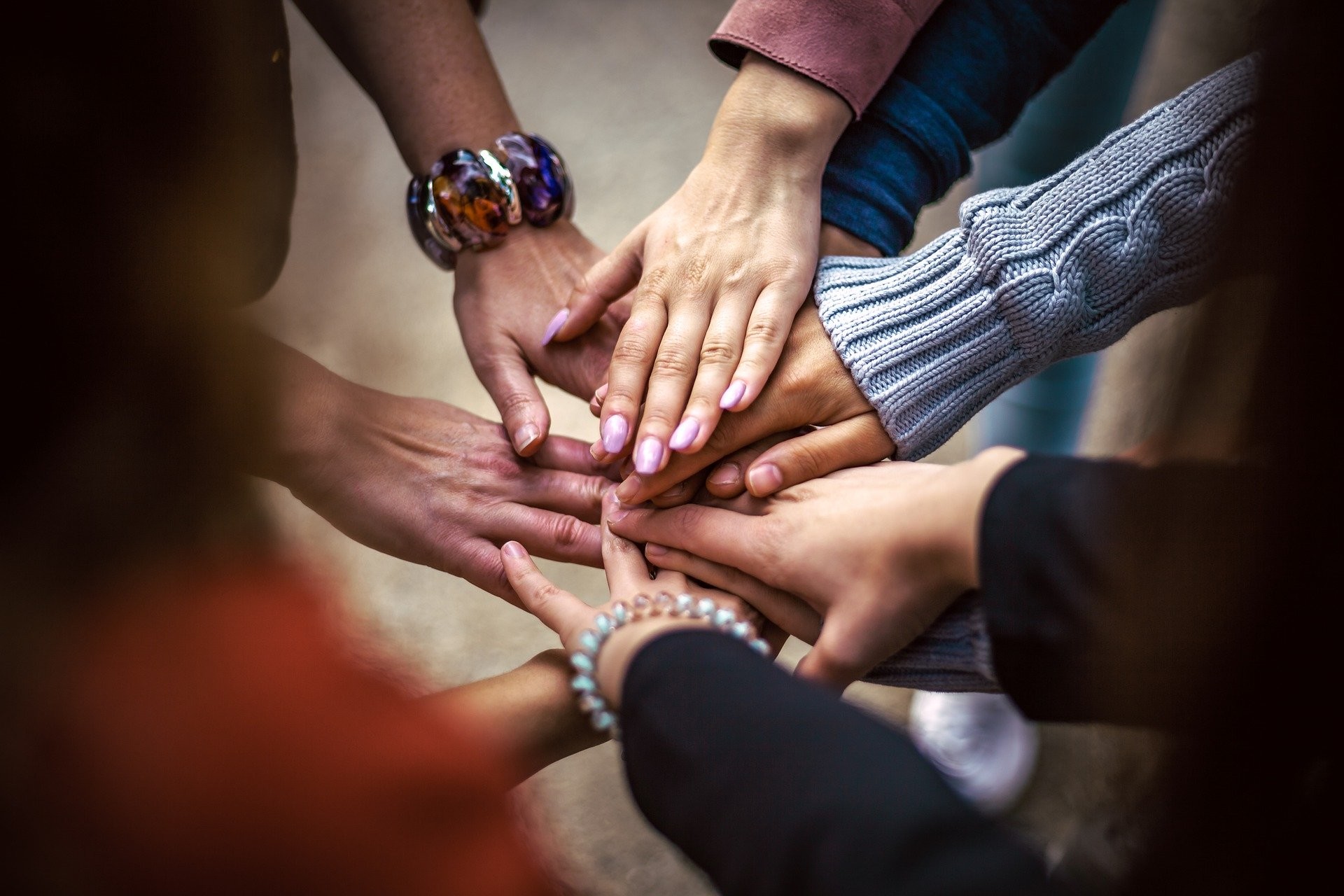




Author | Eduardo BravoResilience is a term used in psychology to refer to a person’s capacity to overcome traumatic situations such as the death of a loved one, a sentimental break-up, a serious medical process or a disaster. Although the concept is applied to individuals, it can also be applied to human communities subjected to traumatic situations such as wars or a pandemics.Given the nature of the SARS-CoV-2 coronavirus, the measures adopted by the different governments have focused mainly on medical issues to eradicate the disease and economic issues to alleviate the effects on the industrial fabric, thus enabling the rapid recovery once we get over the pandemic. Given the urgency of the situation, the emotional aspects of the conjuncture have not been able to be addressed which will, undoubtedly, have an impact on this area for various reasons. From depressive processes caused by the confinement, to the consequences of not being able to go through the grieving process for the deceased due to health restrictions.According to experts, the resilience of society will depend on the trust that governors manage to transmit and the sense of community they are able to generate. Accordingly, apart from clear and transparent information, institutions have also coined various slogans to make people aware of the importance of remaining united. From “Este virus lo paramos unidos” (We will stop this virus together) by the Spanish government, to the “Aiutiamoci l’un con l’altro. Insieme ce la facciamo” (Let’s help one another. Together we will get through this) by the Italian government, or the hashtags “#ArgentinaUnida (Argentina United). #CuidarteEsCuidarnos” (Taking care of yourself is taking care of all of use) by the President of Argentina, Alberto Fernández.
How can confinement change collective behaviour?
Spontaneous initiatives have also emerged among citizens to generate a sense of community. For example, mutual support networks that help dependent persons or the elderly to do their shopping, going out on balconies every evening at 8 pm to applaud public health professionals, collective singing sessions with inspiring songs such as Resistiré and even resorting to a sense of humour through memes or jokes shared via WhatsApp groups.The Internet and social media also have a key role when it comes to preparing the way for that future resilience process. Apart from providing real-time information about the progress of the pandemic, these tools are enabling the mobility restrictions to be a little easier to sustain, while also generating a sense of community. In recent weeks, publishers, producers, videogame companies and public entities have released movies, records, courses and books. Free-to-use materials which are sometimes commented via Twitter in real time and create shared experiences that strengthen the community.Although they may seem anecdotal, these cultural initiatives are highly important in cities in which, for historical reasons, some of the innovations of smart cities have not been able to be implemented. Urban centres in which many homes are located in narrow streets, with little light and no green areas in sight and with houses that are too small for entire families to endure a situation of confinement such as this one.Therefore, any initiative that helps, even just occasionally, to forget about the problem, will be useful for the resilience process, provided in doing so, we are not trying to ignore the seriousness of the situation. One of the key components of resilience is precisely taking action to overcome the problem and, if necessary, achieve one of the three most common forms of resilience: maintaining integrity; returning to the original situation and, the most ambitious, come through the process reinforced as a society.Images | BobDmyt Anemone123 LoboStudioHamburg Pexels