



Table of Contents
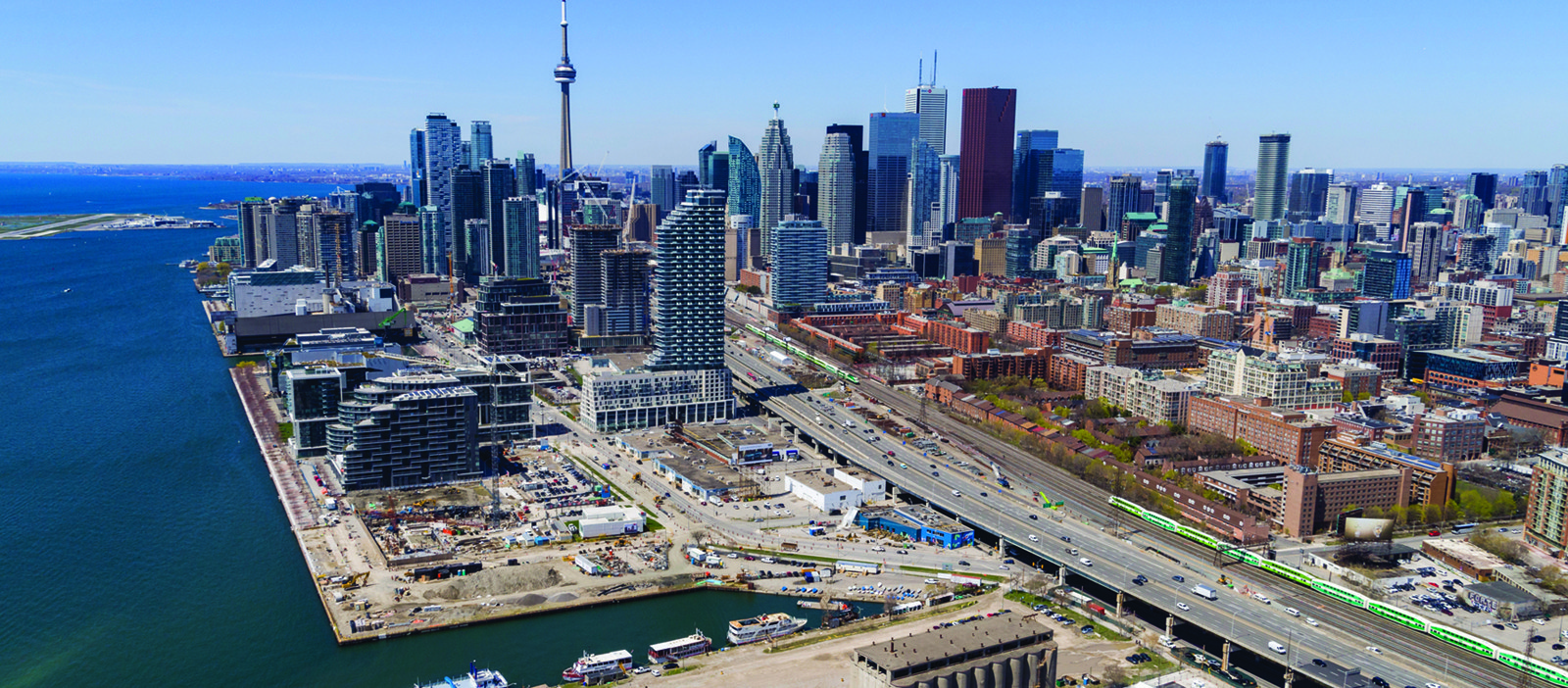
Author | Patricia M. LicerasFar from sticking to the Internet, the omnipresent Google is diversifying its activity by designing autonomous vehicles and conducting research on human health and longevity. Its activities have transformed it into a mega-corporation with different needs to those of practically any other large enterprise, which is why it is now immersed in the design and construction of cities. Alphabet, an umbrella company that includes both Google and other associated firms, is creating the first smart city in the world in Toronto (Canada).Specifically, it is doing so along its coastal district, a totally de-urbanised area covering 4.8 hectares and which, years ago, was a major industrial port.The truth is that Google’s idea is not new. The major attempts to create smart cities in North America date back to the 60s, when Walt Disney dreamt of the Experimental Prototype Community of Tomorrow (EPCOT), a city of the future in Florida based on technology.This plan to create a leading model of urban life for the 21st century developed by Sidewalk Labs, Google’s subsidiary, seeks to provide technological solutions to improve the life of citizens and it includes two key areas. On the one hand, Quayside, along the Lake Ontario shoreline, which will accommodate houses, shops and offices and will house around 4,500 inhabitants, who will be able to access the estimated 3,900 jobs that will be created. Google will obviously be the first to open offices there. According to Alphabet’s estimates, the Quayside district will be completed by 2022, with the possibility of receiving the first inhabitants by the end of that same year. Then there is the river area, where five residential colonies are to be built.
Electric scooters and autonomous cars as a solution to mobility
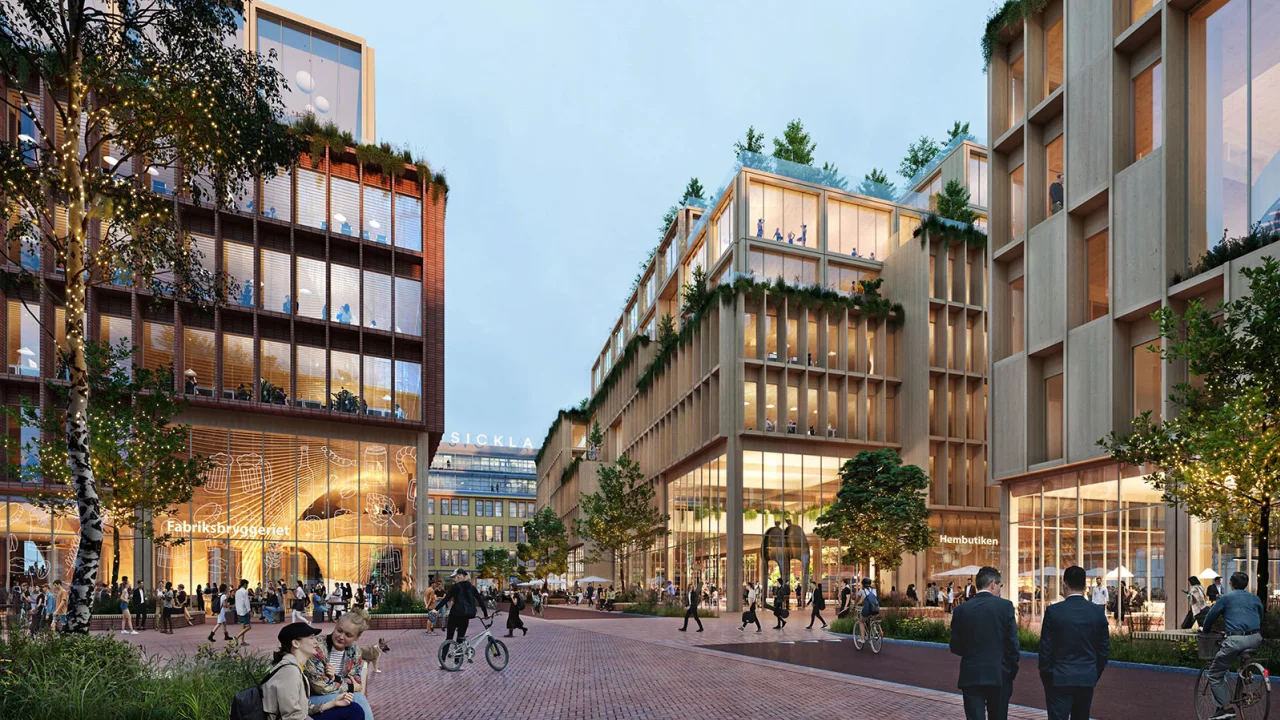
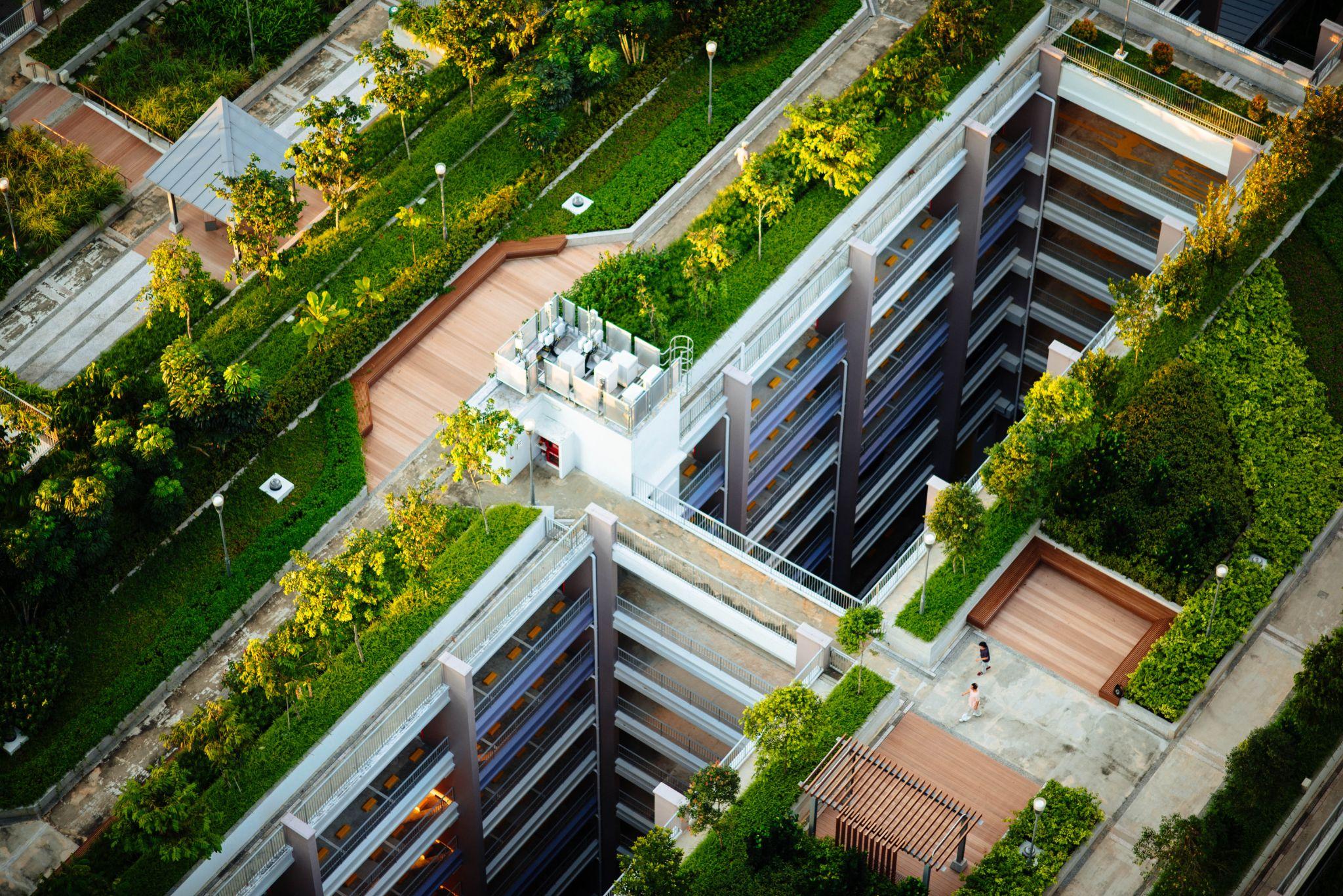
Both districts are being designed under eco-friendly concepts. They will offer extensive green areas and eco-friendly means of transport, giving priority to pedestrians, cyclists and autonomous vehicle users, in order to reduce pollution. In fact, the idea is to cut greenhouse gas emissions into the atmosphere by 89%. It also plans to offer modular and wooden housing at rates that are 40% lower than market prices.But the main thing that characterises this futuristic city, the design of which has been 18 months in the making, is that it will be fully automated. It plans to offer methods of transport with automatic pilots, robots to collect waste, pavements that heat up by themselves to prevent the accumulation of snow and sensors that indicate when a park bench has to be repaired or if the air quality is suitable. It will also offer smart traffic lights that understand when pedestrians have priority or if a bike lane needs to provide access for pedestrians. And even a health system capable of informing citizens, based on different variables, when they need to visit the doctor.
Management based on big data
However, in order to become the most advanced city in the world at so many levels, mass data collection would be required by Alphabet, and this is the most controversial aspect of the project, raising concerns among future inhabitants about the loss of control over their privacy and of in fact being subjected to covert surveillance.It has already received its fair share of criticism and the Google subsidiary has undertaken to continue working with citizens to safeguard the protection of their data, seeking solutions to satisfy both parties. This give and take could delay or modify, if not hinder, Alphabet’s initial plans. A delicate matter and which will probably become even more controversial as cities begin to use big data to the fullest extent.Images | Sidewalk Labs