



Table of Contents
Author | Arantxa HerranzWhen cities establish a series of environmental goals, they normally include reducing greenhouse gas emissions and increasing the use of renewable energies. Many also want to fulfil the Sustainable Development Goals developed by the UN for 2030.Some cities have decided to go one step further and embark on even more ambitious goals than those officially established. Malmo, the third largest city in Sweden, is a fine example of this. Its target is actually very aggressive, since it expects to become a climate neutral city and solely depend on renewable energies.
Years of work
How did Malmo get here? In 2007, Malmo’s city council prepared a report identifying the local environmental challenges it was facing. Two years later, the Environmental Programme for the City of Malmö 2009-2020 was created. The initiative was backed and obtained the approval of all of the city’s political parties, which was essential for it to be achieved, avoiding the pitfalls of other large cities.The Environmental Programme for the City of Malmö outlined the goals they wanted to achieve. These goals included reducing energy consumption by 20%, incorporating solar, wind, water and biofuel technologies, eliminating fossil fuels, reducing emissions by at least 40% and ensuring that all public transport systems were electric.Even then Malmo knew that it had to supplied exclusively with renewable energies. Which inevitably involved the complete electrification of its transport system. Therefore, it decided that its entire fleet of municipal vehicles had to run with biofuel, hydrogen or electricity (including plug-in hybrids) which, in turn, meant increasing electric vehicle charging infrastructures, and it designed a bike-sharing programme in the city, which included equipping and improving the streets, in order to facilitate walking, cycling or travelling by public transport.
Redesigning specific neighbourhoods
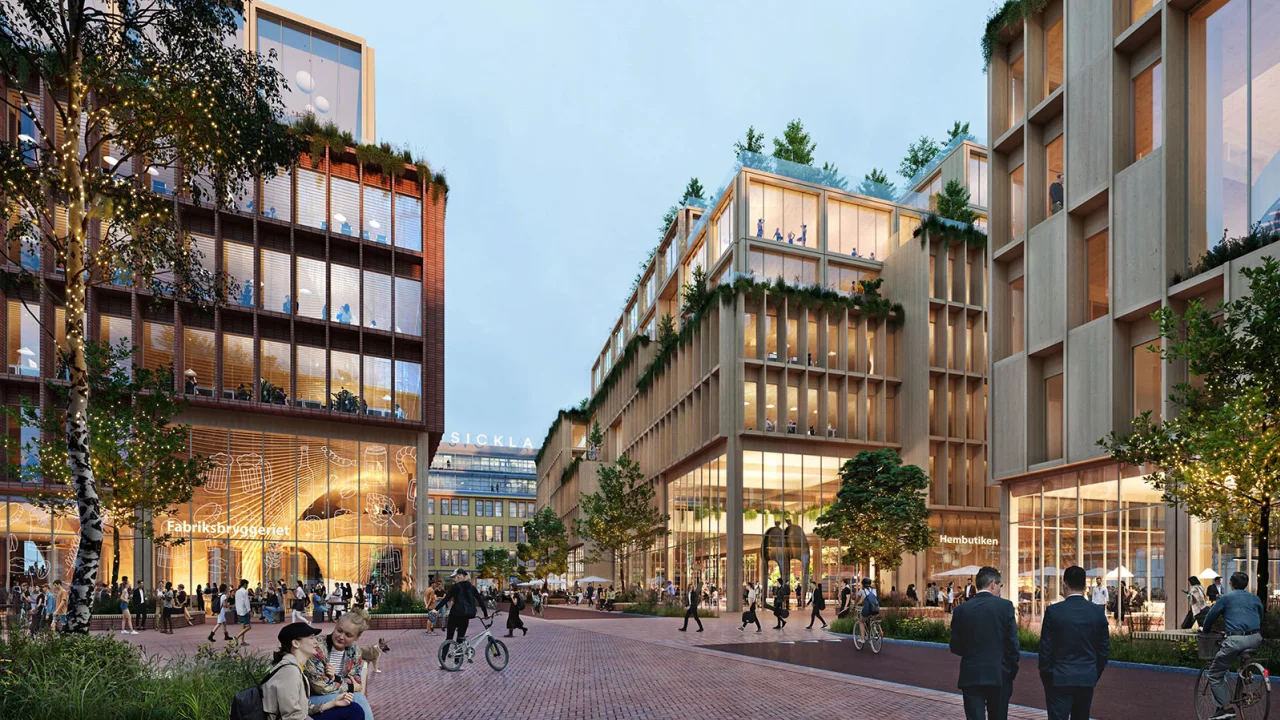
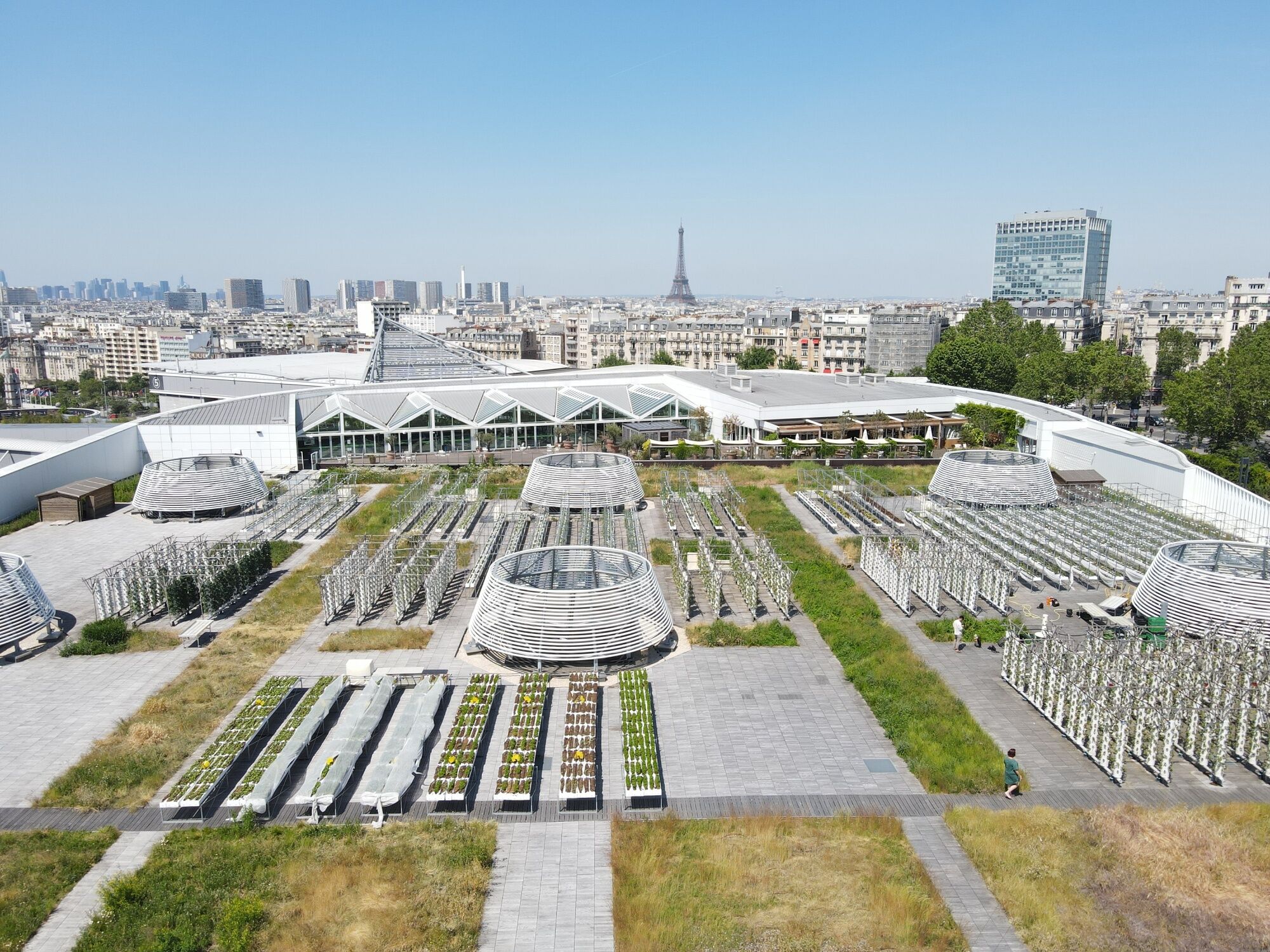
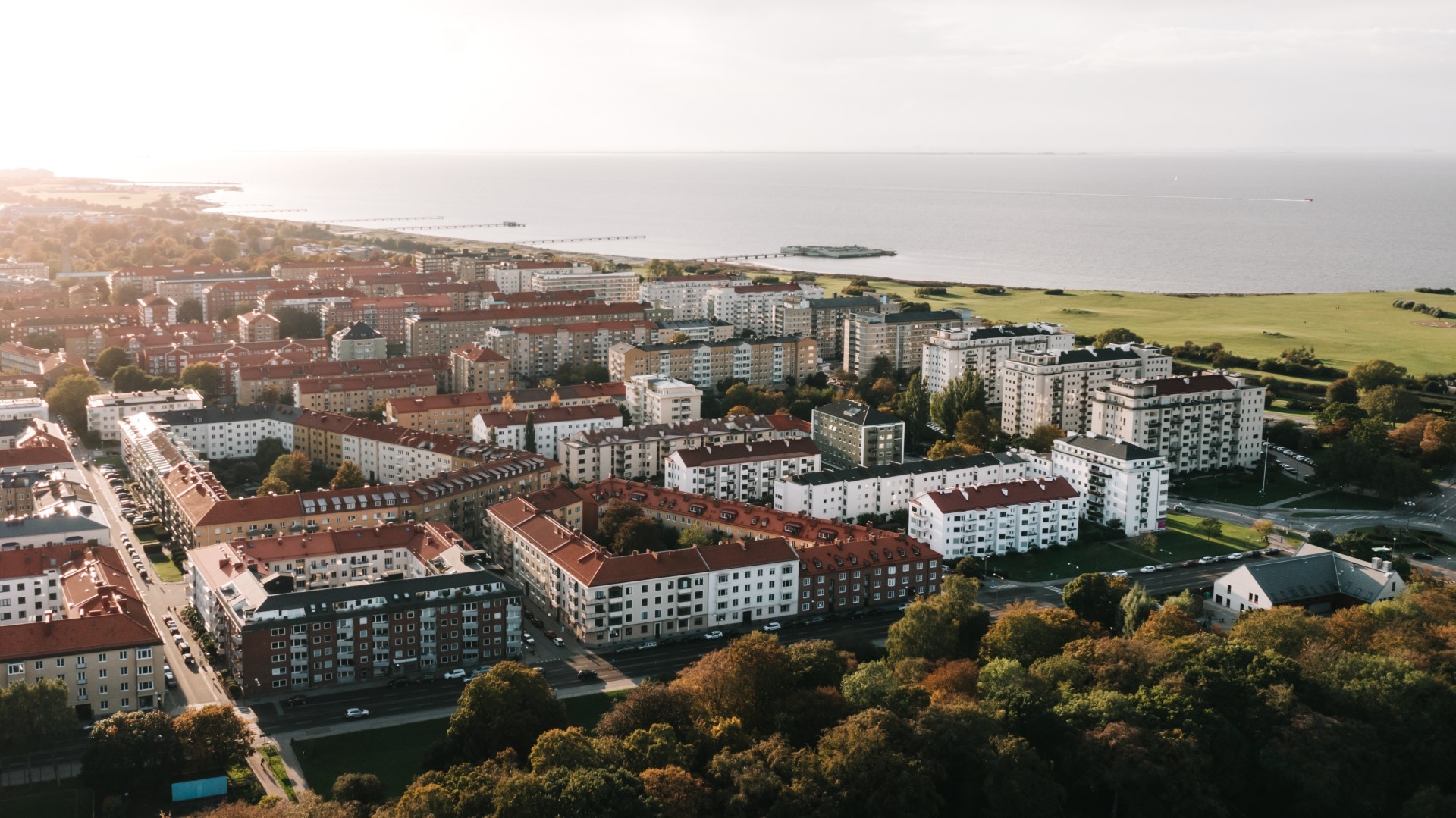
The result today is that Malmö has 490 kilometres of bicycle lanes. It is estimated that bikes are used for every 4 journeys made in the city and cyclists are granted priority when approaching intersections, where a sensor system changes the light to green when a cyclist approaches.However, in order to achieve these ambitious goals, the city also decided to redesign some of its neighbourhoods.For example, Västra Hamnen went from being a decaying industrial area to become a knowledge and residential centre, supplied exclusively with renewable energy. The Malmö University was built in 1998 in the Western Harbour and in 2001, a residential housing project of 350 apartments was built in conjunction with the European Housing Exhibition, which also breathed new life into the area, both socially and financially. All the houses were built using sustainable materials.In other neighbourhoods, Malmo opted for the installation of green roofs, which absorb rainwater, clean the air and provide insulation, which prevents heatwaves and serves as a habitat for migratory birds
Everyone’s commitmentAchieving these goals has also required investments. For example, over 27 million euros have been invested to finance the changes in heating and energy supply in certain neighbourhoods.Private investment in renewable energy has also been significant over the last 15 years, partly in collaboration with the city. In total, investments in sustainability exceed 100 million euros in Malmö.Malmo proves that cities can achieve their goals, however, it will require the commitment of all political parties and private investments as well as public investments.Images | Glavo, Daniel, Wikimedia, Pontus Ohlsson