



Table of Contents
Author | Arantxa HerranzHosting a sporting event like the Olympics make you become the focus of the entire world, but it is also an expensive hobby. The Rio 2016 Games are said to have cost at least 13.1 billion dollars. The London Games, four years before, cost around 14.6 billion, while 42 billion dollars were invested in the Beijing Games.Therefore, the concept and design of all the facilities required to host the Olympic Games (not only sports facilities, also accommodation among others) should take into account what will be done with all these buildings once the event is over. There are numerous and varied examples of good practices in this regard.
A sustainable plan as a base
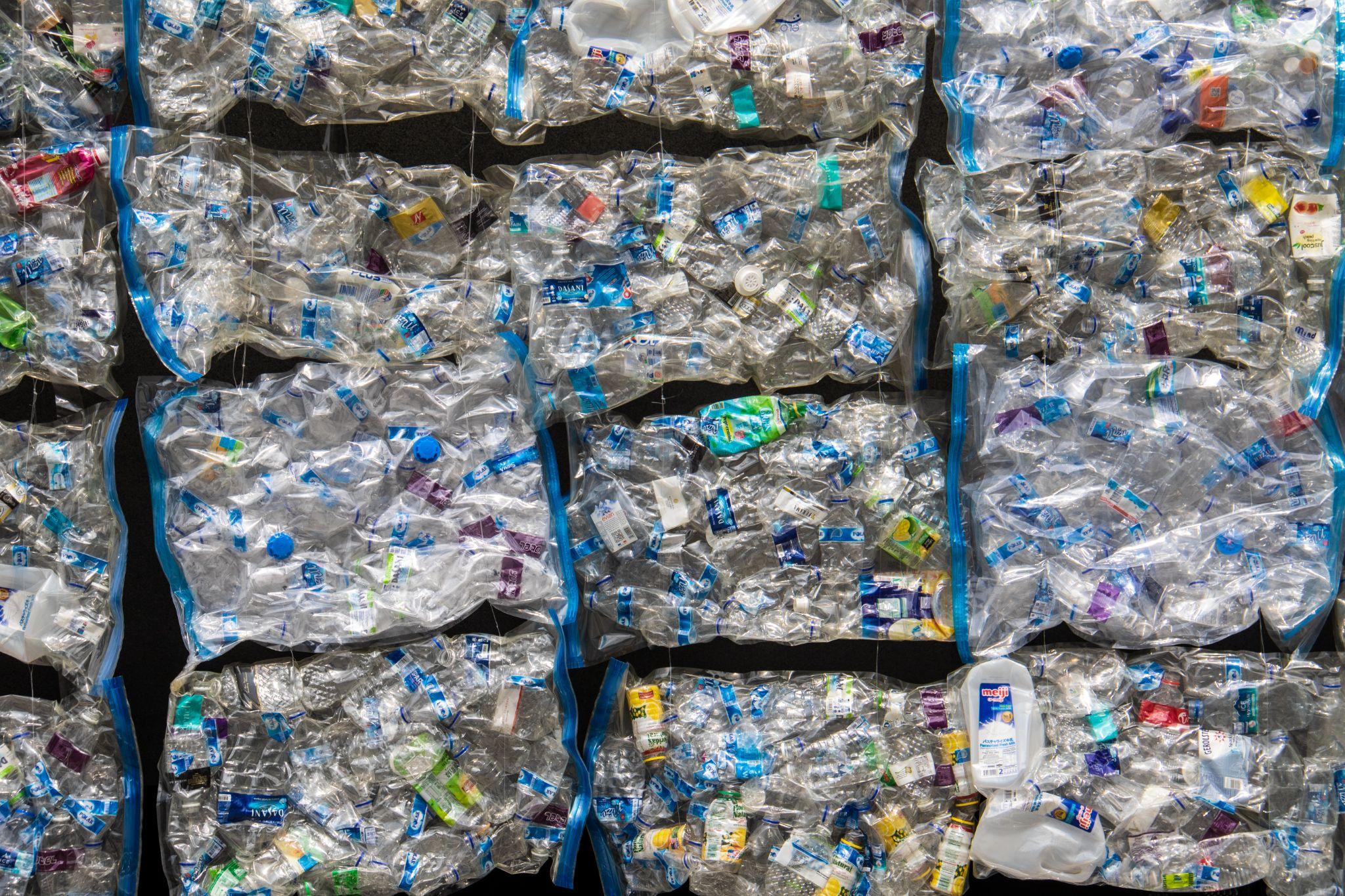
Since it put forward its bid to host the Games, sustainability has been at the forefront of Tokyo’s plan in the broadest sense. Not only from the point of view of reusing the facilities, but also the use of energy and the management of waste, which is inevitably generated.In fact, the Tokyo 2020 Games established five main sustainability themes forming the basis of the work carried out by the organisers. The Tokyo 2020 Sustainable Sourcing Code was also created as a tool to ensure sustainability throughout the supply chains of products and services Tokyo 2020 procures.How is the target being achieved of being the most sustainable Olympic Games? With innovations such as roads that reflect heat and water-absorbing pavement, that will enable the games to be a carbon-neutral event. More importantly, these roads could be adopted by other cities looking to mitigate climate risks. Other tools established for these 2020 Games are uniforms made from recycled plastic and cool zones for pedestrians to escape hot weather.We also know that all medals will be made from metal extracted from recycled consumer electronics, including around 6.2 million mobile phones. The Olympic torch has been made from aluminium waste and the podiums form recycled household and marine plastic waste.Electricity for the Games will come from renewable sources, including hydrogen that will be used in the athletes’ village and to fuel vehicles, including buses and vehicles that will drive the officials to and from the various facilities. The timing of events will be adjusted according to the heat at a particular time and a resin-based material will be used on the pavement to reflect infrared rays, thus reducing the temperature of the road surface by up to 8 degrees.
Five main focus areas
In order to establish the areas of action required to become the most sustainable Olympics, the Tokyo 2020 organisers established five important focus areas from the start.
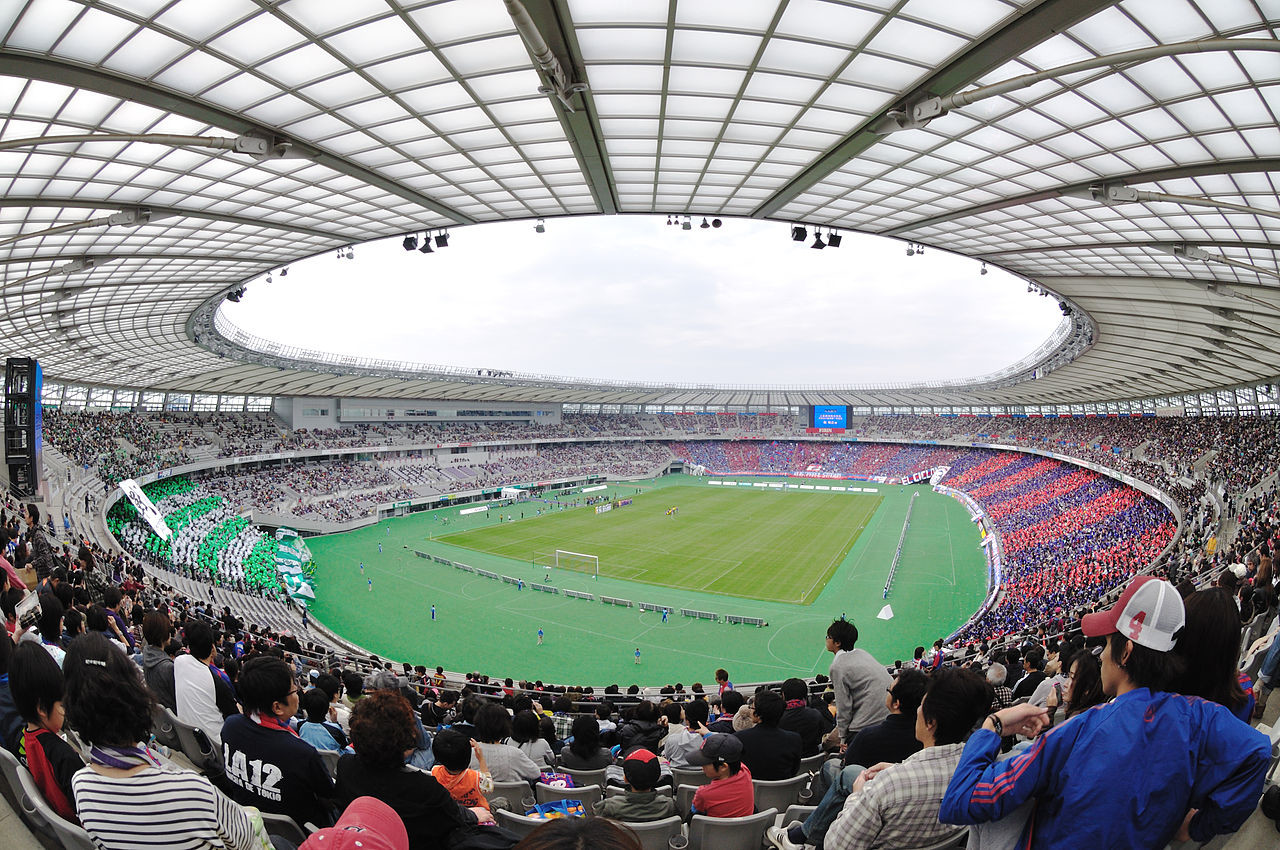
- Infrastructure and natural sites. The venues in which the sporting activities will be held, but also the administrative and support infrastructure must be designed with sustainability in mind.
- Sourcing and resources. All the products and services acquired by organisations within the sporting event must be from renewable and recyclable sources.
- This focus area refers to working conditions and opportunities offered to employees, volunteers and contractors of the Olympic Movement.
- This is not just about the environmental impacts in the form of greenhouse gas emissions, other air or noise pollutants, but also inclusion and accessibility, an important aspect to be taken into account when designing venues and planning events.
- Climate The purpose of this focus is the management of direct and indirect greenhouse gas emissions (GGE) associated with the Olympic Movement’s activities, and adaptation to the consequences of climate change.
It is worth pointing out that these five focus areas are strongly interrelated and should be considered as a whole. Through a management policy based on sustainability, Tokyo hopes its Games are not a one-off expense, but a long-term investment.Images | Aleksandar Pasaric, Yoppy, Masato Ohta