



Table of Contents
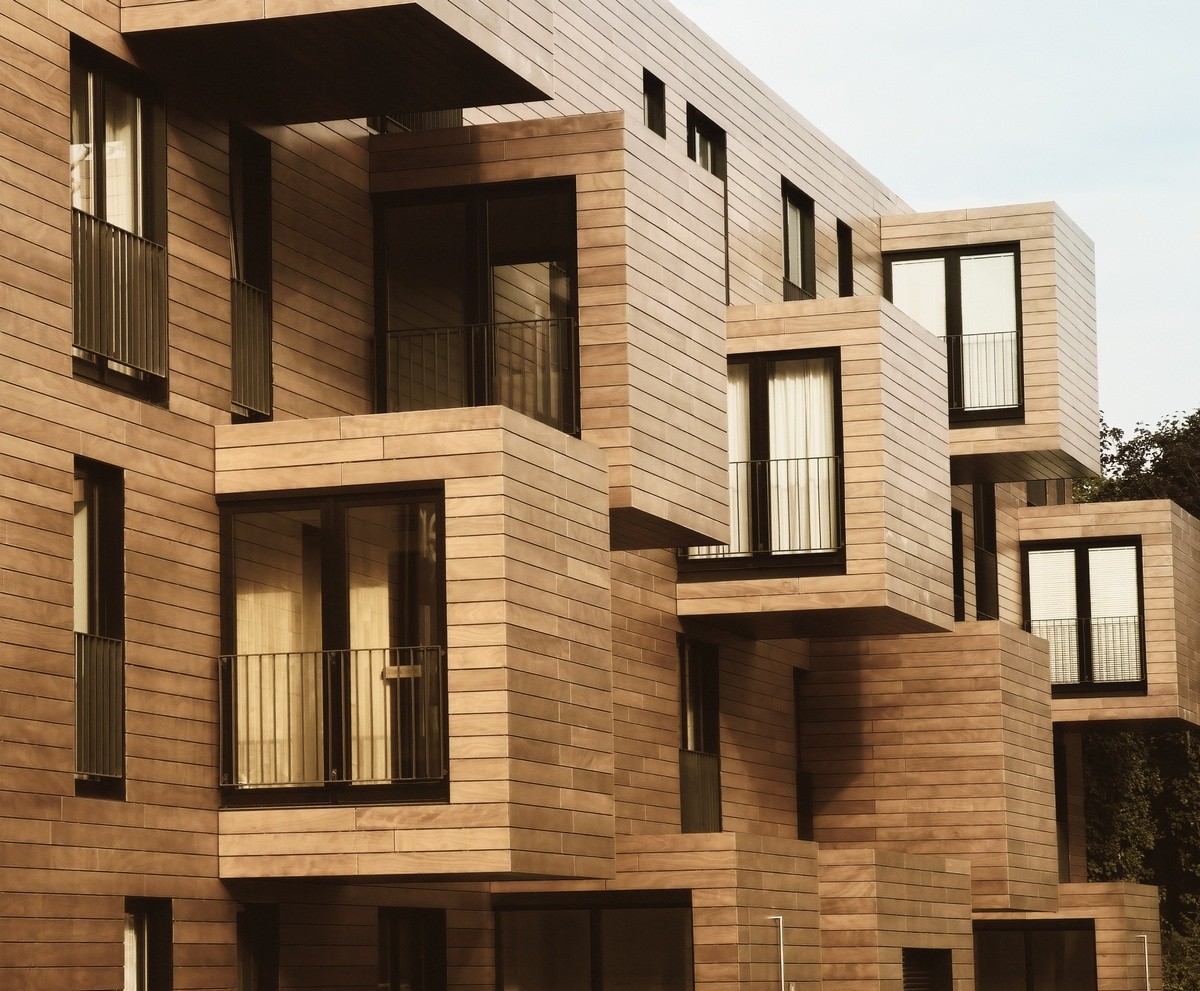
Author | Jaime RamosThe building industry is facing its own specific challenges in terms of sustainability. The materials used on buildings, together with the energy required to produce them, require new eco-friendly standards. In this regard, wood is set to play an important role.
Global demand for wood products — Data and Statistics
The wood sector has been experiencing an upward trend in recent years. The wood-based product market recorded its highest rate of activity since 1950. According to the annual report drawn up by the Food and Agriculture Organization of the United Nations (FAO), the sale of wood-related products increased by 11% in 2018 compared to 2017.The production of sawn wood reached a growth of 2% during the same period, the highest figure ever recorded. This is due to factors such as the economic recovery after the last recession.The new demand has reached the exploitation of more sustainable ways of producing wood, such as the recovery and recycling of wood for use in the construction industry. In 2018, more than 27 million tonnes of wood were recycled. However, although this figure may be positive, it cannot hide the truth: however recycled the wood may be, it was still chopped down at some point.
Eco building materials — What is transparent wood?
This is the point at which more sustainable building materials come into play. According to experts, they will be a determining factor in reducing the emissions generated by buildings and infrastructure in cities by 44% by 2050.The KTH Royal Institute of Technology, in Stockholm seems to have found a solution in relation to wood. Known as transparent wood, this is a multi-purpose material that can provide significant benefits for the building industry and the environment itself.To produce it, the team headed by the researcher, Céline Montanari, has removed the lignin from the wood, the main light-absorbing component in wood, and then add acrylic components to it during a subsequent phase. The result is a new frosted and almost transparent material, strong enough to be used in construction.
Transparent wood: Main properties and benefits
During this process, the latest phase has been to mix the acrylic with another substance: polyethylene glycol. This has provided the wood with its most interesting and sustainable feature: the ability to absorb energy.The researchers found that, when the transparent wood is heated, by the sun, for example, it tends to acquire that characteristic translucent appearance. However, when the temperature drops, the opposite happens. That is, the wood releases the captured energy.According to Montanari, 100 grams of wood could absorb up to 8000J of heat in a two-hour interval. The idea, therefore, would be to use it as a building material to release it as heat when necessary. This would have a direct effect on mitigating the harmful effect of existing heating systems. A factor which, in the United States, one of the largest consumers of wood for construction, accounts for 20% of air pollution and around 10,000 premature deaths each year.
Is transparent wood the building material of the future?
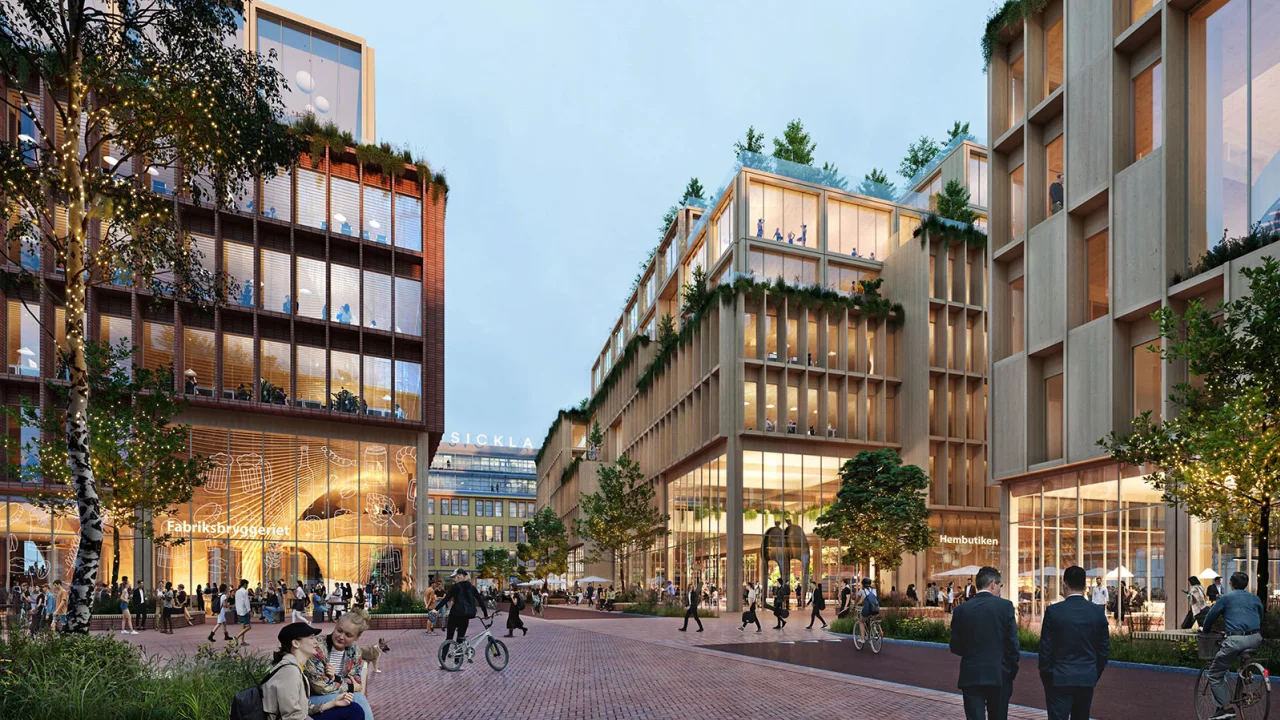
Despite the benefits seen, not all experts believe transparent wood will be the material of the future. Mark Miodownik, professor at the University College London, believes the fact that it is a biodegradable material makes it less sustainable. Because, according to Miodownik, what really needs to be found are recyclable and reusable materials.Even so, these innovations should not be underestimated, since they may be the start of new technologies that pursue sustainability. In the case of transparent wood, its significant usefulness could be tested in urbanisations such as the wooden neighbourhood of the city Google is working on, a huge project that seeks to make the most of a building material that is as old as it is eco-friendly… if it is exploited in a smart manner.Images | iStock/Franck-Boston, iStock/claudiodivizia, iStock/dani3315