



Table of Contents
Author | Jaime Ramos
Imagine a drawing on a piece of paper by a five year old. Unhappy with the drawing, the child rips up the paper and starts from scratch. It was not what the child was looking for. Maybe it was the best solution, or maybe not.
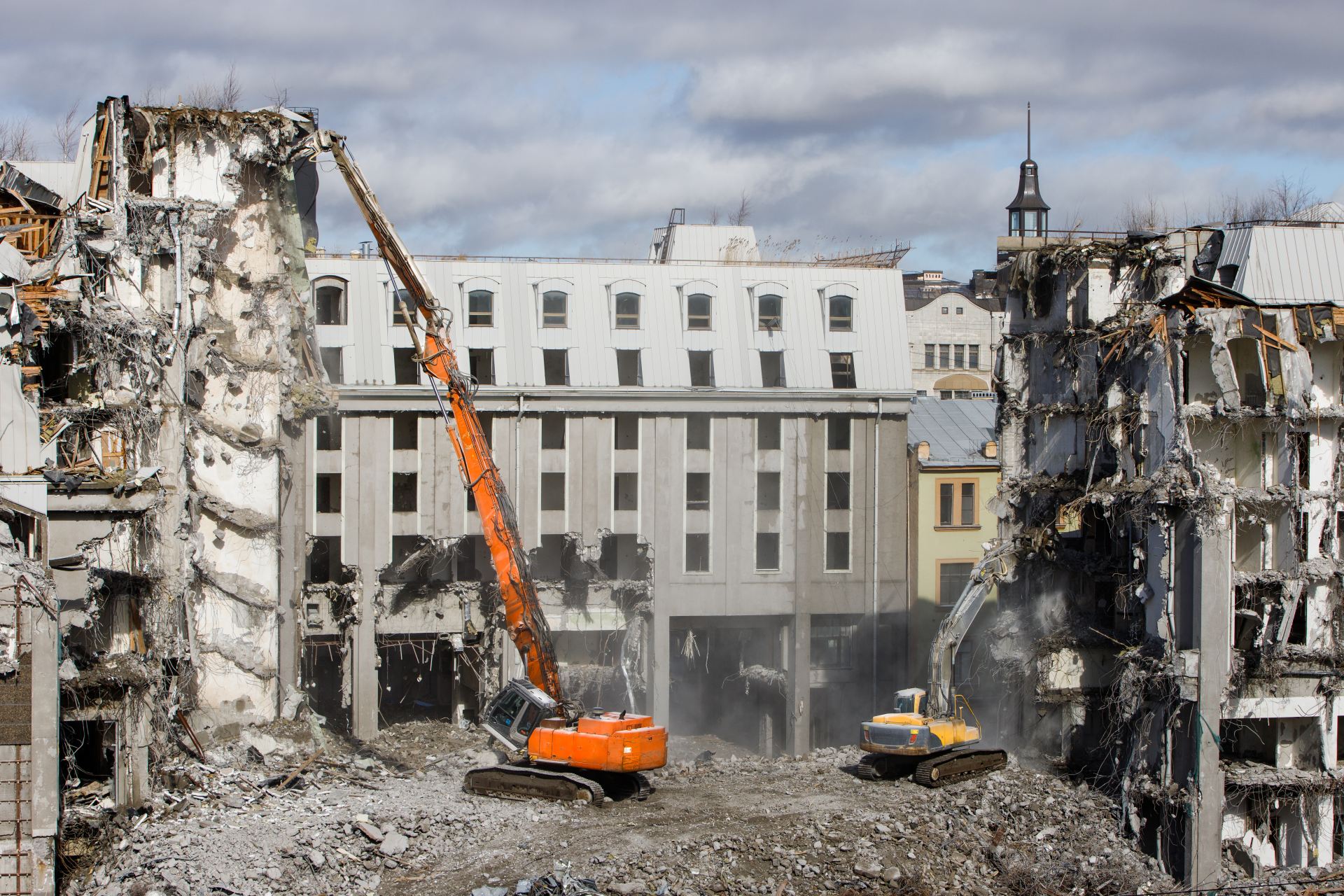
Were there no lines, objects, colors on that drawing that showed the essence of what the child was looking for? This issue, which was trivial for that imaginary child, is not so trivial in terms of urban planning. When should an installation or a neighborhood be “ripped up” to adapt it to the necessary sustainability criteria of today?
What is urban retrofitting?
Urban retrofitting is designed to solve this. This is an alternative solution to demolishing or destroying, opting instead to transform urban areas that have grown as a result of excessive or dysfunctional urban planning or when the original purposes of such areas are now obsolete.
The term retrofitting is relatively new. It dates back to the 1950s in the USA. It is the merger of the terms “retroactivity” and “fitting”. It was first applied to architectural solutions of the time that had to be adapted to new urban requirements.

The essence of the term is perfectly defined by Ellen Dunham-Jones and June Williamson in “Retrofitting Suburbia”, which reviews the retrofitting trends across the USA.
The rest of the world has caught on to this strategy too. According to the IEA, 70% of the buildings in Europe will be readapted in order to comply with the sustainability goals.
Main urban retrofitting strategies
Re-populating
This not only refers to a return of the population, but to adapting urbanized plots to current uses.
Re-developing
This entails economically and socially boosting an area, increasing its demographic density and improving internal mobility, services and quality of life.
Re-ecologizing
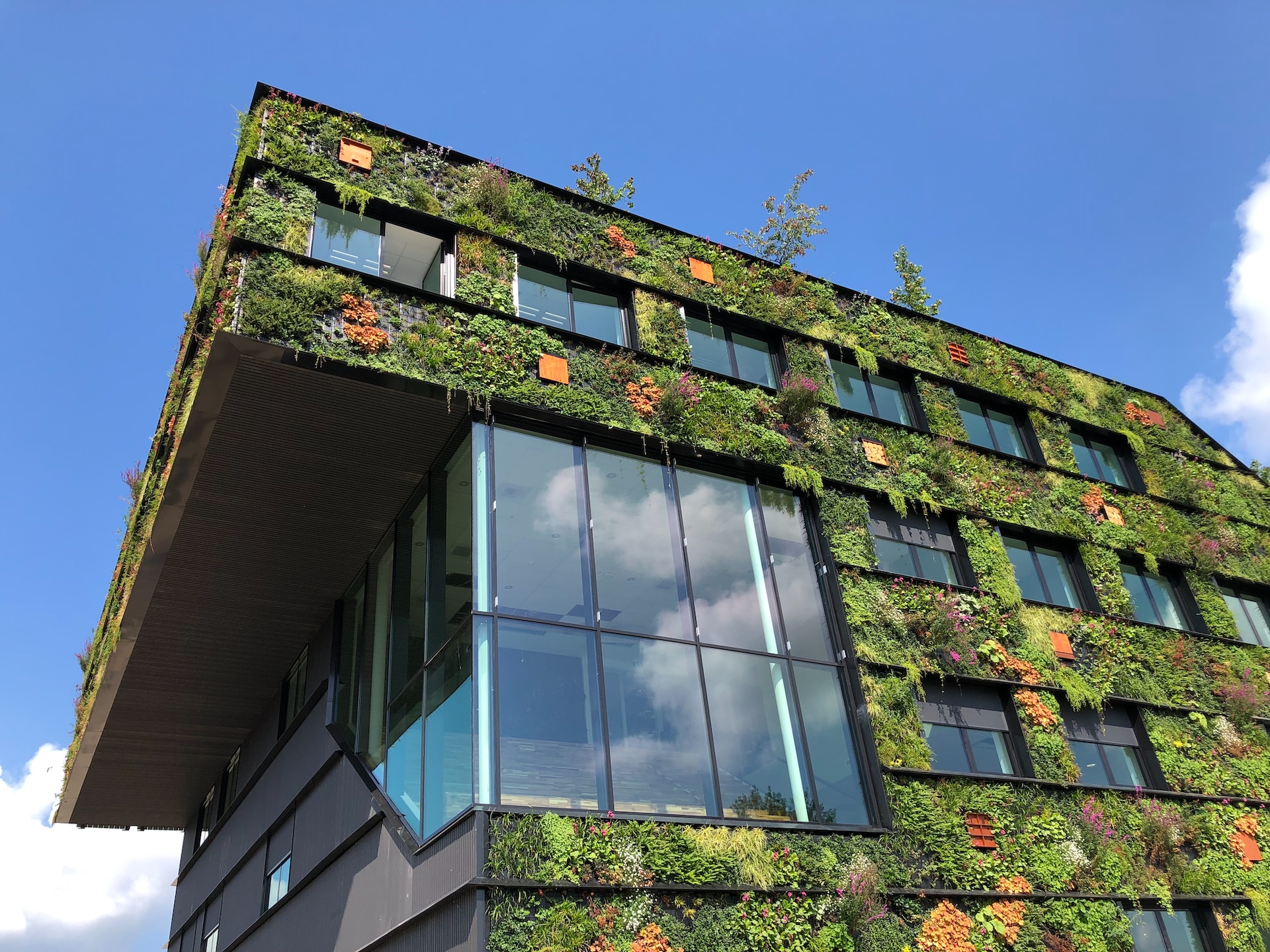
Reducing emissions, favoring clean mobility, “reforesting” the city, increasing energy efficiency are just some of the essential elements of retrofitting strategies.
When is retrofitting necessary?
Retrofitting is ideal when it provides added value to the restoration of urban areas. It is also applicable when tackling larger, more modern urban settlements, but which are at risk of marginalization, poverty or inefficiency (https://tomorrow.city/a/barrio-31-and-delft-two-different-ways-of-dealing-with-informal-settlements).
Benefits of urban retrofitting

Given its nature, retrofitting can bring heterogeneous advantages:
- Reactivation of the local economy. This occurs, not just by implementing the use of the land, but also by attracting external investment and creating jobs. For example, the benefits of the project in the city of Seoul, readapting its institutional buildings, includes the creation of around 4,500 jobs.
- Improved public health. Architectural retrofitting brings with it savings for healthcare systems, while also reducing pollution. It can even have a direct impact on health. In Milan, the retrofitting program for five buildings in a particular neighborhood has culminated with a drop in asthma attacks.
- Reduced emissions. The 1200 Buildings project in Melbourne will prevent the emission of 383,000 tons of carbon dioxide each year.
- Revitalized mobility. Retrofitting targets the pedestrianization of spaces and fosters alternative transport, such as cycling or PMVs.
- Rehabilitation of historical buildings or areas. This is one of the pillars of the project being carried out in Mirvish, Toronto. The architectural revitalization will restore and provide a new use for 23 historical buildings.
- New sense of community. Retrofitting opens up the possibility of redesigning urban spaces, catering to social needs and strengthening the sense of community.
The benefits of retrofitting are so diverse depending on each city. It seems clear that, before “ripping up an urban drawing”, we should look at the possibilities of redesigning it on paper.
Images | iStock/imagixian, iStock/Dima Berlin, iStock/StephenBridger