



Table of Contents
Author | M. Martínez Euklidiadas
Biomaterials were always present in the construction of homes and cities, until the rupture after the industrial revolutions, when non-recyclable processed elements began to be used. Can we return to the use of biomaterials in a circular economy? How can the cities of the future reduce their environmental impact through sustainable biomaterials?
What are biomaterials?
Biomaterials are "materials that can interact with living systems" according to David Franklyn Williams’ 1986 publication ‘Definitions in biomaterials’, although biomaterial also refers to materials derived from natural resources without complex processes.
Wood or bamboo are two classic examples of biomaterials used for centuries and, in recent years, others such as compressed straw to make bricks or lambswool for thermal insulation. These are bio because they are literally derived from life.
Traditionally, biomaterials are those that are not harmful to people, which is why the same term is used in medicine and implants. Biomaterials are those that are harmless and in which long-term living is safe. Asphalt, for example, is not a biomaterial, given the volatile compounds it emits and its toxicity.
Synthetic biomaterials for the construction of the future
It is difficult to accurately draw the line between what is natural and what is artificial, human categories to which reality does not give in. That is why new synthetic materials for construction also fall within the category of biomaterials. Some of these are mere physical mixtures, while others use innovative technology for their production.
The most commonly cited example is autogenic healing concrete, a type of concrete that contains capsules with Bacillus subtilis bacteria. When this concrete cracks, the bacteria are released and fill the fissure with a layer of limestone. Although it obviously does not think, it is also known as smart concrete because of its autonomous properties.

Sustainable biomaterials for cities
Bearing in mind that the anthropogenic mass exceeded the biomass for the first time in 2020, and that urban environments have a high environmental impact (more so if they are sprawling environments), it is worth using sustainable biomaterials that prevent environmental impacts or help to contain them.
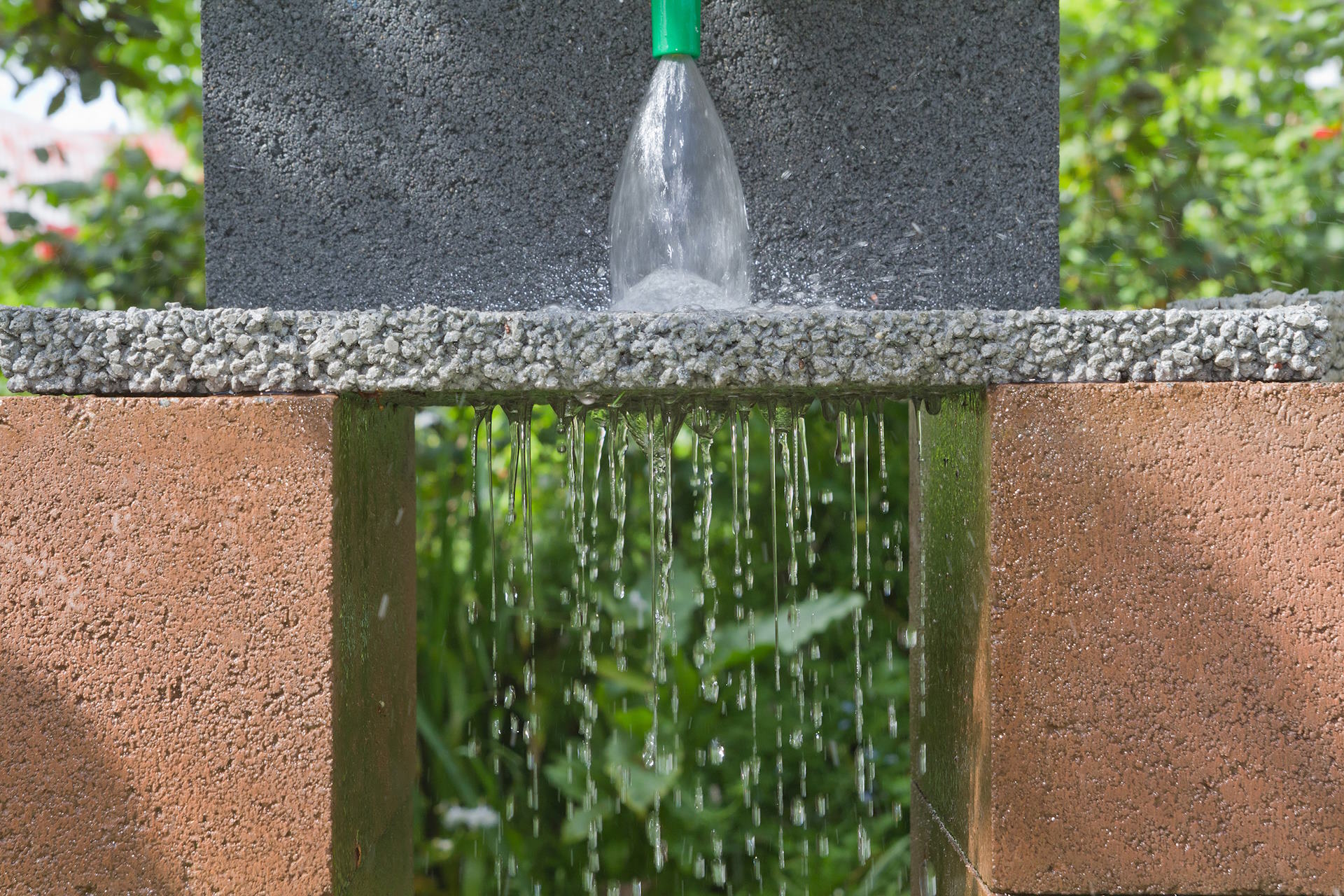
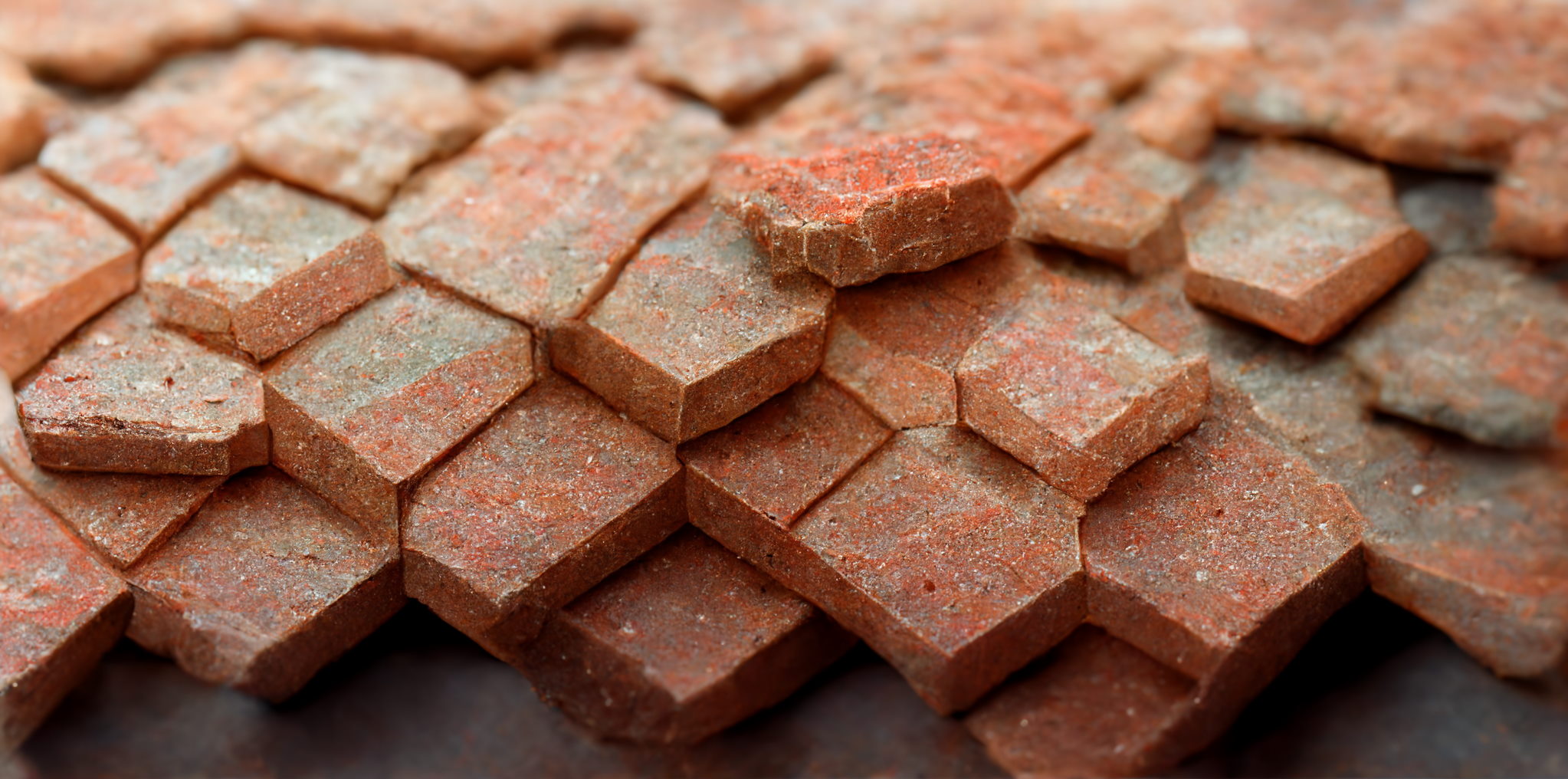
The Breathe Brick is an example of a biomaterial in two aspects: it is synthetic and innovative, but also biocompatible. This brick can function as a passive air filtering system inside buildings. The Bee Brick is another brick, this time designed for bee colonies.
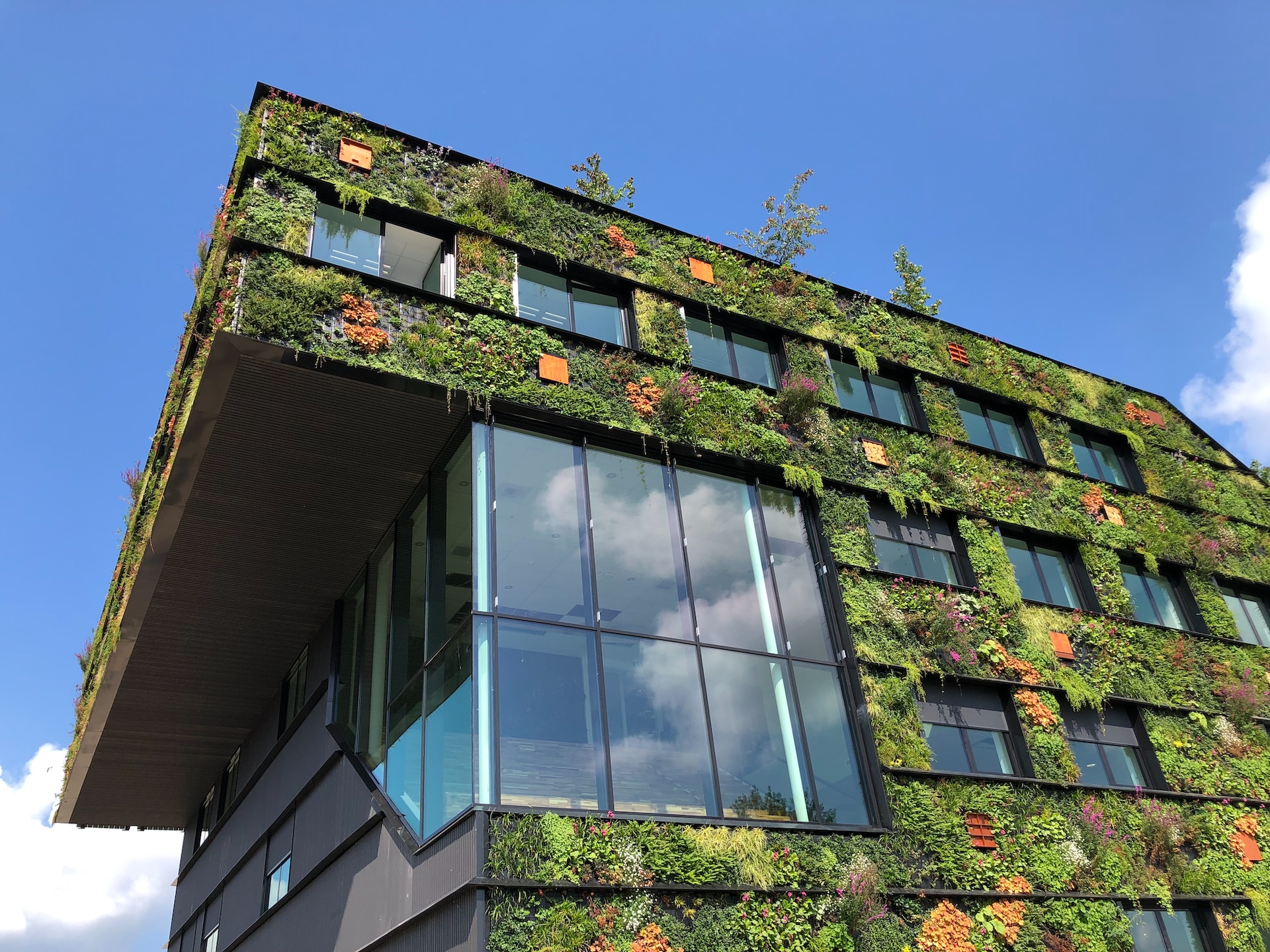
Sustainable biomaterials for cities include projects such as facade systems with microalgae, like the BIQ bio skin, in Hamburg; bricks made with fungi (formally, mycelia); or potato peel as an insulating material.
Circularity of construction biomaterials
The urban metabolism is one of the major pillars of sustainability in and of cities, with a focus on circulating materials to reduce waste as much as possible. In this circularity, materials made up of organic waste are ideal, since they can be reintegrated into the flows of the city, avoiding not only the impact of the waste, but also that of the manufacturing process.
Today, most urban materials used in building infrastructures —concrete, asphalt, steel, clay, etc.— have low recyclability indexes. Although an increasing number of projects are now choosing to reuse this waste, the truth is, it would be much easier if the original materials contained components that allowed this recycling.
Images | M. Martínez Eukidiadas