



Table of Contents
Author | M. Martínez Euklidiadas
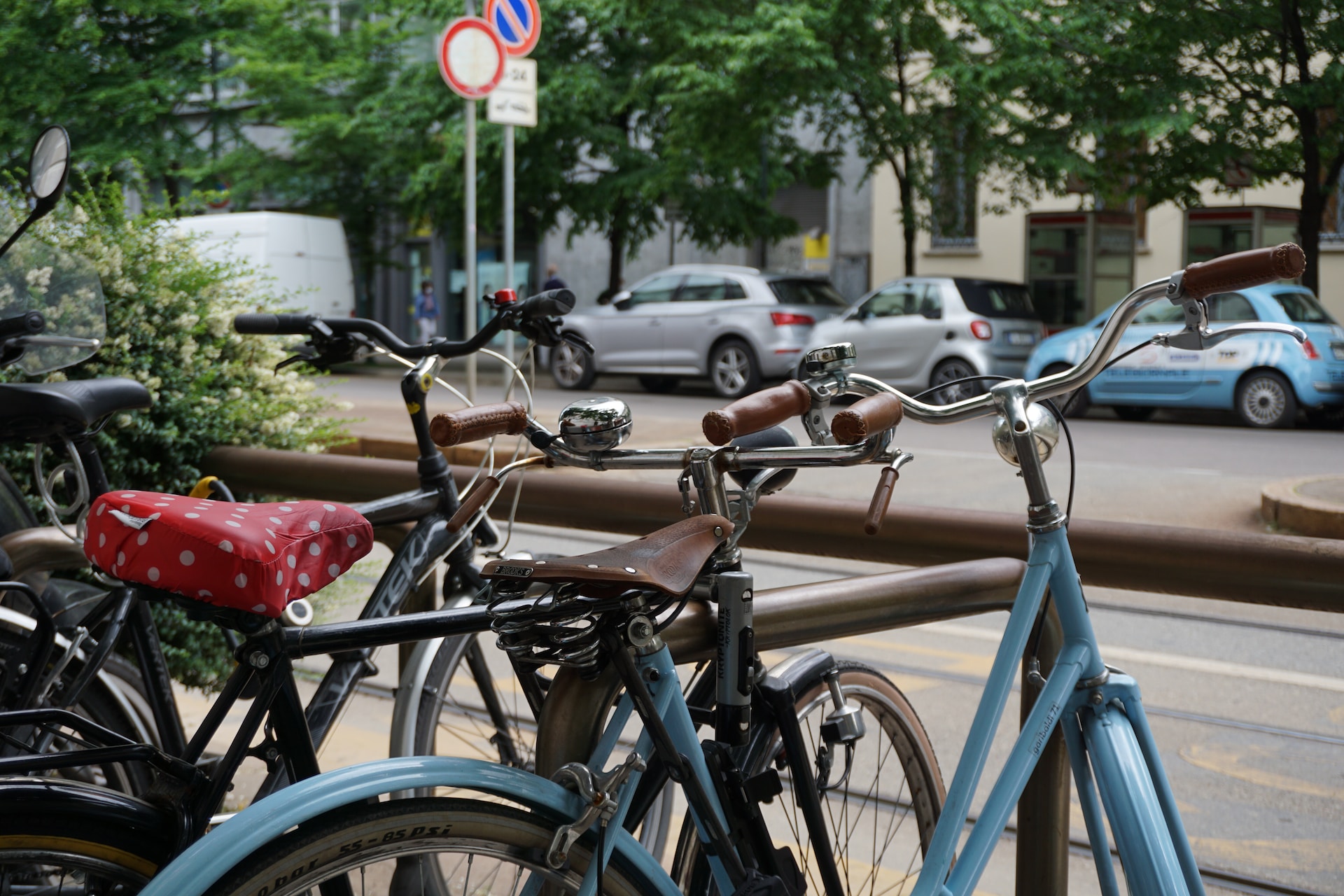
Designing and laying a bike lane is not as easy as painting a line along a road or on the sidewalk. Smart bike lanes are those that are implemented following scientific recommendations. Not necessarily technological, these bike lanes from part of an urban bike lane strategy designed for mass use of bikes as a sustainable mode of transport.
What makes a bike lane ‘good’?
A smart bike lane has to also be: convenient, i.e. help people to get where they need to go; safe,in other words, protected and without any potential dangers; comfortable, with a well-maintained surface and a continuous layout that does not shift in and out of the road or the sidewalk.
Cyclists are also known to value the aesthetic experience of cycling or perceived safety (which is not the same as actual safety), is subjective and plays an important role. A smart bike lane contains all these characteristics, and a few more, such as being wide enough to allow cyclists to overtake or to carry a load.
What is the smart cycling strategy?
The smart cycling strategy is the document that shows the route for the future of cycling as the transport mode within a region. It reports, without having to go into great detail, what two-wheeled active mobility will consist of.
For example, the general lines of Copenhagen’s bicycle strategy 2011-2025 was to alleviate road traffic, paint bike lanes, separate these bike lanes from heavy traffic (including cars) and incorporate green routes. In Spain, this strategy is understood as forming part of the rights of citizens to active mobility and in general those of Europe. In Colombia, the main focus is on cyclist safety. In China, they are trying to return to cyclability by default to improve the quality of life of the population and reduce pollution.
Although an increasing number of countries are building a smart cycling strategy, each one is doing so from a different perspective; and often they learn from one another.
How can people be encouraged to cycle?

Giving people the freedom to move about without having to acquire an expensive vehicle or purchase fossil fuels, begins with building an infrastructure like that mentioned in the first section. But that is not enough.
Institutional support for cycling by the institutions is imperative. Some examples are:
● In the Netherlands, there is a bicycle agreement approved by the entire political spectrum. Clean transport is not considered an issue for debate or confrontation, and it is supported by left- and right-wing parties.
● In Switzerland cycling has been given constitutional status through a referendum. This result was achieved by providing citizens with direct democratic tools.
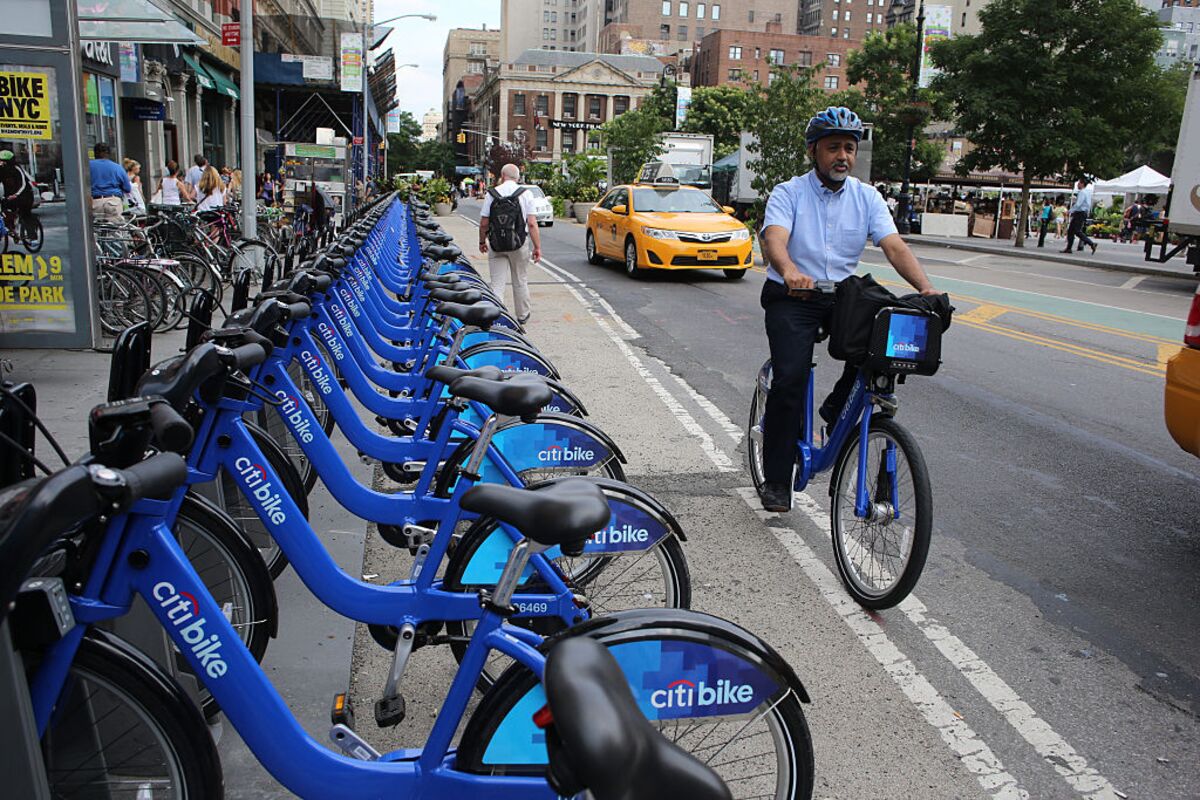
● In New York, cyclists (and other citizens) were given the possibility of forming part of a police process for reporting drivers who block bike lanes.
Towards cycling mobility
Countries that currently use bicycles by default are those that used the oil crisis to change their mobility model. In a decarbonization setting in which fossil fuels are now more expensive than electricity and in which the supply of its derivative products is more unstable, citizens need to demand a new global agreement for cyclable sustainability.
Images | Mark Stosberg, Gokhun Guneyhan