



Table of Contents
Author | M. Martínez Euklidiadas
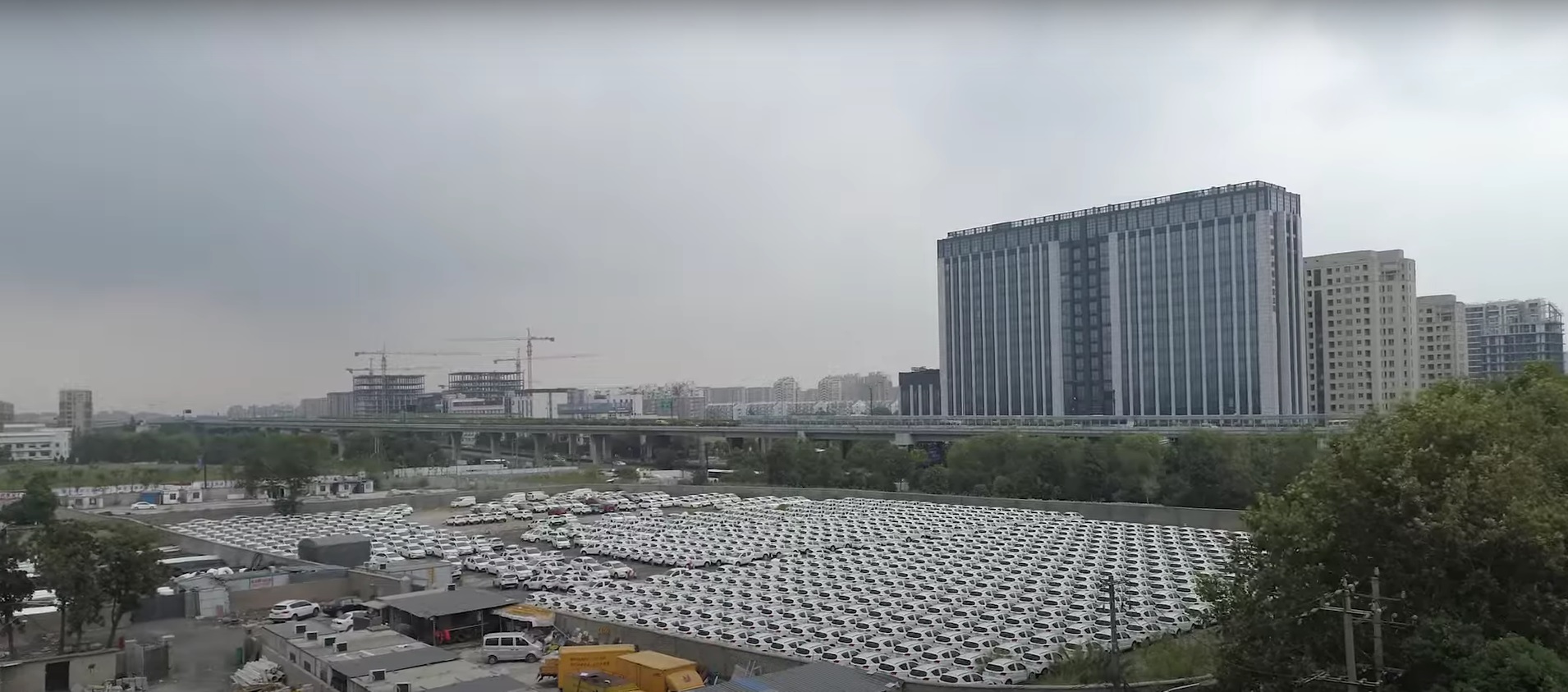
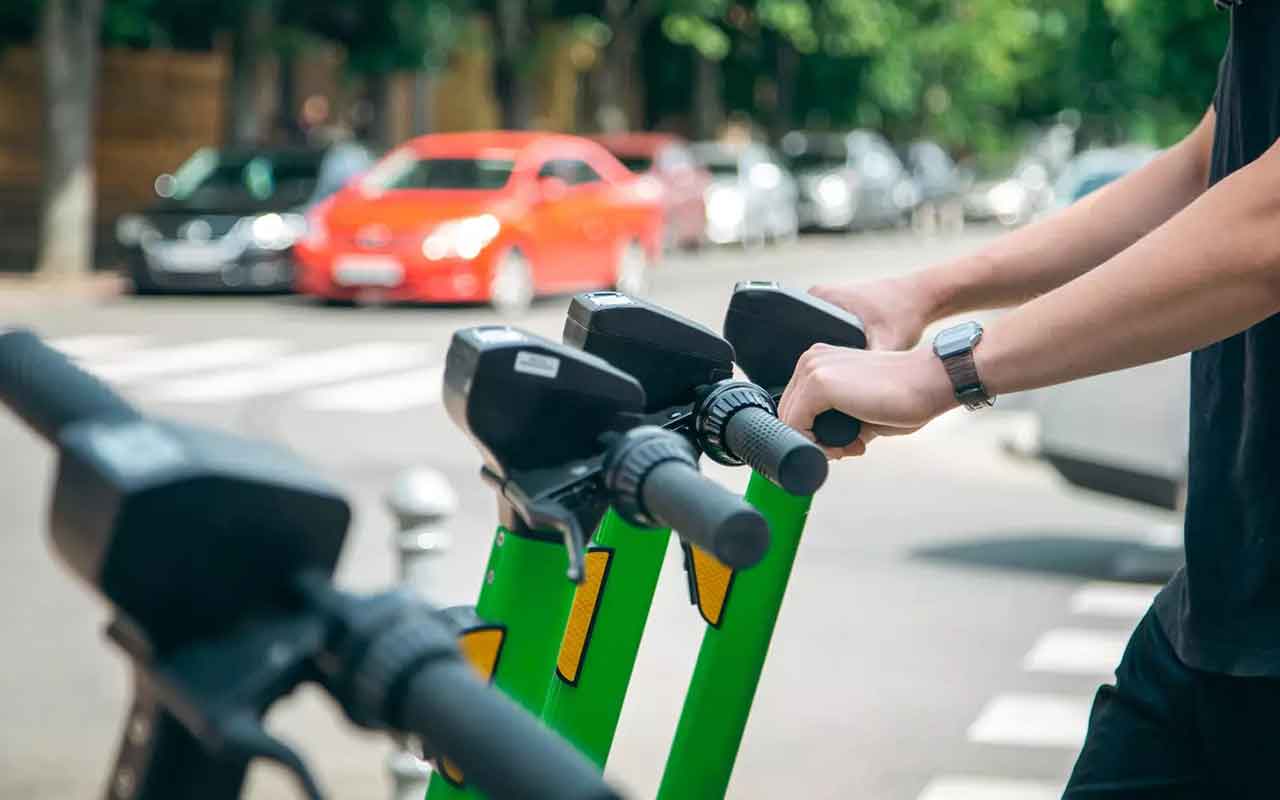
Many cities in 2018 were inundated with personal mobility vehicles rented by companies by the minute, but many gradually or abruptly disappeared, even abandoning entire fleets.
The micro-mobility business, a field in transportation that involves a range of light vehicles such as scooters, PMVs in general or shared bicycles, is just not taking off. What are the obstacles? What are the main failures in terms of implementing this form of mobility, which, on the other hand, is necessary?
Invasion of micro-mobility: the day that scooters took over the streets
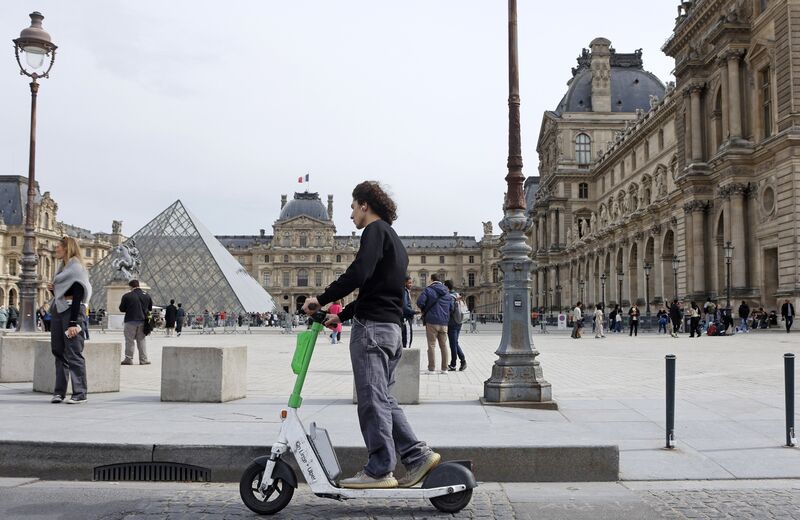
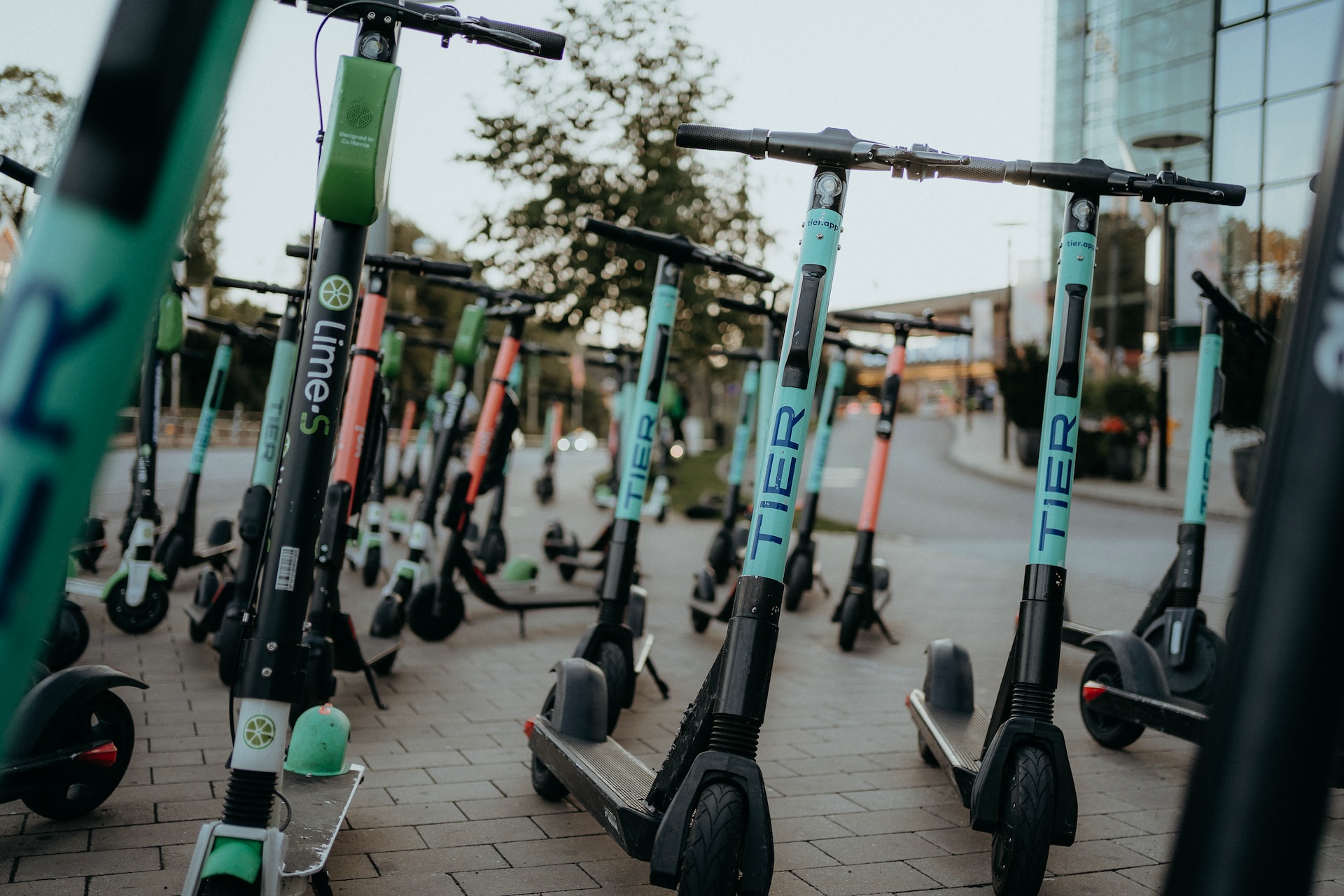
Cities around the world saw how, overnight, dockless electric scooters took over the streets. According to this report, scooters went from being non-existent in 2017 to doing 38.5 million trips in the United States just one year later.
What was going to be a help for urban mobility (they take up very little space on roads and when parked, they are electric and shared) became a nightmare for pedestrians and bothersome for motorized vehicles, who felt their space had been invaded.
Not in my lane! The battle for the urban space with PMVs
Personal mobility vehicles unleashed a territorial battle in a matter of weeks. Although it is a vehicle under any definition, existing motorized vehicles were not particularly prepared to share the road with this form of transport. For many drivers, scooters have become a nuisance like bicycles or light motorcycles.
For almost all pedestrians, who saw sidewalks taken over by dozens of parked scooters, it became a problem of accessibility and even safety: when PMV drivers discovered how unsafe it was to drive with cars, they started using sidewalks, making these unsafe.

Regulations for scooters arrived ‘very’ late
Urban legislators were inundated with complaints from all sectors of the population. Car drivers were asking for them to be taken off the streets and would run over (unintentionally) PMV drivers, motorcyclists complained about them using their parking spaces, pedestrians and cyclists were injured and sent to ER or they were unable to walk along the sidewalks. This posed an added accessibility problem for visually impaired people, older people, people with reduced mobility, people pushing strollers, etc.
Furthermore, in nearly all countries, scooters were classified as bicycles in terms of specific legislation, which translates into people without any form of driving license being able to drive these vehicles, which can reach speeds of 50 km/h in many cases, carry a second passenger, ignore road signs, etc., all without having to take out third party liability insurance.
But when the regulation was published in some countries of Central Europe, the love-hate relationship with this form of transport was already being felt, and public opinion was partially against the implementation of large fleets of scooters, including mobility experts, when they discovered that scooters could substitute walking trips without attracting too many drivers.
There is no doubt that shared personal mobility vehicles, i.e. belonging to private companies operating on a rental per minute basis, could actually relieve road traffic congestions when the alternative is to go by car, although it is not really a help when those users used to walk. Finding the balance between modes of transport is one of the challenges of 21st century cities in their journey towards pedestrianization.
Images | Ernest Ojeh, Jonas Jacobsson