



Table of Contents
Author | Jaime Ramos
While the transition towards a more sustainable form of road transport is visible and palpable, air transport, given its specific features, is encountering challenging obstacles. Could aviation be completely decarbonized and sustainable?
Why do we need sustainable aviation?
Although the figures are disputed and hard to tally on an absolute scale, calculations indicate that aviation accounts for 2.5% of global greenhouse gas emissions. If we focus on the European Union, where reliable data have been collected for years, its executive summary states that aviation accounts for 3.8% of total CO2 emissions in Europe. This sector accounts for 13.9% of the emissions from transport and is second only to road transport, with the well-known harmful effects this has on climate, ecosystems and human health.
Given this situation, the industry and Institutions are looking for new sustainable aviation models to drastically reduce emissions. One of the many objectives established by the EU for 2035 is to offset around 80% of the emissions above 2020 levels.
Is sustainable aviation possible?
Sustainability in the aviation sector involves taking into account everything involved in this mode of transport. These are some of the most promising areas.
Sustainable aviation fuels
Sustainable aviation fuels (SAF) are more than just a category that includes fuels that are less polluting. Since this is a certification with a global impact granted by independent entities.
Issuers of the SAF certification verify that fuels comply with minimum sustainability requirements, particularly, in terms of the source of raw materials. According to the IATA, the chemical and physical characteristics of SAFs are almost identical to conventional fuels. This allows them to use the existing infrastructure and even to be mixed with old fossil fuels. In fact, the sector’s objectives include the use of these fuels reaching 10% by 2030.
Hydrogen-powered aviation and electric aviation
In terms of considering the sustainable alternatives available for aviation today, the aforementioned SAFs should not be confused with other fuels such as hydrogen. Since, as in the automotive industry, the use of hydrogen-powered planes with or without fuel cells, or electric planes, entail a qualitative change in propulsion and distribution technologies.
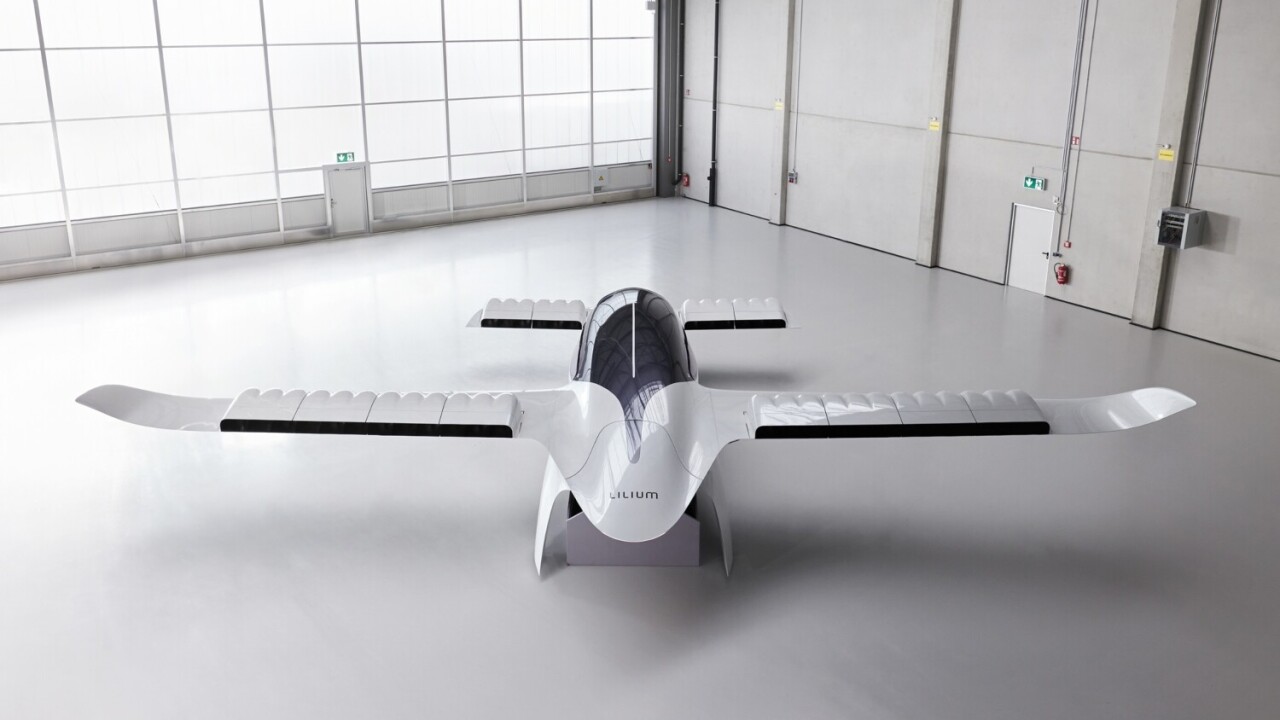
However, the options are not exclusionary. For example, Airbus has recognized that its road map prioritizes hydrogen, complemented by SAF. In terms of the electrification of fleets with electric and hybrid aircraft, developments are still in early stages. However, they have their own niche, as illustrated by Urban Air Mobility and EVTOL.
Sustainable airports and carbon sequestration

Carbon neutrality in the aviation sector involves all stakeholders. With a focus on airports, there are classic examples around the world, such as the case of Stockholm’s Arlanda Airport or Oslo’s airport, which was the first to offer biofuels in 2016.
There are also techniques that seek to "close the loop". For example, United Airlines is going to invest $15 million in a technology which, based on the carbon sequestration technique, fosters the production of SAF. What is clear is that the sector has reached a crucial point in terms of finding technologies aimed at making aviation sustainable.
Images | Ross Parmly, Wikimedia.commons/curimedia