



Table of Contents
Author | Jaime Ramos
Private or public transport? By car or by bus? The new mobility services and technologies, such as MaaS, are not just designed to respond to these questions, but rather to propose other more appropriate ones. What is it and how will it integrate with the traditional concept of mobility in cities?
What is MaaS?
MaaS is a mobility service that enables users to plan, execute and pay for a door-to-door journey. To offer the service, it uses a digital platform, like an app and different subscription methods. MaaS refers to the concept Mobility as a Service.
What is MaaS based on?
Mobility providers developing these types of solutions are not particularly set on using one specific mode of transport or another. This falls within a traditional concept of urban mobility.
MaaS) is based on and its business functions thanks to other technologies, such as mass data management. This enables complex transport flows like those in major cities to be redirected in a more efficient and predictive manner. Its development requires the unification of interests in four areas: that of the infrastructure providers, digital technology developers, operators and managers and local authorities.
Most experts and analysts predict that MaaS will experience significant growth in the coming years. Allied Market Research estimates that this form of Smart mobility services will double their profits in six years to exceed $70 billion by 2027. For that year, MaaS have their eyes set on the results obtained from the various self-driving modalities.
Effects, consequences and advantages of MaaS?

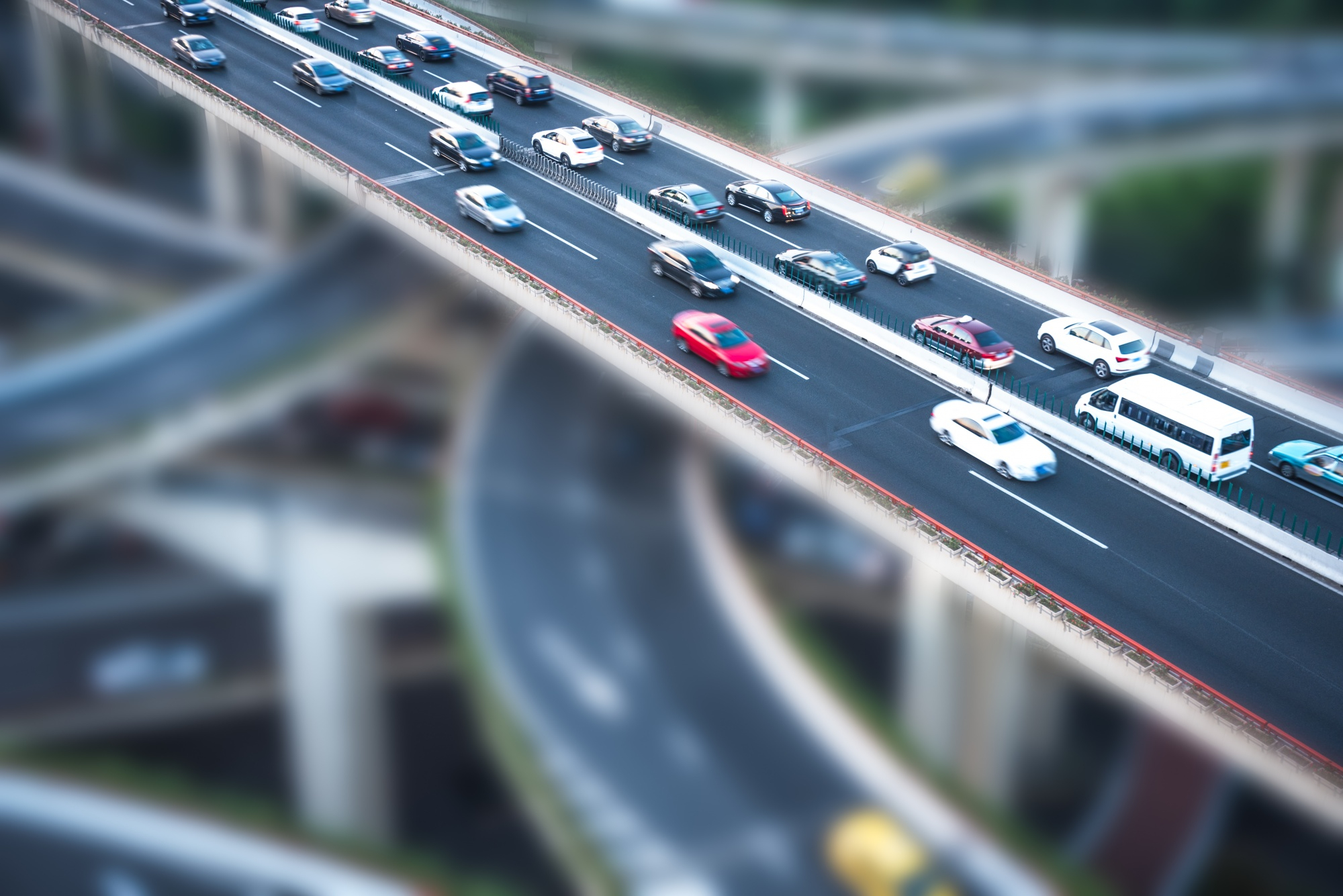
The most direct consequence of this transition towards a smarter and tele-assisted mobility network will be the drop in the use of private vehicles. Because MaaS will directly target the statistics that demonstrate how long private vehicles are inactive. For example, according to Seoul’s UITP, cars are parked there 92.3% of the time.
Can public transport be integrated with MaaS?
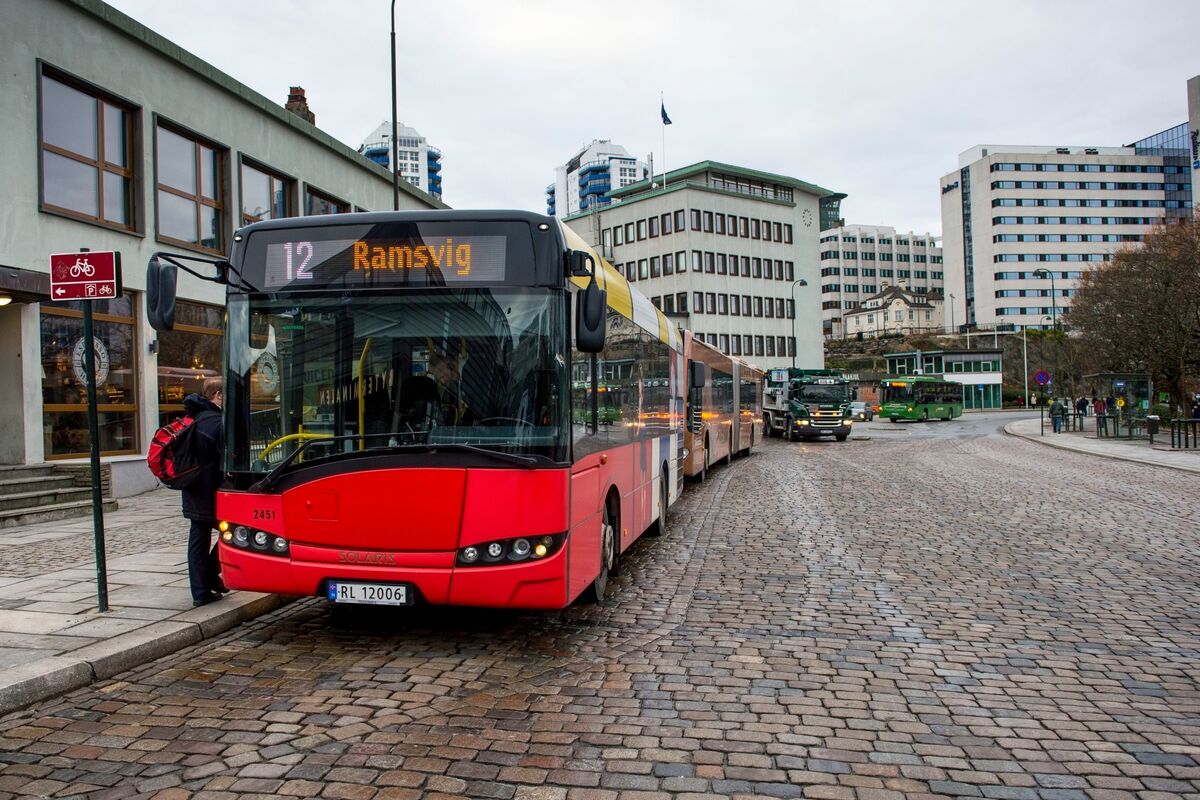
However, the MaaS platform strategy does not plan to do away with traditional modes of transport. Public transport has demonstrated clear sustainability and cost advantages. MaaS may affect it, in part, as a business, but at the same time it is set to elevate some of its strong points in combination with future technological alternatives.
Helsinki is a small-scale example. The Finish capital first introduced a MaaS service in 2016, through the Whim application. This has been the gateway for various multi-modal mobility packages and prices: from family packages for various members, to various commuter profiles. What was clear was its positive effect for public transport, with an increase of 28% in the number of journeys that used it.
As in Helsinki, other major cities are also implementing their MaaS strategies with the collaboration of their public transport services. Unsurprisingly, the UITP itself has its own transport data monitoring project (City Transit Data), which includes the analysis of the introduction of MaaS in 19 cities. Of these, Barcelona, Berlin, Hong Kong, Madrid, Montreal, Moscow, Singapore, Stockholm and Vienna already have MaaS services.
Images | Freepik/pvproductions and Freepik/pressfoto