



Table of Contents
Author | Jaime Ramos
Although the transition towards electric vehicles is underway, it will still be a few years before the streets can enjoy the ‘whistle’ of electric vehicles instead of the noise of internal combustion engines. In fact, this may never even happen, or at least not as we may imagine.
The electric vehicle: a growing market
During the previous decade, electric vehicles were put forward as a solution to improve air quality in cities. Pollution from traffic was (and is) a pressing public health problem affecting the wellbeing of urban areas.
The production of greenhouse gas emissions aside, in the end, 100% electric vehicles save cities from the most toxic tailpipe emissions. Therefore, car manufacturers, incentivized or pressured by European, American and Chinese authorities, have changed their strategies and some are already looking at dates when they will only offer electric vehicles.

The global market, driven by the three territories mentioned above, has begun its electric expansion. In 2022, 10.5 million plug-in vehicles were registered worldwide, 55% more than in 2021, increasing the market share of electric cars to 13%.
Cities are at the center of the electric revolution
The change in the urban mobility model is absolutely related to the increase in sales of electric cars. The approach is not just limited to toll areas or restricting thermal vehicles, but rather, some are considering a total ban. This is the case in more than thirty regions. In Paris, for example, they aim to phase out all thermal vehicles by 2030.
Urban obstacles and challenges for electric vehicles

The trend leads us to question whether cities and their residents are prepared to say goodbye to internal combustion engine vehicles in just a couple of decades. Among the main challenges, obstacles and questions that are still unanswered, are the following:
- How will the new electric fleet be powered in a sustainable manner? Is the power grid prepared?
- The price of electric vehicles is still high and although prices are expected to drop, it is still not clear when this will happen.
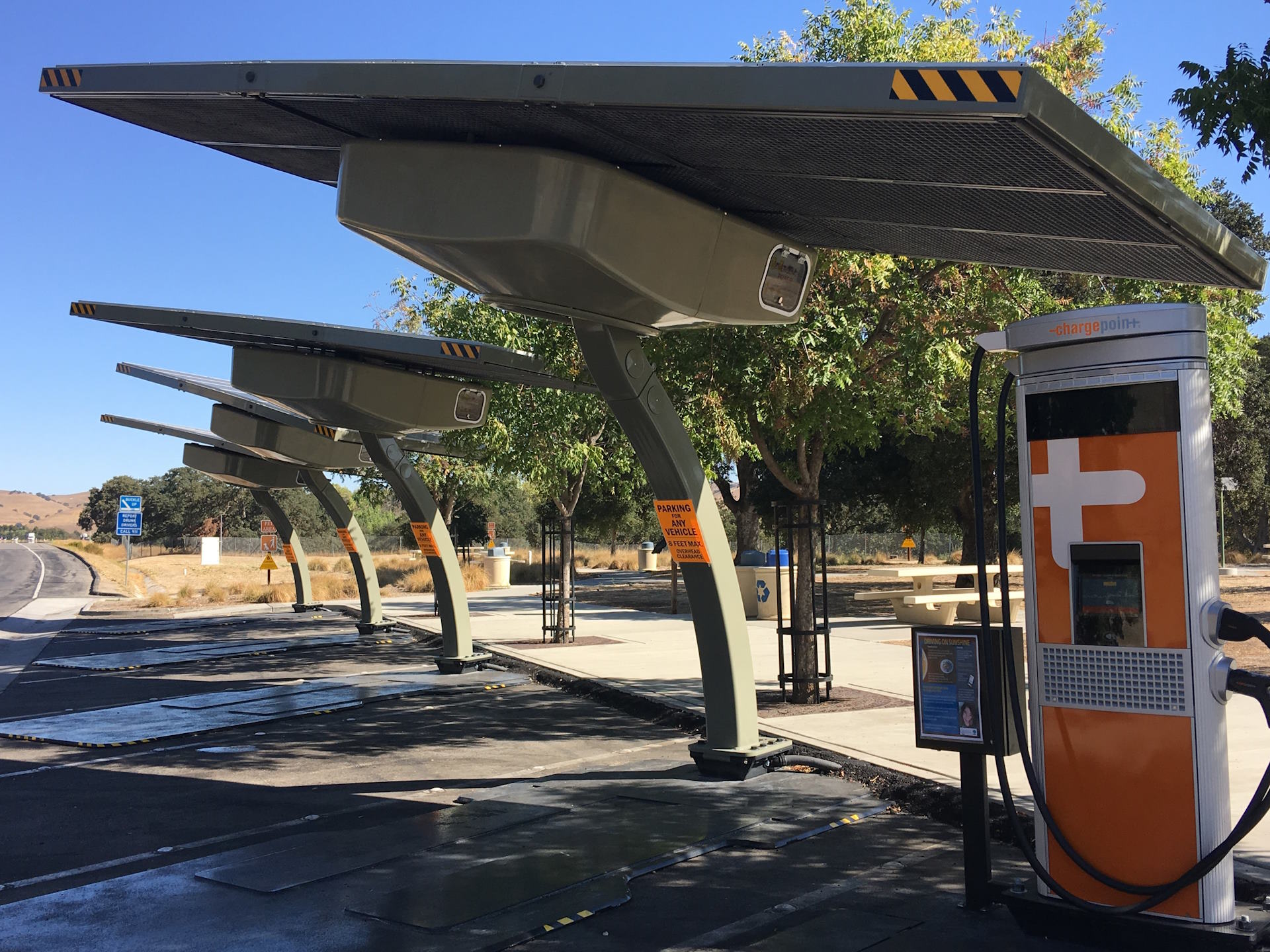
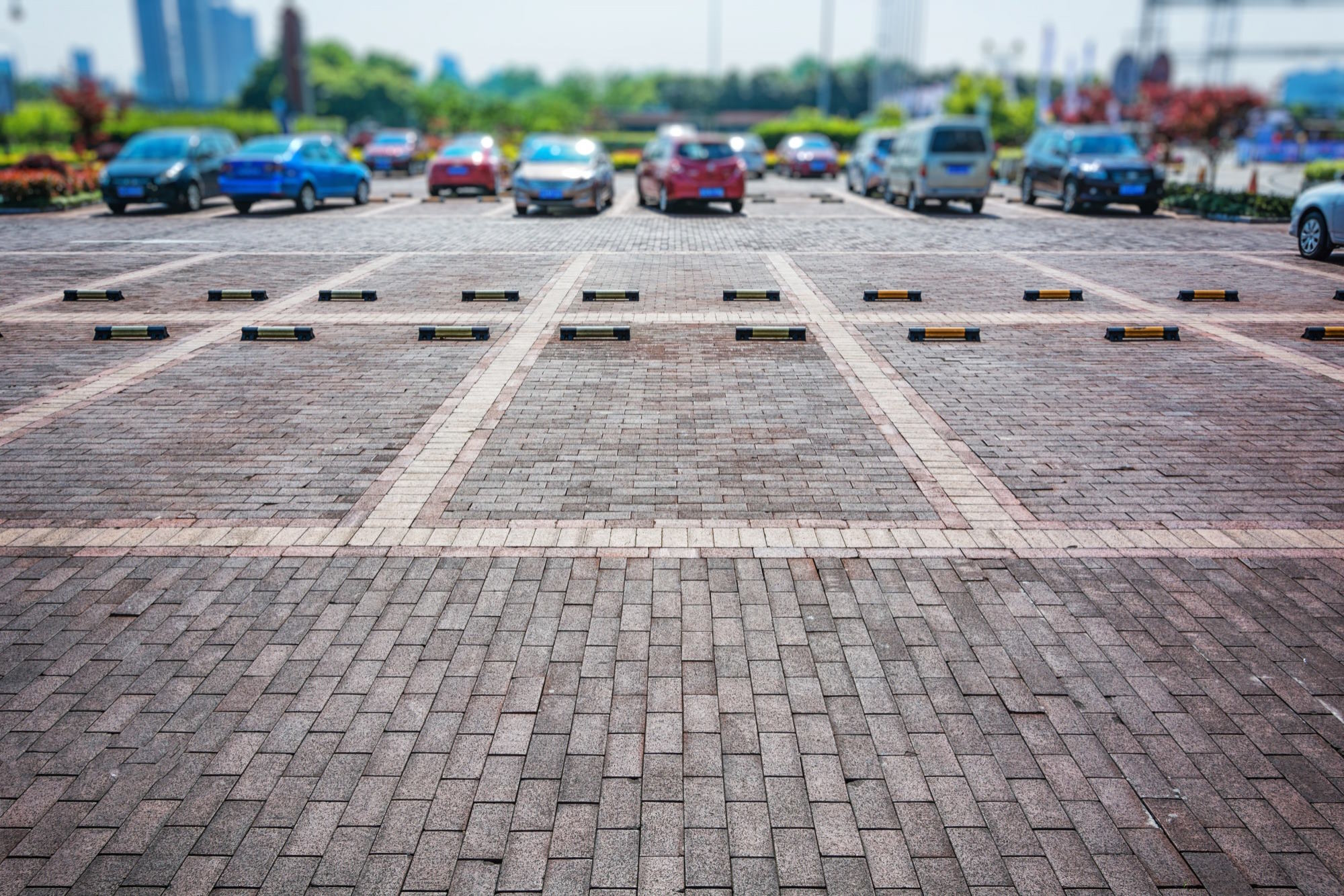
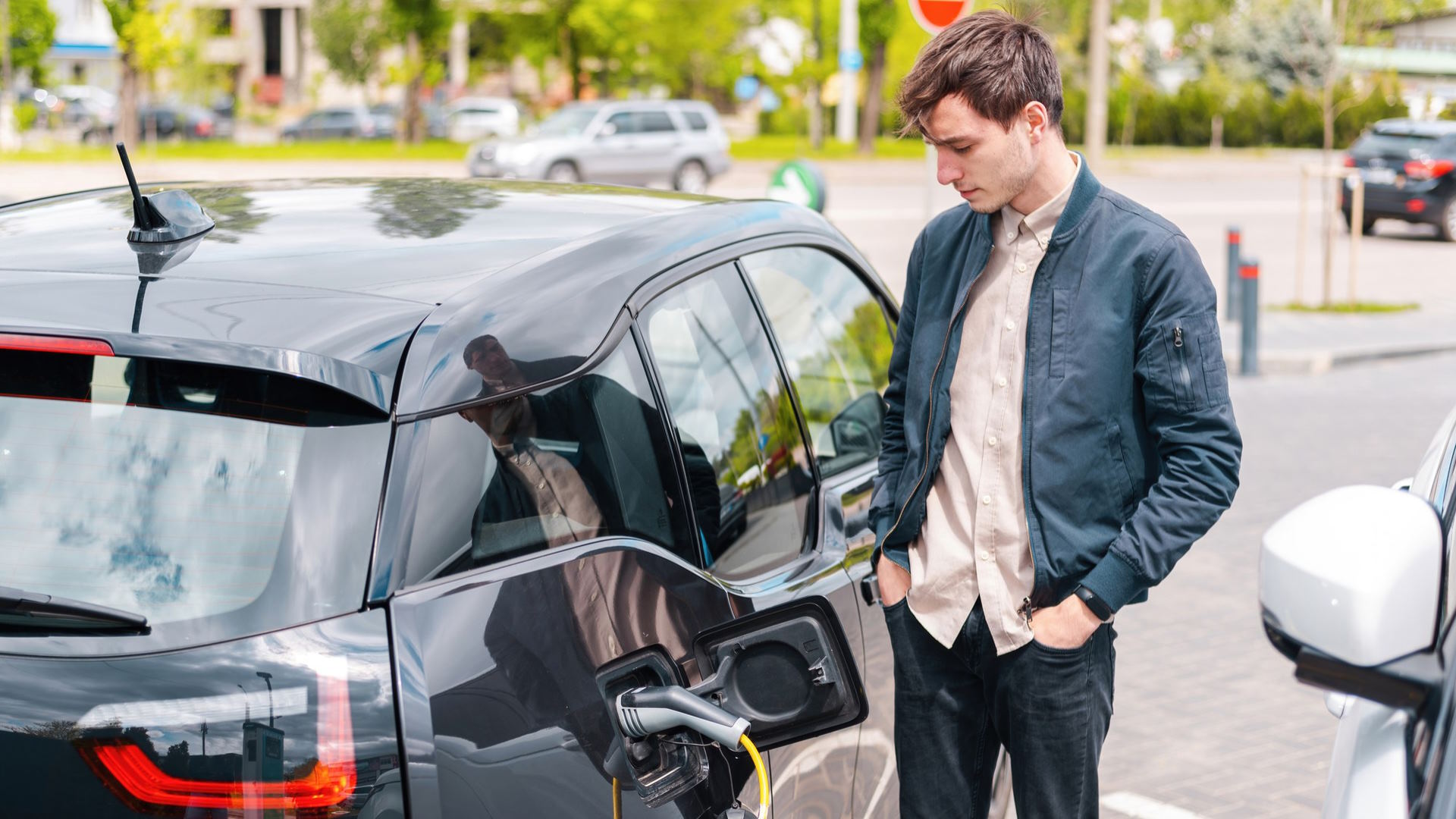
- To date, private charging exceeds public charging. This is related to a particular issue, which has still not been resolved, how will residents charge their vehicle in cities that do not have a parking space?
Ban… electric vehicles?
In light of this situation, many cities or territories are reconsidering their strategies. In Switzerland, for example, they are studying regulations to ban the use of electric vehicles in the event of a power shortage.
In other parts of the world, the war against electric vehicles is leading to a protective attitude towards the local oil industry. This is the case in Wyoming (US), where the authorities plan to ban and/or restrict, not internal combustion engine vehicles, but rather electric vehicles.
Apart from these somewhat more extreme cases, the essence of the matter is to modulate the transition. Each stakeholder has a role to play in an area in which, we must not forget, sustainability must be at the forefront. Because, the future of the electric vehicle is not entirely clear, with key markets such as China or Norway restricting public subsidies, or senior executives in the industry warning of possible crises as a result of accelerating the transition.
Perhaps, the answer lies in the fact that electric vehicles are not so much an end, but rather an instrument within the clean mobility models. Perhaps urban mobility will benefit from a change in the classic dependence on private transport, instead of just simply changing the engines that drive vehicles.
Images | Freepik/fremufilms, IEA, Freepik/freepik