



Table of Contents
Author | Lucía Burbano
After a massive and, to a certain extent, chaotic and controversial deployment, cities are starting to regulate micro-mobility devices to generate a space in which pedestrians and other means of public and private transport can coexist. Paris and Los Angeles took the first step. The French capital is considering a referendum to determine the future of micro-mobility.
What are micro-mobility devices?
The need and obligation to decarbonize our cities is leading to the creation of zero emission transport models. This, together with the speed at which the small micro-mobility devices allow us to get around cities, explain their popularity.
Although there are numerous types, micro-mobility devices share a series of characteristics:
● They are light: they do not exceed 500 kg in weight.
● They are ‘clean’: apart from having 0% emissions, they do not emit noise.
● Speed suitable for cities: they move between 25 km/h and 45 km/h.
● Easy storage: their size and weight mean they can be parked practically anywhere.
● They use a motor, in this case an electric engine.
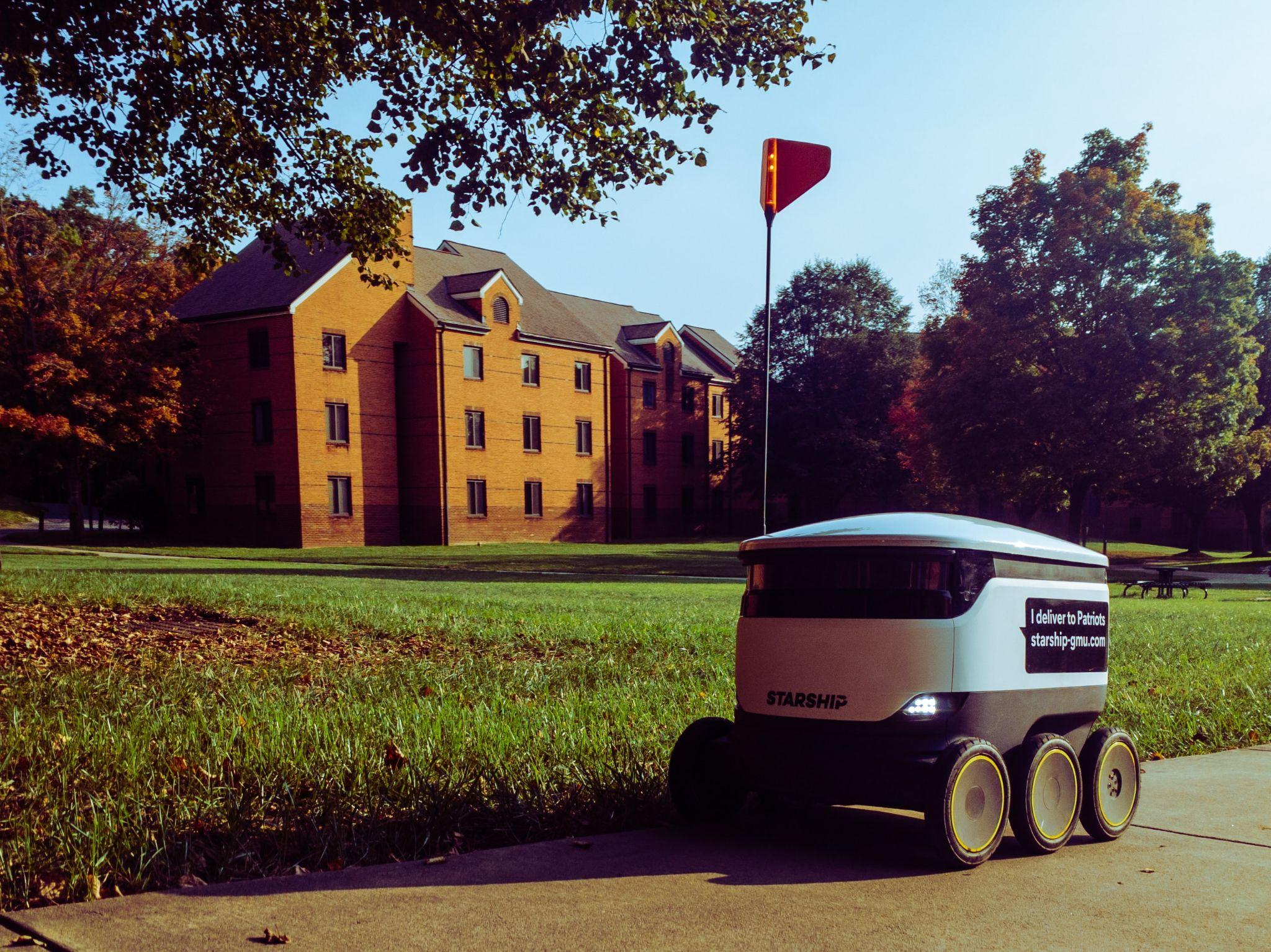
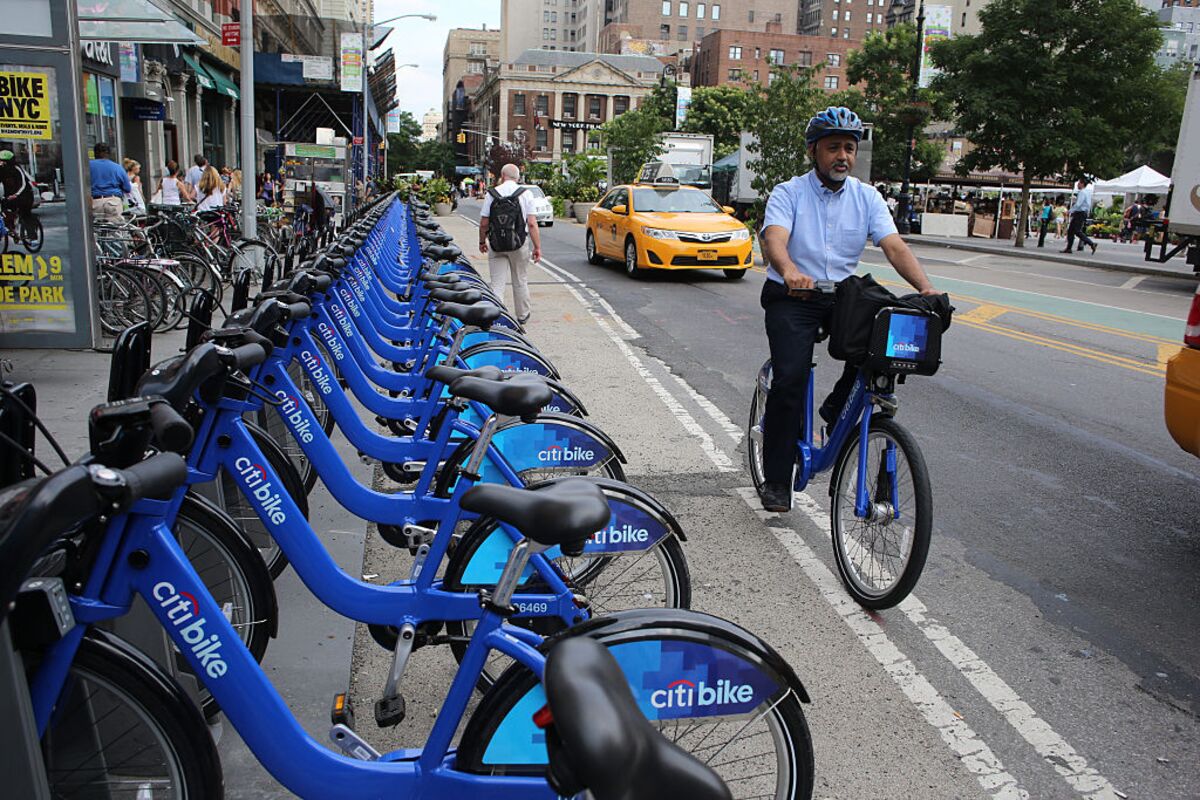
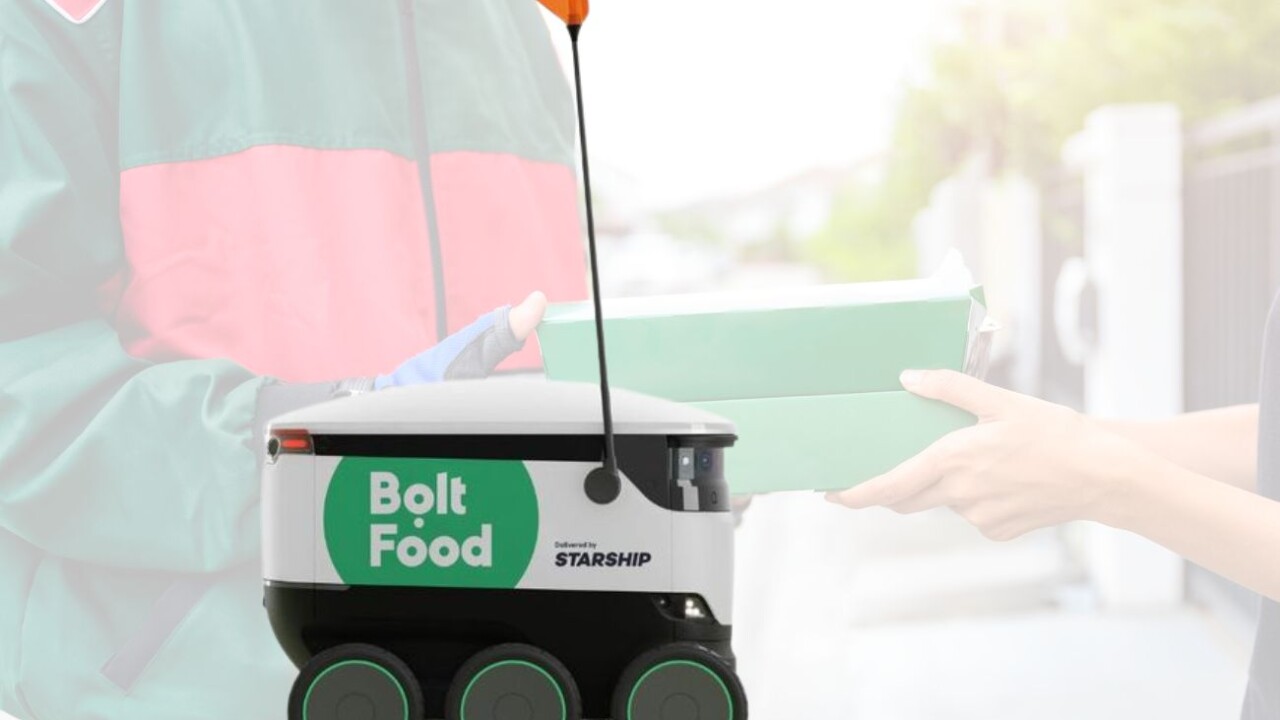
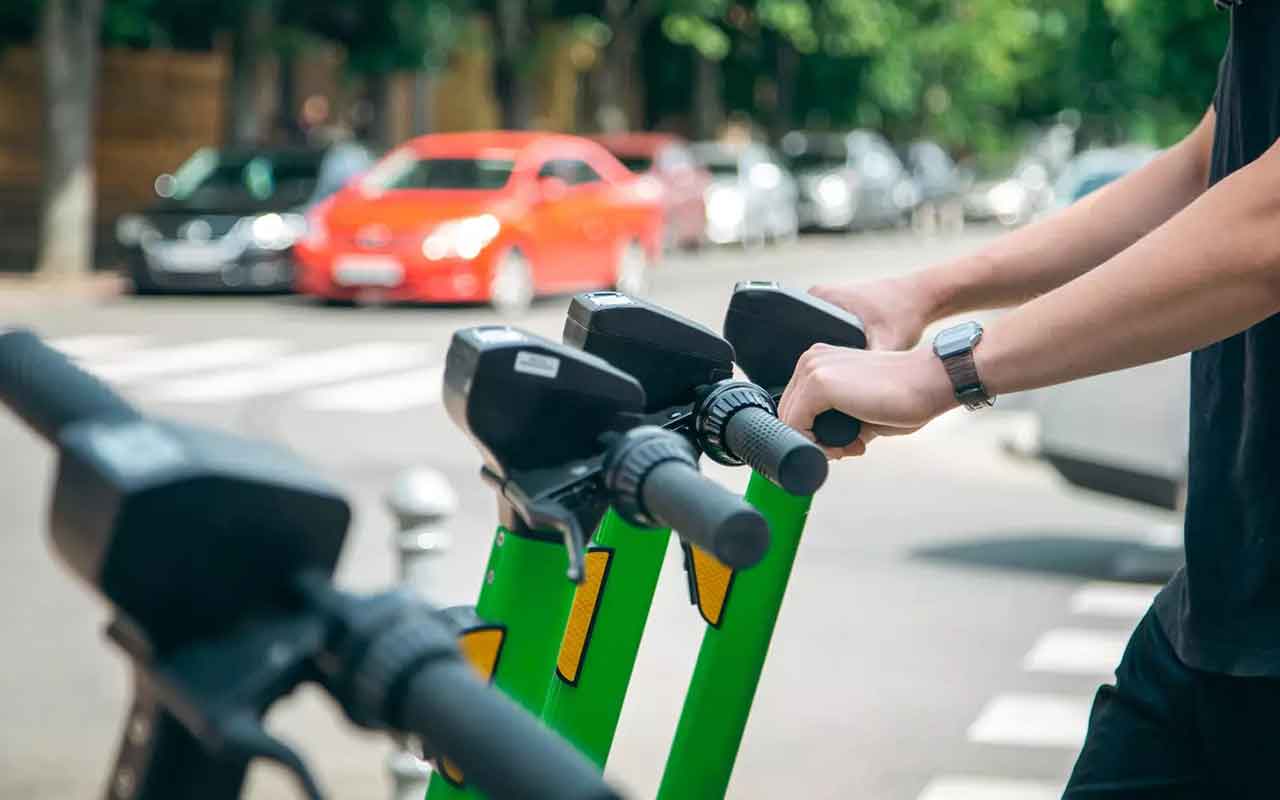
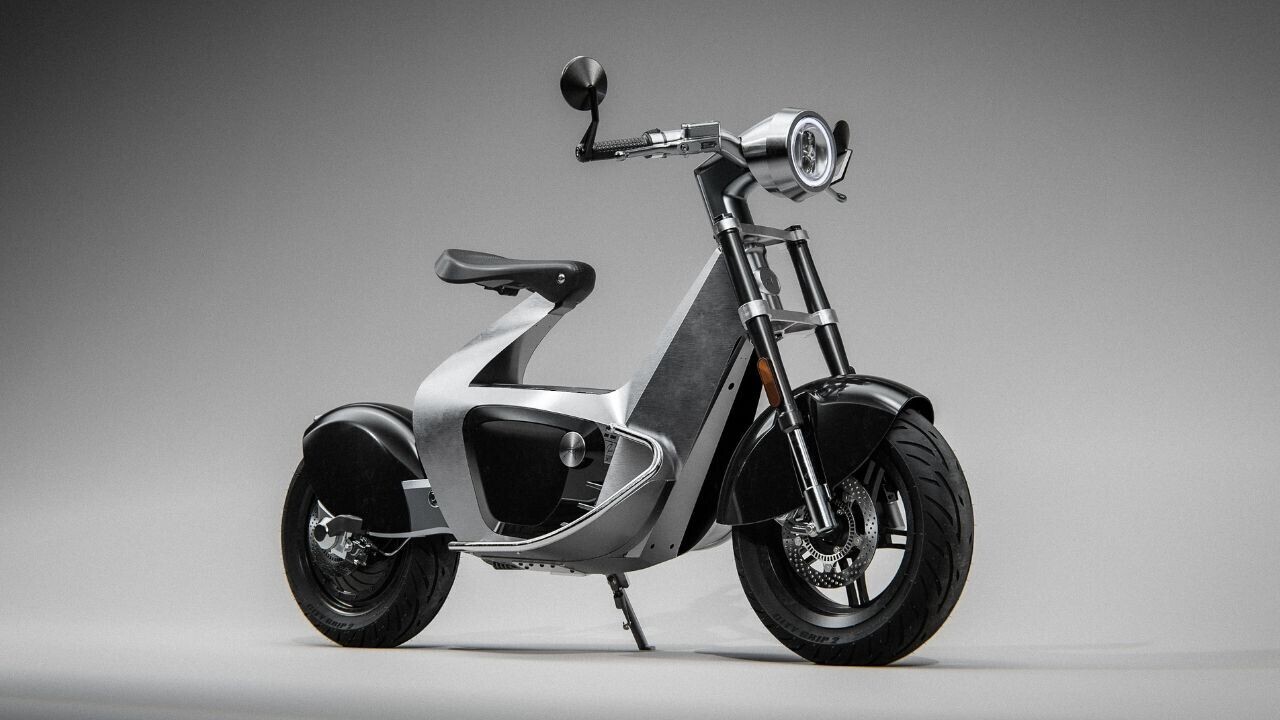
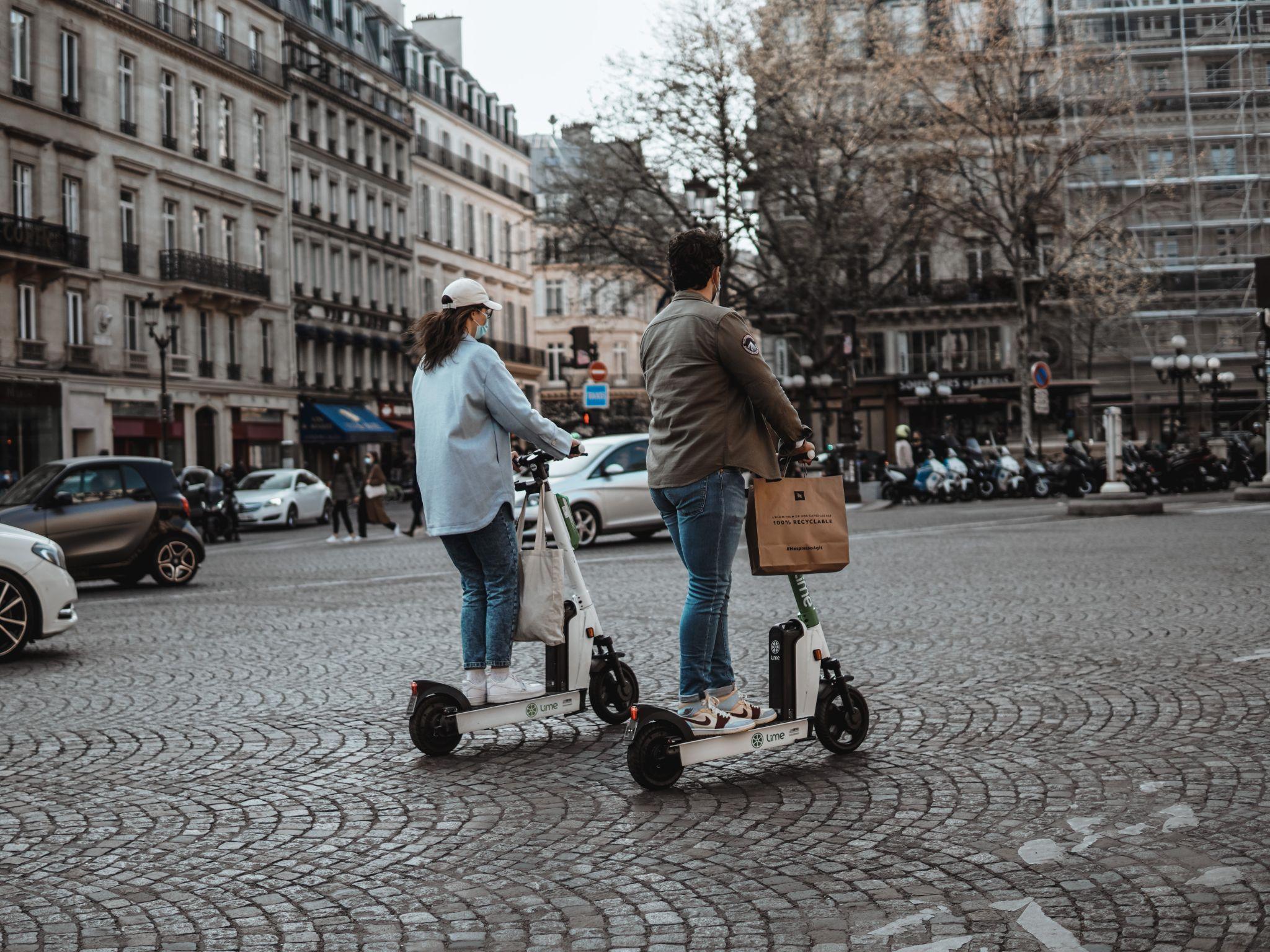
Scooters and powered bicycles and motorcycles under 50 cc are the most common examples of micro-mobility. Skateboards, pedelecs or golf carts also fall within this category. They must not be confused with minimobility vehicles.
The impact of micro-mobility in cities

One thing is clear, micro-mobility devices, they get everyone talking: you either love them or hate them. The reason is possibly the lack of regulations governing their use in urban environments.
The positive and negative aspects of micro-mobility include the following:
It will speed up the progress towards transport electrification
Despite still having to overcome a series of challenges, it would seem that the electric vehicle will take center stage in cities as it is a zero-emissions energy. In this regard, micro-mobility is an ally for speeding up the implementation of charging points, for example.
It diversifies transport options
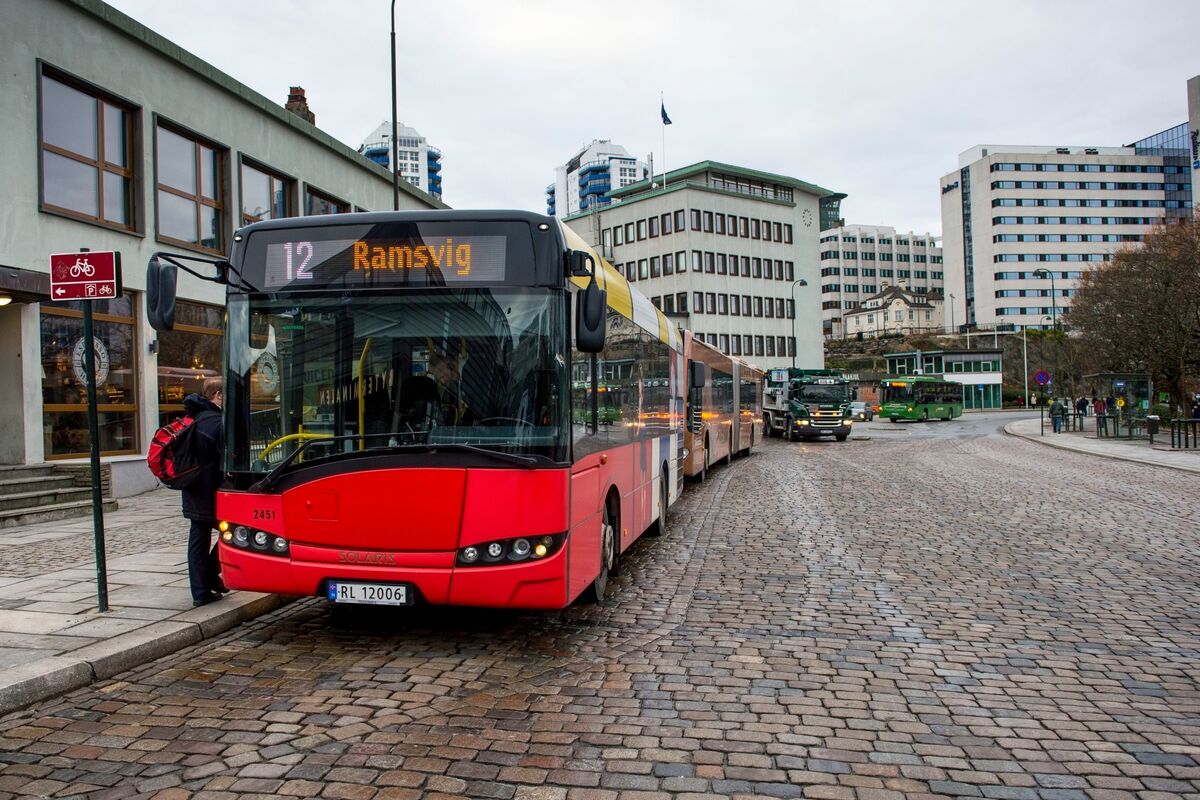
A city needs mixed transport options adapted to the various requirements of its residents. The coexistence of cars, buses, scooters and pedestrians is not impossible, but it does not appear to be easy to regulate.
The occupy pedestrian space
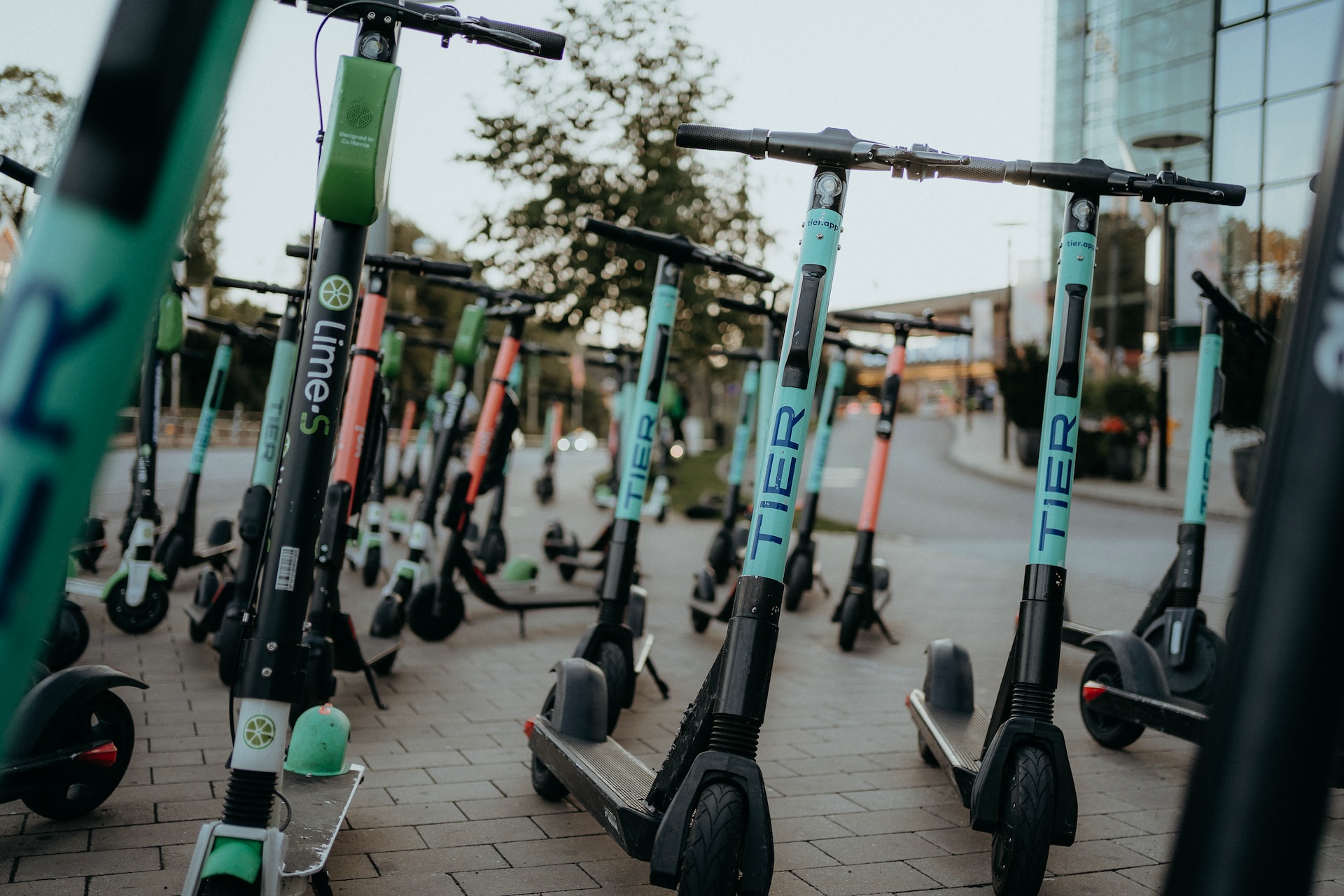
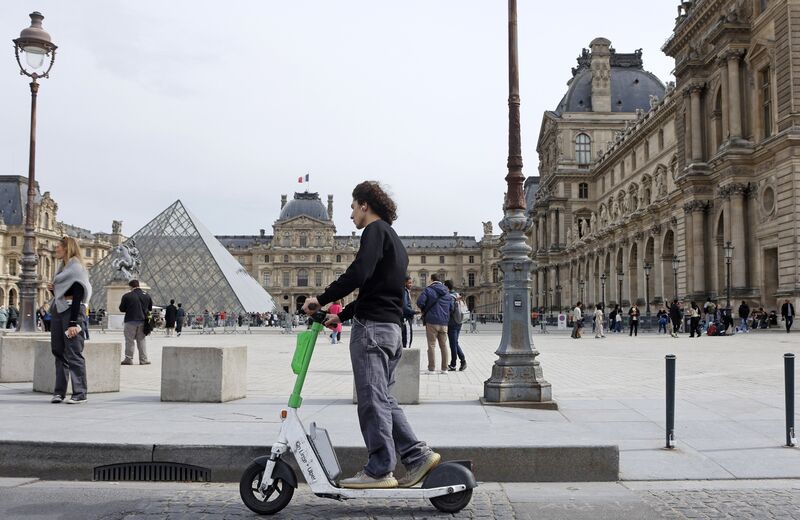
Scooters tend to use spaces intended for pedestrians, both to use the devices and to park them, generating conflicts between users.
The micro-mobility problem in Paris
Paris has proposed a referendum for its residents to ban rental e-scooters. "My idea is to put an end to the presence of these vehicles on our streets" Anne Hidalgo told Le Parisien. The Mayor’s argument is that these devices create divisions among residents.
Her statements refer to a context of antisocial behavior. The city is still receiving complaints about users, normally tourists, who use the scooters on sidewalks, they abandon them in parks and even throw them into the Seine River.
The French capital previously restricted the number of licenses given to operators to three, but now they want to go a step further.
Los Angeles: a regulation that creates divisions
The transportation committee of the Los Angeles City Council approved a new and strict regulation governing the distribution and use of micro-mobility, which includes measures that the suppliers of these devices do not agree with. For example, a fee per ride, established at zero in low-income areas and 40 cents per ride in more popular destinations.
Photographs | Unsplash/ Vlad B, Unsplash/Michel Grolet