



Table of Contents
Author | Jaime Ramos
Roads and infrastructures are related to the mobility revolution. They form an essential part of the breeding ground for the technological advances we are seeing in the transport sector, with milestones such as self-driving cars, the drastic reduction of emissions and ending road traffic accidents.
This situation has led to the concept of smart roads. They are the pillars of smart mobility which is already offering benefits on a global level. Areas that have introduced smart transport systems are already seeing the benefits such as cuts in commuting times by an average of 15%-20%, which in turn has led to a 10% reduction in on-road emissions, and a drop in traffic accidents.
What are smart roads?

The definition of Smart roads is multifaceted and integrates the application of various information and communication technologies associated with mobility and related to connectivity, big data analysis, road safety and sustainability.
What are the technologies behind smart roads?
Smart roads, IoT and Big Data

Behind these technologies, IoT is perhaps the resource with the greatest potential for road infrastructures and which could lead to the most practical applications.
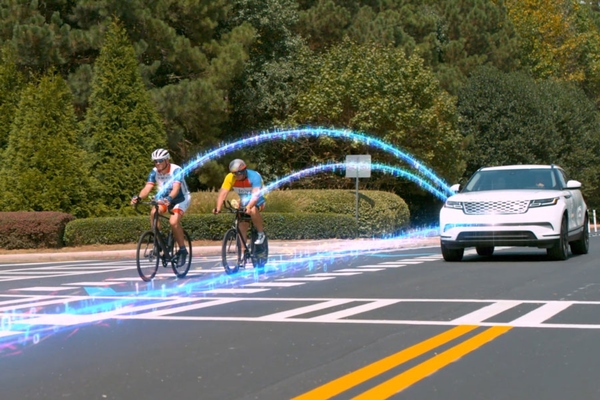
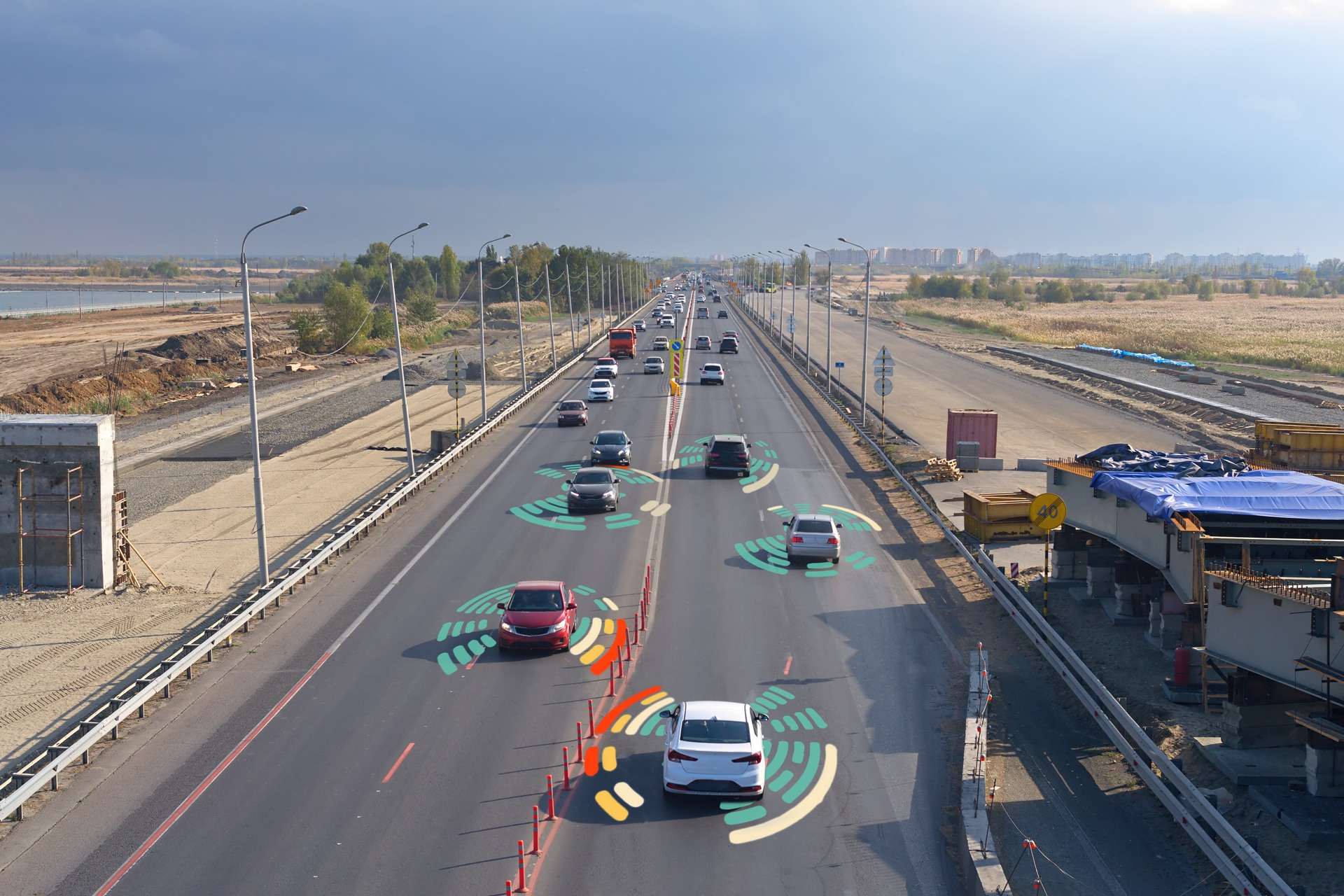
The Internet of Things is where the seed was planted in the past decade, when the V2I (Vehicle to Infrastructure), V2V (Car to Car), V2P (Vehicle to People) and V2N (Vehicle to Network) technology models were developed. The practical advantages of that theoretical framework started to be seen thanks to the introduction of 5G.
Once sensors were deployed that were capable of transferring relevant information about what was going on at any given time and on every point of a road or a street to a virtual environment, the big data analytics tools opened the way to a new form of traffic management, enabling systems such as smart traffic lights.
Energy-generating roads
Another principle of smart roads is based on sustainability. The aforementioned data management also enables the development of smart lighting systems; or projects such as Malaysia’s smart tunnels, capable of adapting to climate variability.
Solar roads are an even more extreme and complex challenge of this same assignment.
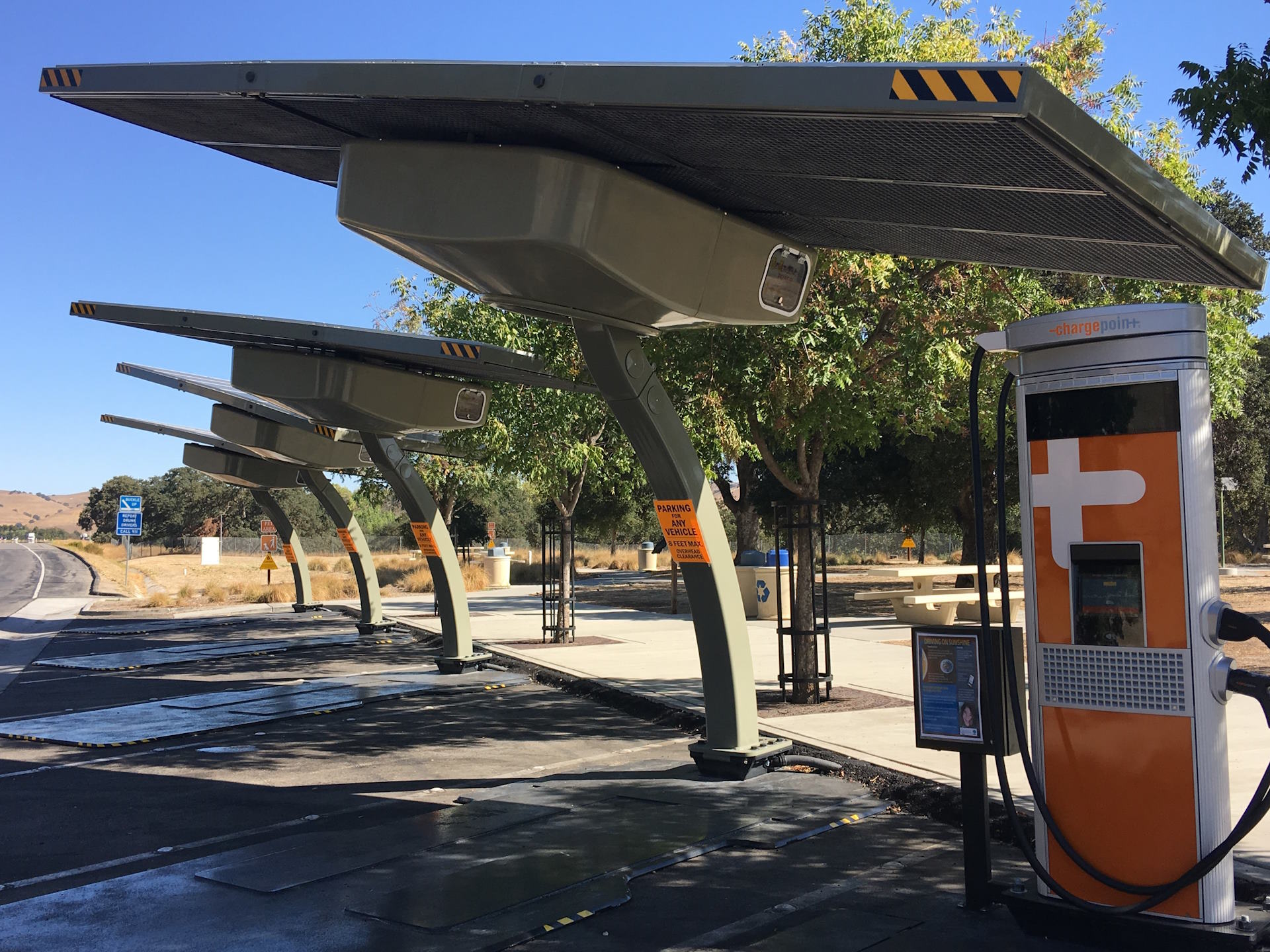
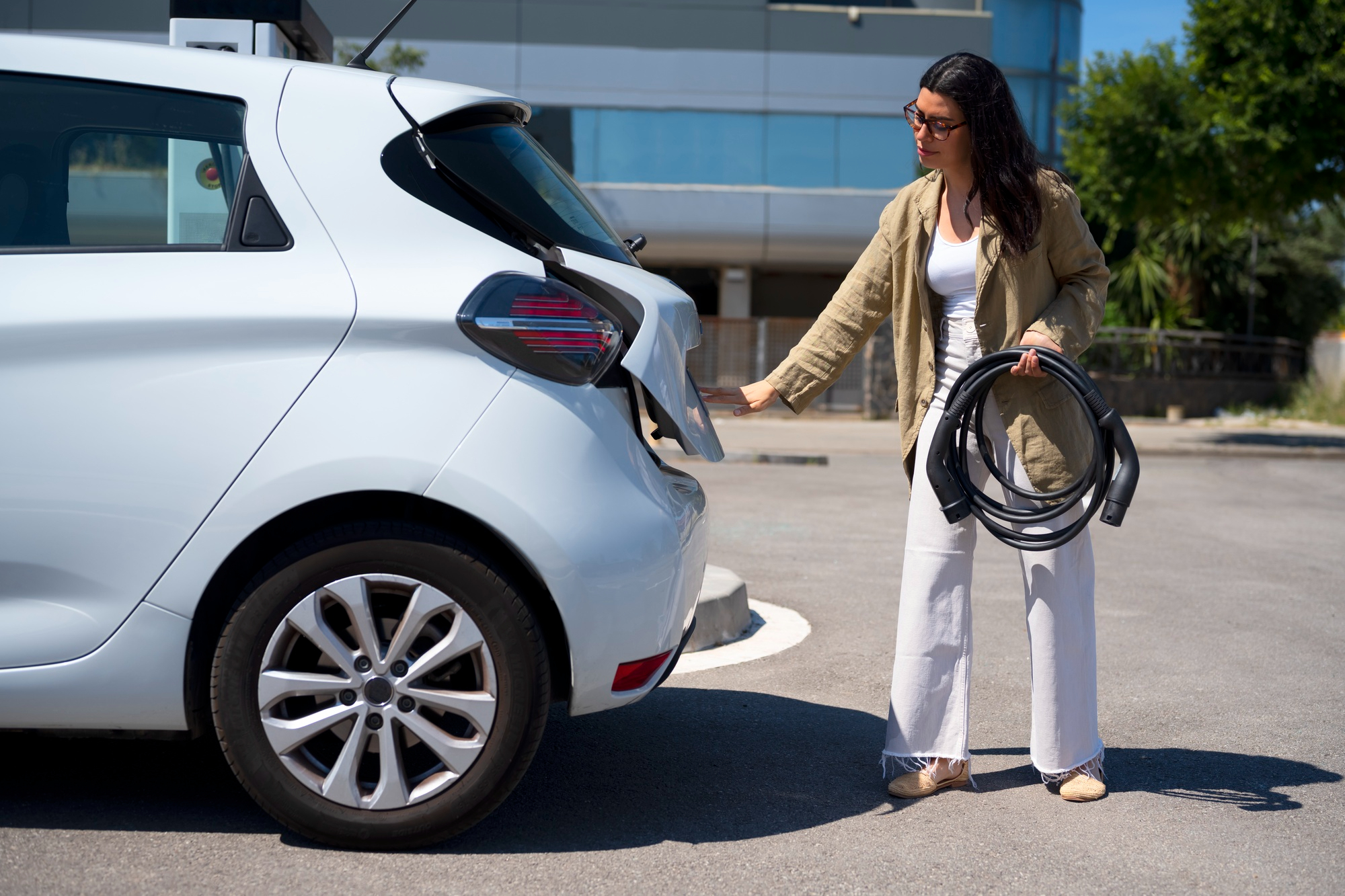
Somewhat more feasible solutions are the wireless charging systems for electric vehicles, such as that designed by ElectReon. These projects are more common and can now be seen in different parts of the world, such as on a 13-km experimental route in South Korea in 2013.
Autonomous cars cannot exist without smart roads
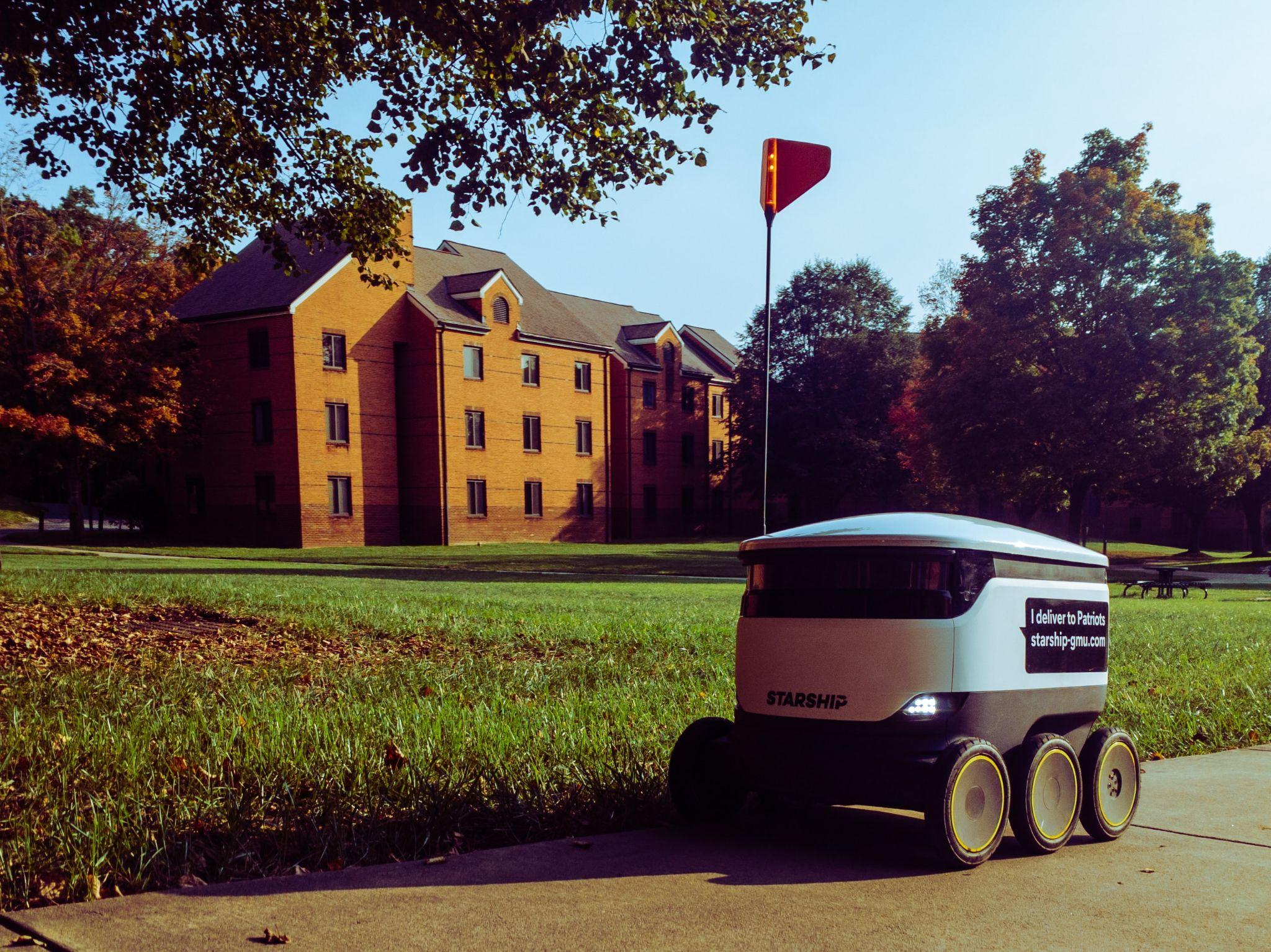
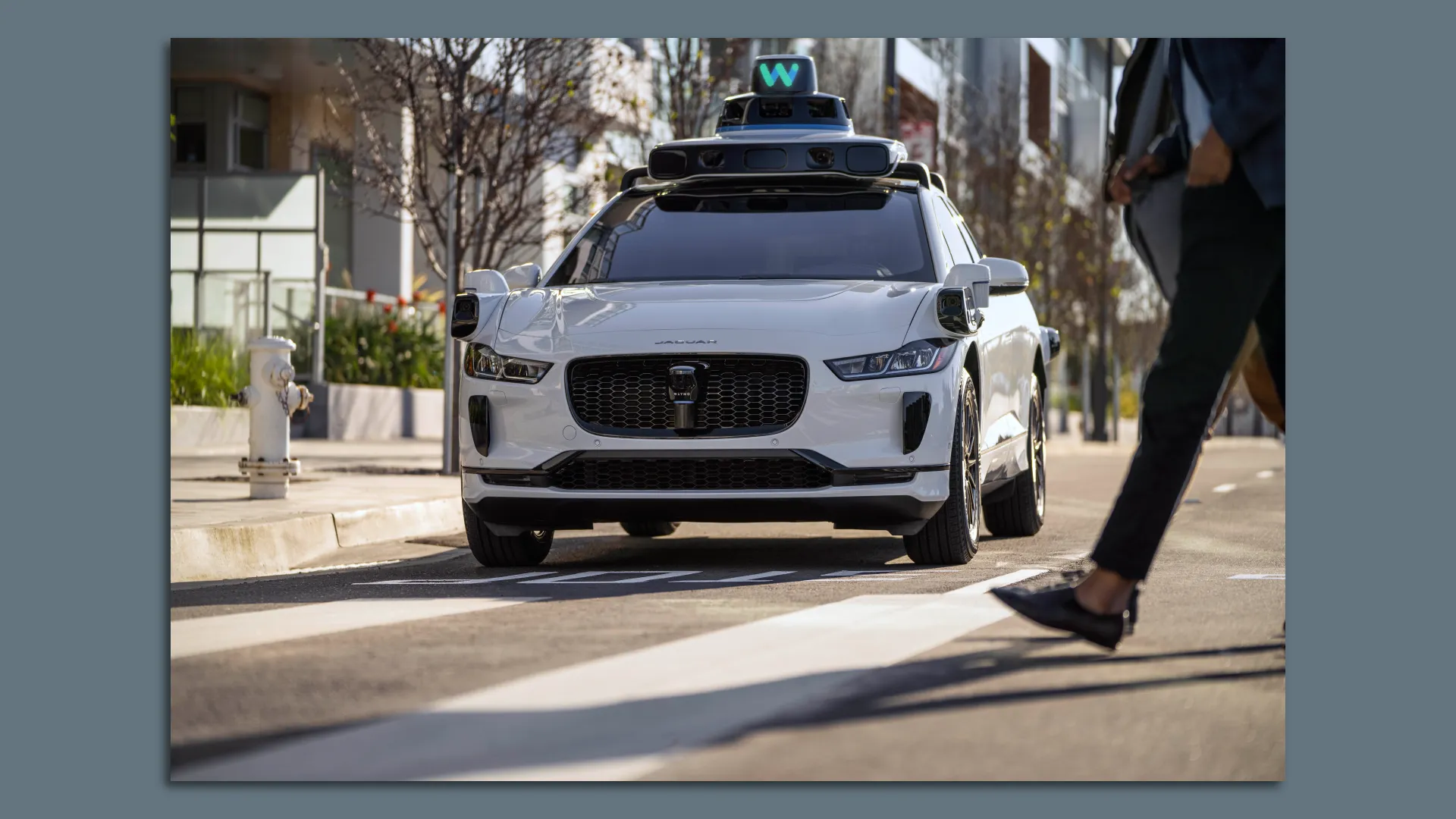
In order to achieve full automation, one of the requirements is undoubtedly having an IoT infrastructure that enables vehicle to infrastructure direct communications. Therefore, Smart Roads form an inextricable part of self-driving cars.
Advantages and some disadvantages of smart roads

Smart roads bring with them a whole host of advantages for sustainability and transport efficiency. Apart from those related to the aforementioned technologies, they will also improve road safety.
Together with autonomous vehicles, it is hoped that they will help to achieve the target of zero road traffic fatalities. This is the idea behind the ADAS systems, which are already a reality, or the development of smart road surfaces.
The main disadvantages include the high cost of most applications. In Europe, for example €421 million were invested in 69 mobility projects.
In the longer term, Smart roads share the challenges of other sectors, trying to reduce risks in terms of security to prevent cyberattacks or a possible dehumanization of roads. People must continue to be at the forefront of developments, even when these refer to road traffic.
Images | iStock/Igor Borisenko, iStock/Iaremenko, iStock/grinvalds