



Author | James Brasuell, editorial director, Planetizen
When California Governor Gavin Newsom signed AB 2907 into law on September 22, 2022—making it easier and cheaper to develop around transit stops by requiring less parking—it culminated a decade of political and legislative work. AB 2907 was only the latest in a string of laws proposed for similar effect, dating back to AB 710 in 2011, but it was the first to end up on the governor’s desk.
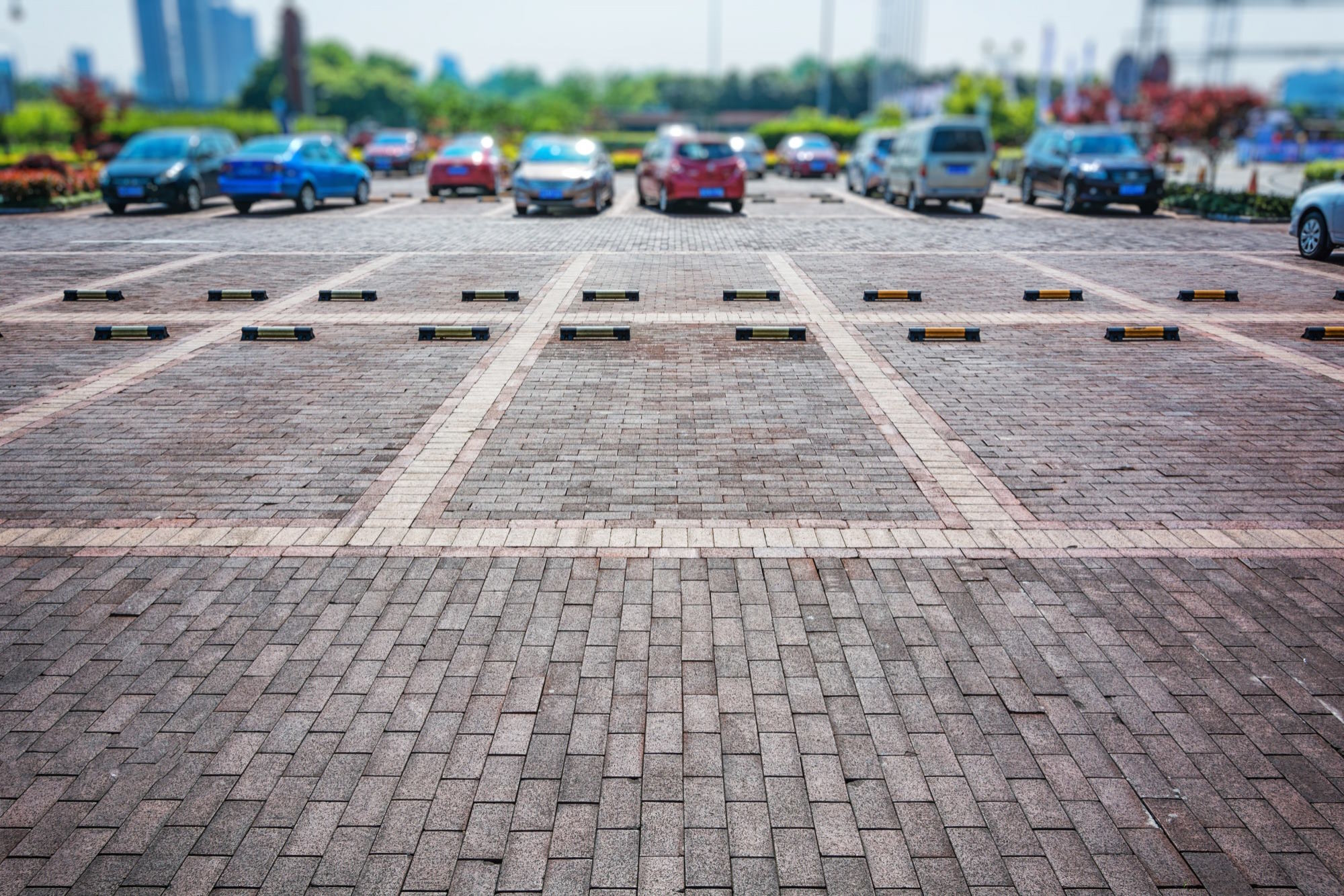
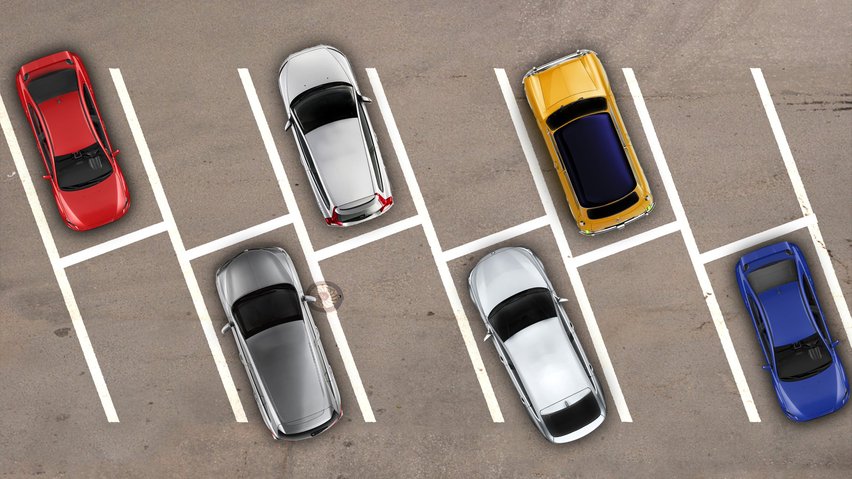
For decades, the local zoning codes of every U.S. city and county have included parking requirements. Parking requirements mandate a certain number of off-street parking spots with every new development, determined by a formula specific to the type of development. So, single-family detached residential developments are required to build a certain number of off-street parking lots, as are multi-family apartments, mixed-use buildings, with apartments above restaurants and retail on the ground floor, office buildings, warehouses, and so on.
The problem is that parking requirements, though ubiquitous, were set in the distant past without any scientific or rational method.
Donald Shoup, professor emeritus of urban planning at the University of California, Los Angeles, is credited as the first to draw attention to the irrational, arbitrary status quo of parking requirements in U.S. cities, with the 2005 book The High Cost of Free Parking. As pointed out by Shoup repeatedly over the years since the book was published, no scientific process preceded the decision to require 1.5 parking spaces for every three habitable rooms in a home, for example, nor the decision to require one parking space for every two potential occupants in an adult bookstore.
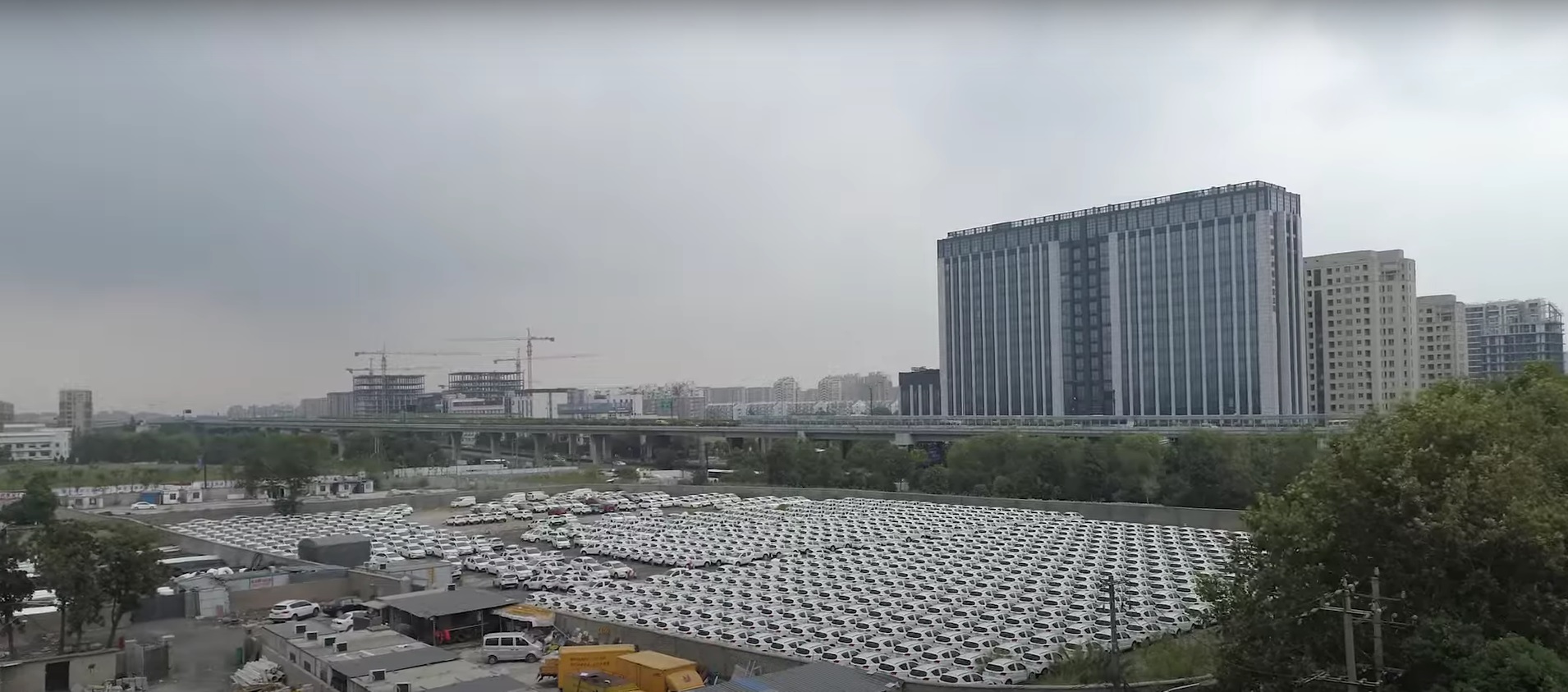
Most of the reasons to remove government regulation from the parking requirement equation don’t require the arrival of new technology to make immediate sense. For example, parking has been repeatedly shown induce vehicles miles traveled in automobiles. “If you build, they will come” is certainly true of parking and drivers. All that additional driving creates consequences like air pollution, climate change, traffic fatalities, and congestion. And then there’s the pesky little problem of how much it costs to build a parking spot (estimates range from $20,000 a space to $80,000 a space) and how that cost contributes to the skyrocketing costs of housing in the United States. The arbitrary obsession with parking has contributed to these outcomes. As Shoup has proven, while parking requirements were set largely by accident, they’ve been around long enough now that the consequences can no longer be excused.
The parking requirements status quo is now in full retreat, however, as parking reform has emerged in recent years as one of the most significant trends in urban planning, achieving reforms at neighborhood, city, and state levels all over the United States and the rest of the world. In the past year alone, Ann Arbor, Michigan eliminated off-street parking requirements for residential uses and a few other types of uses. Cincinnati, Ohio eliminated parking requirements for non-residential uses in the West End neighborhood. Both Richmond, Virginia and Dallas, Texas are considering their own package of parking reforms. In 2021, Berkeley, Toronto, San Diego, and Minneapolis. In 2020, the entire country of New Zealand prohibited minimum parking requirements.
Even with so much parking reform momentum in recent years, 2022 will enter the annals of planning history thanks to the actions of Oregon and California. The Oregon Land Conservation and Development Commission in July approved new rules that reduce or remove minimum parking requirements in 53 jurisdictions around the state (all located in the state’s eight largest metro areas). In California, AB 2097 eliminates parking requirements in new residential and commercial developments within a half-mile of a transit stop all over the state.
Donald Shoup teaches two courses on parking reforms, available by subscription to Planetizen Courses: “Parking Benefit Districts” and “The High Cost of Minimum Parking Requirements.” A third course, “Pricing Curb Parking” will be published in October 2022.