



Table of Contents
Author | Jaime RamosWe are used to seeing how car manufacturers present futuristic prototypes equipped with latest connectivity features and autonomous driving. What is not so common is to them doing this at an urban planning level.This is what Toyota is trying to do with Woven City. A living laboratory in which to experiment, from scratch, with latest technologies in terms of urban planning, mobility, energy management, connectivity, robotics and space optimisation. A project that is similar to the one already carried out with Toronto’s Alphabet city.
What made Toyota decide to create a smart city?
Toyota’s Woven City goes one step further, in terms of space. Because, while Google’s Smart City in Toronto occupies around four hectares, Woven City covers an area of 70 hectares. The idea is to choose a neighbourhood that can house a population of around 2,000 residents located at the foot of Mount Fuji.The time and place are not causal. The manufacturer officially presented its project during the last CES in Las Vegas, the largest technology trade show in the world. This was used as the first showcase before its inauguration at the Tokyo 2020 Olympics.
Woven City: towards the total integration of smart technologies
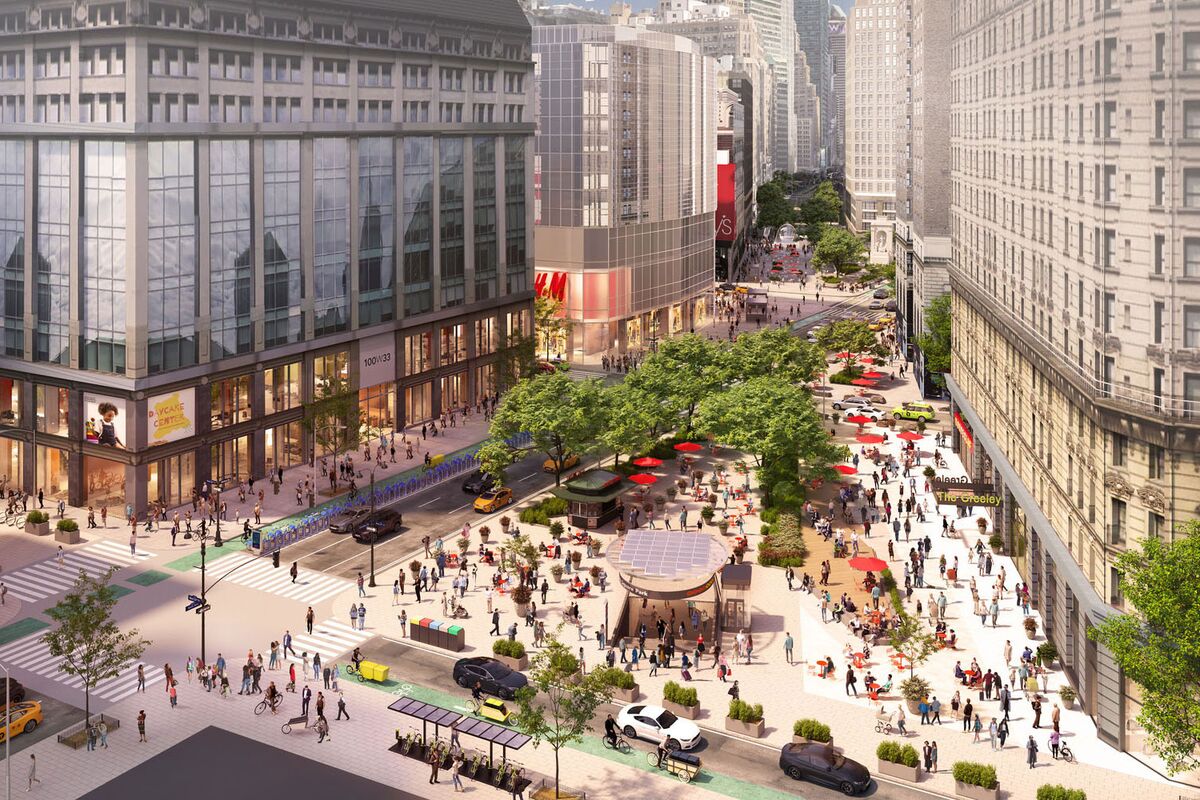
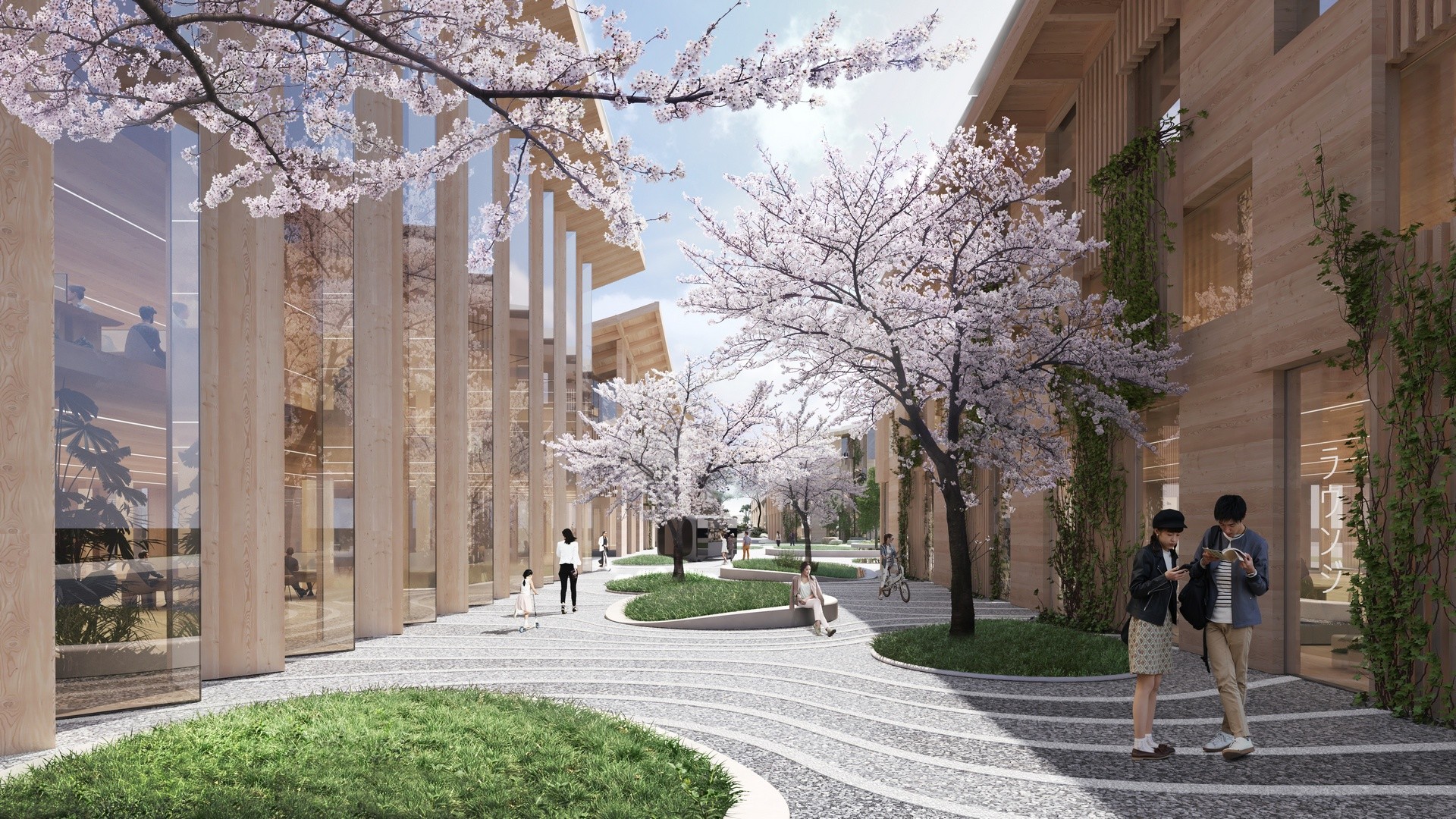
https://youtu.be/BONZLgt1G2UThe plan with Woven City includes designing three types of streets (a fast one for vehicles, a mixed one and another one for personal mobility) in a totally sustainable environment. Pavements are adorned with buildings made mostly of wood, with rooftops covered with solar panels with an energy production that will be combined with energy from hydrogen fuel cells.Toyota’s city also presents smart cities divided into three types, by type of mobility, including autochthonous plants and with high levels of automation in terms of public services, consolidated with the use of artificial intelligence via robots and autonomous vehicles.The urban space has been designed to promote the social aspects of a city’s main square. “Dirty jobs” such as the distribution of products and the most robotic form of transport will be underground, in the core of the city.To design it, Toyota hired the services of the Danish architect Bjarke Ingels, famous for projects such as the new World Trade Center in New York or Google’s headquarters, carried out by his studio BIG.
What can we expect from Woven City?
Official estimates suggest that Woven City will be inhabited by around 2021, which will mark the start of an experimental phase through the experience of the first inhabitants. However, it is impossible to disconnect this conceptual city from its context.Tokyo’s Games are serving as the incentive for the advanced Japanese industry. Unsurprisingly, everything this year is aimed at showing the world the miracles of its society. Woven City forms part of this strategy designed to show off Japan’s technological leadership more than meeting the needs of the population and it will be difficult to ignore this promotional aura.A good example of these intentions is the star role of hydrogen fuel cells in the project. The use of this fuel is somewhat unfeasible in today’s world. However, Japan and, specifically, Toyota, have been firmly committed to hydrogen-related technologies for years. A trump card that may diminish the credibility of this city of the future.Nevertheless, we will have to wait to see how the project unfolds. The moment of truth will come once the Games have been held.Images | Toyota, iStock/Torsakarin